Visit Worldwide Topsites
Showing posts with label Sunspots. Show all posts

Friday, 15 May 2015

Spots on the Sun filmed through astronomical telescope.


These are images I failed to post them where we see a chain of spots on the Sun which were filmed with the video camera attached to the telescope, and these images are video captures.
Solar activity has been quite intense this day. I did not know that the Sun will be crowded by spots, I simply took at random the telescope for observations.


What we see in the pictures are spots named 1514 and 1515, that were emitted gamma rays, which are the most powerful type.


Optics: CelestronC8 "-newtonian telescope, plossl 20 mm, 2x Barlow
Mount: CG5 (EQ5)
Device: Sony CX130
Filter: yes
Date: July 03,2012
Location: Baia Mare, Romania
Processing and editing: Sony Vegas 10


Sunday, 19 May 2013

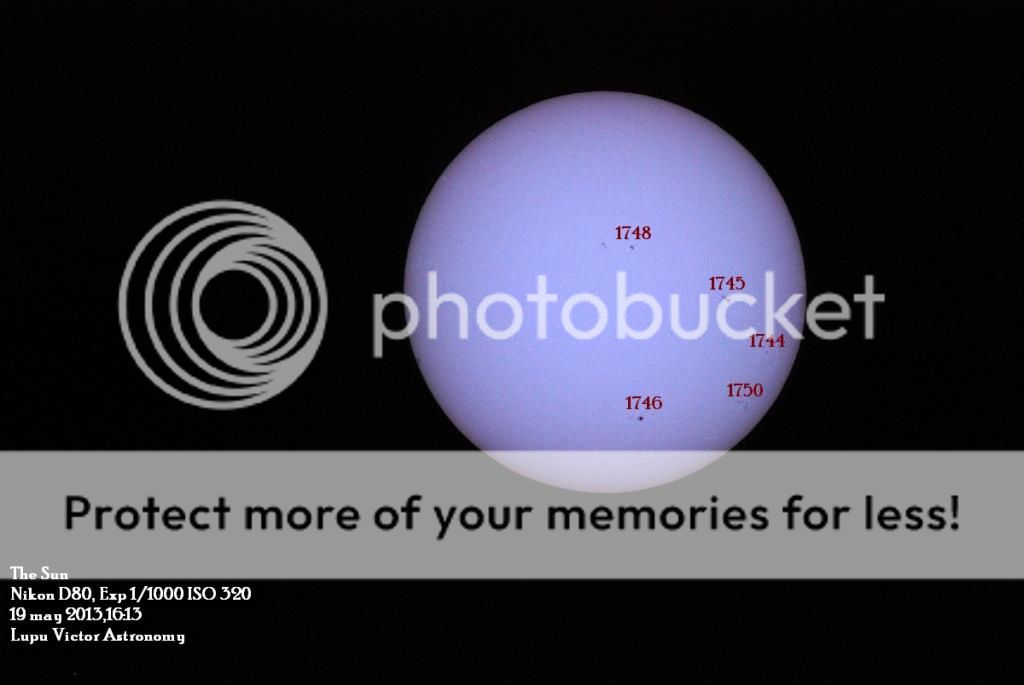
The Sun Today Astronomical telescope pictures May 19, 2013

These are the Sun's spots by astronomical telescope as it looks today, May 19, 2013.

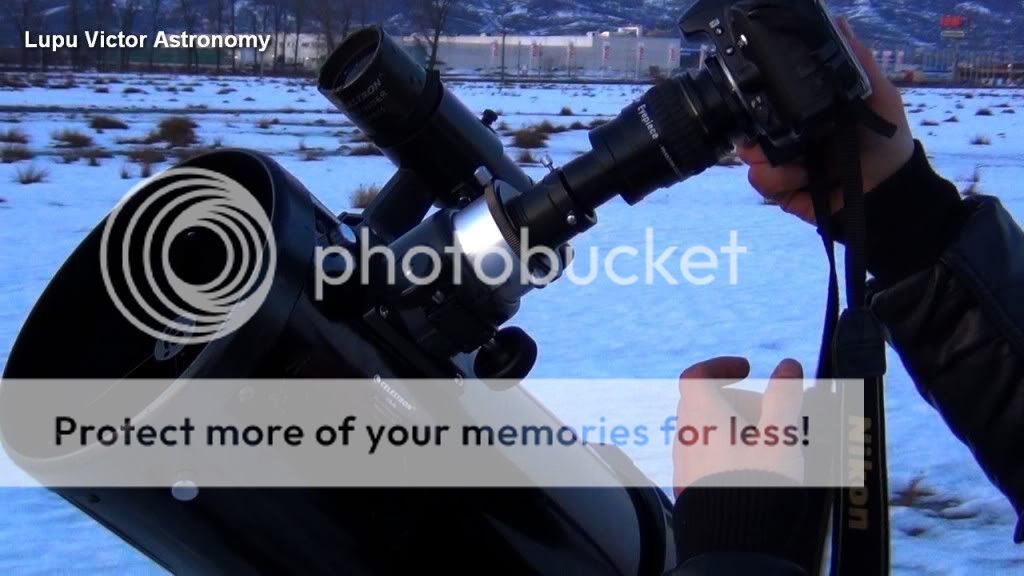
I have used the Nikon D80 DSLR camera, without eyepiece.

The biggest spot, 1745, is situated on the eastern sun disc now. Next in size, is 1746, located at South. Other spots are smaller and called 1744, 1748 and 1750.


Telescope: 8 inch Celestron Newtonian
Mount C5/EQ5
Camera: Nikon D80 ring T
Eyepiece: no
Filter: solar
Date: May 19, 2013
Time: 4:00 p.m.
Location: Baia Mare, Romania


Wednesday, 24 October 2012

The Sun rotates on its axis? Video by telescope.

Yes indeed, the Sun rotates on its axis once approximately 27 days. This rotation was first detected by observing sunspots movement. Sun's rotation axis is tilted about 25.7 degrees from the axis of Earth's orbit and thus we see more of the Sun's north pole in September of each year, and over the Sun's south pole in March.

Since the Sun is a ball of gas, it does not have to rotate rigidly as do solid planets and satellites. In fact, the equatorial regions of the Sun rotates faster (taking them only about 24 days) than the polar regions (which rotate once in more than 30 days). The source of this "differential revolution" is an area of ​​actual research in solar astronomy.


First video is made without the telescope, only the video camera Sony CX130 was used, on 4 june 2012.

Video: Victor Lupu
Optics on video 2: CelestronC8 "-Newtonian telescope, plossl 20mm,
Mount: CG5 (EQ5)
Device: Sony CX-130
Video mode: Full HD progressive 1920x1080
Filter: no
Date: 09/june/2012
Location: Baia Mare, Romania
Processing and editing: Sony Vegas 10

Sunday, 2 September 2012

Today's Sun through astronomical telescope Video and images

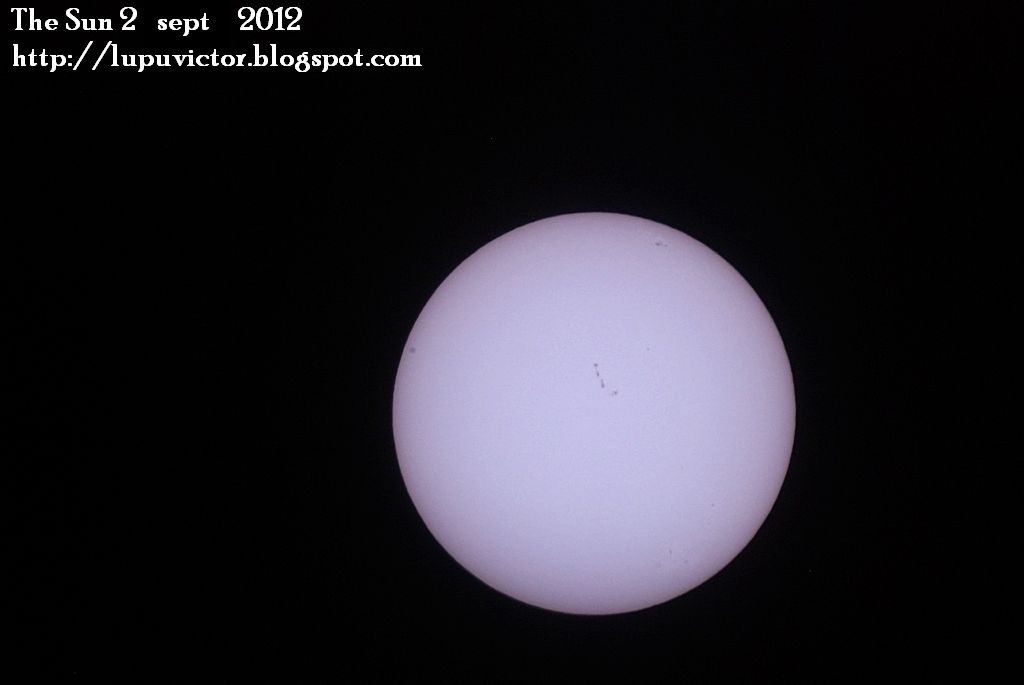
Today's Sun through astronomical telescope.


Date: September 2, 2012 time: 10:13
Telescope: Celestron 8 "Newtonian reflector
Eyepiece: no (ring T)
Camera: Nikon D80
Exposure: 1/350 sec manual
Maximum aperture: F1
ISO: 500


The Sun spots 2 august 2012
The Sun is upsidedown in the video, because it is made through a telescope.
Video: Victor Lupu
Optics: CelestronC8 "-Newtonian telescope, plossl 20mm, 2x Barlow
Mount: CG5 (EQ5)
Device: Sony CX-130
Video mode: Full HD progressive 1920x1080
Filter: no
Date: 02/09/2012
Location: Baia Mare, Romania
Processing and editing: Sony Vegas 10

Tuesday, 15 May 2012

Astronomy Registax Spot on the Sun filmed without telescope


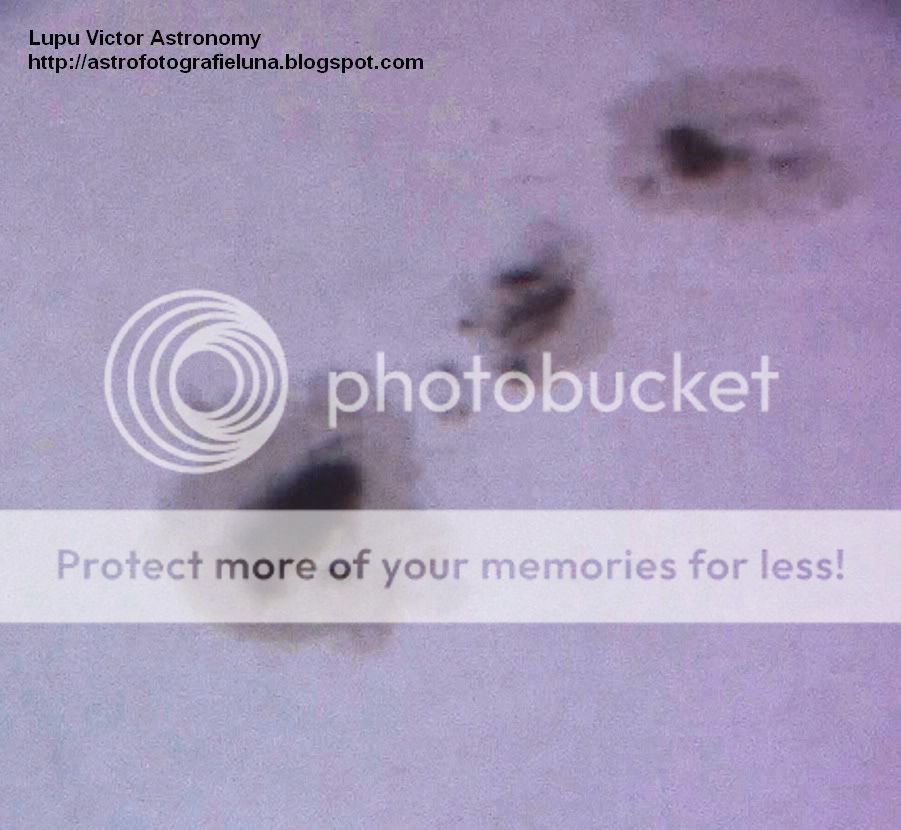
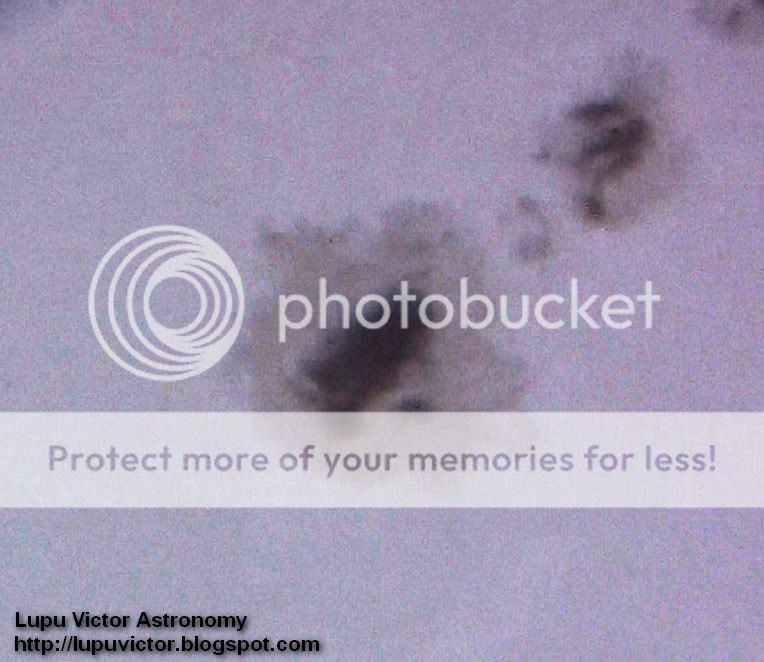
A new active region (AR11476) appeared in early May 2012. This produced CME (coronal mass ejection) and on May, 5 it began to release small eruptions M-Class, and a lot of C-Class. Between 5 and May 6, it produced four solar eruptions M1.

 AR11476 spot the Sun, can be seen without a telescope, only with an optical camera that zooms more. The solar flare reached 5.7 M Class, at 4:18 UTC on May 10, 2012. It is easily visible with the naked eye, with a solar filter. It will be interesting to study the morphology of the spots in the coming days, for those who pursue it consistently.

Astronomy without telescope
Video: Gabriel Chiveri
Optical: 30x optical zoom SonyCX130 the
Mount: tripod
Filter: Yes, solar
Date: 12/05/2012
Location: Baia Mare, Romania
Edit: Photo above: Registax 5, Photo below: Registax 6 (of 101 frames)


Below is the video from wich I processed the images.


Sunday, 1 April 2012

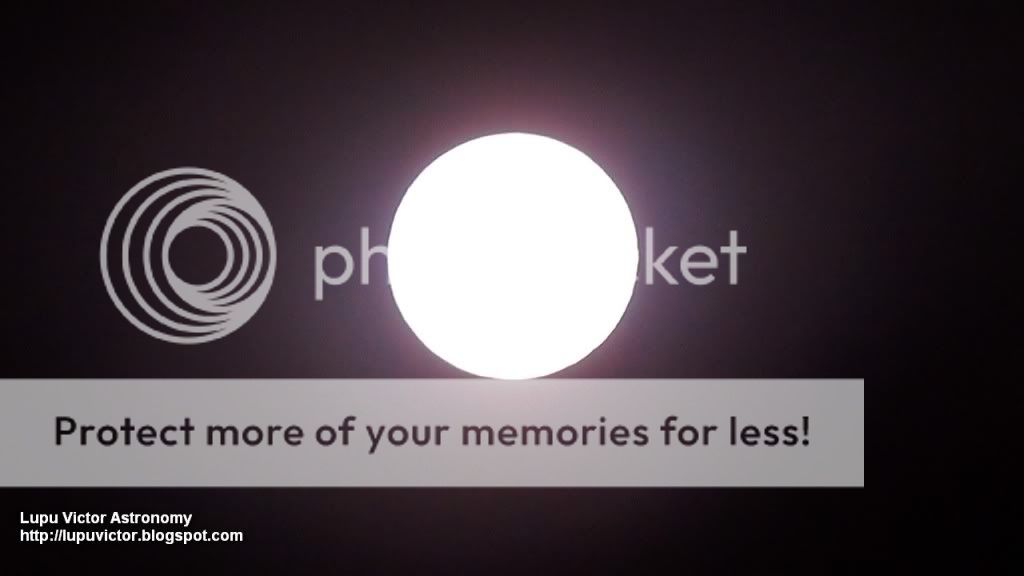
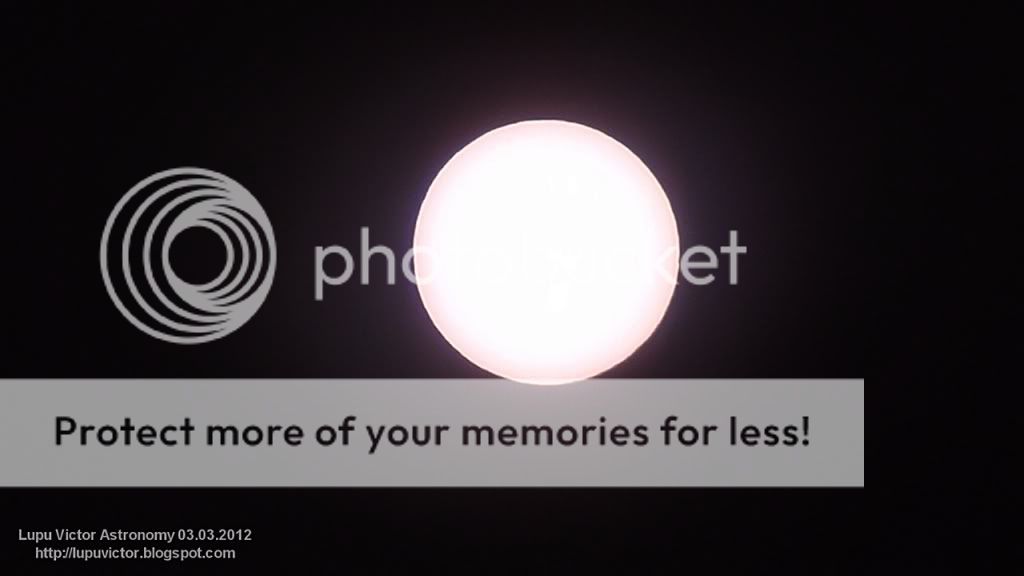
Astronomy without telescope the Sun through video camera and solar filter.


It seems that nowadays, you can make astronomical observations without astronomical telescopes. I shot the Sun with the Sony CX130 camera and a solar filter from Baaderat 30x optical zoom.
 You can imagine for example how the Moon looks like at this zoom because the Moon is the same size as the Sun on our sky. Otherwise would not happen perfect eclipses of the SunI shot these images on my window from home, with the video camera mounted on a tripod. In that time, Sun had not an intense activity, and only a Sunspot northeastand also one very close to the western extreme edge of the disc were seen.
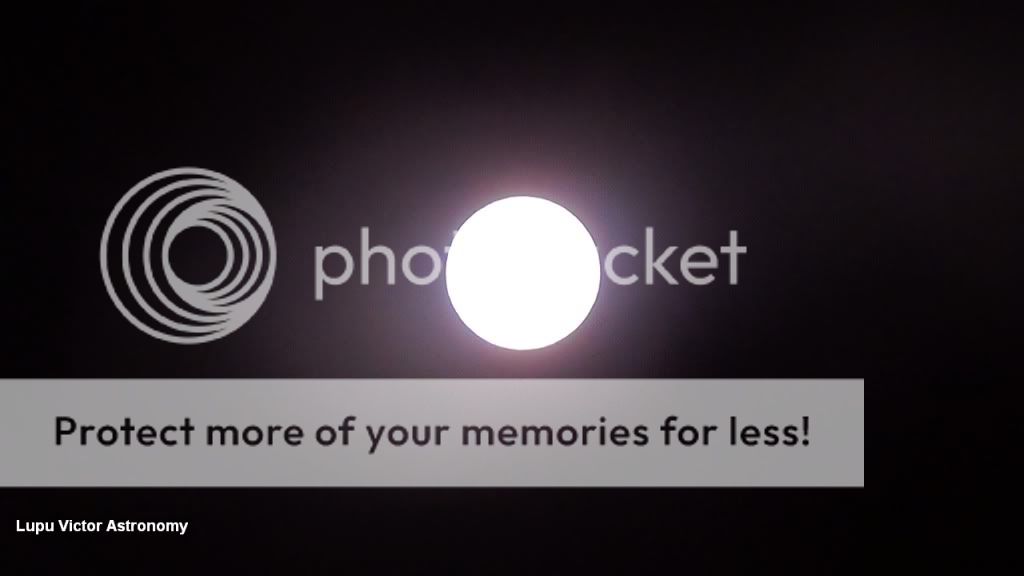
 In the photos where the Sun is very bright, the camera's sensor was set to 'auto'. The other pictures have different exposures to better observe the solar surface. If the exposure would not have been adjusted, that sun spot could not be observed.

Video: Victor Lupu
Optics: Without telescope
Device: Sony CX130
Filter: yes
Date: 03/03/2012
Location: Baia Mare, Romania
Processing and Editing: Sony Vegas 10 catches with Splash player and Sony Vegas 10

Thursday, 1 March 2012

Sunspots Video and pictures through astronomical telescope


These are a few sunspots through my telescope. Are video captures from the video below. The telescope was mounted on my balcony, and I used a solar filter.

Photographer: Victor Lupu
Optical Telescope Celestron C8-inch Newtonian plossl 20mm, 2x Barlow
Mount: CG5 (EQ5)
Device: Sony CX105 to 8x optical zoom
Total Magnification: 800x
Filter: solar
Date: 09/25/2011
Location: Baia Mare, Romania
Processing: FastStone Image Viewer


Video: Victor Lupu
Optics: CelestronC8 "-Newtonian telescope, plossl20mm, 2x Barlow
Mount: CG5 (EQ5)
Device: SonyCX105 at 7x optical zoom
Total Magnification: 700x
Filter: no
Date: 25/09/2011
Location: Baia Mare, Romania
Processing and editing: Sony Vegas 10

Tuesday, 18 October 2011

Video-Spots on the Sun through my 8" (203mm) telescope


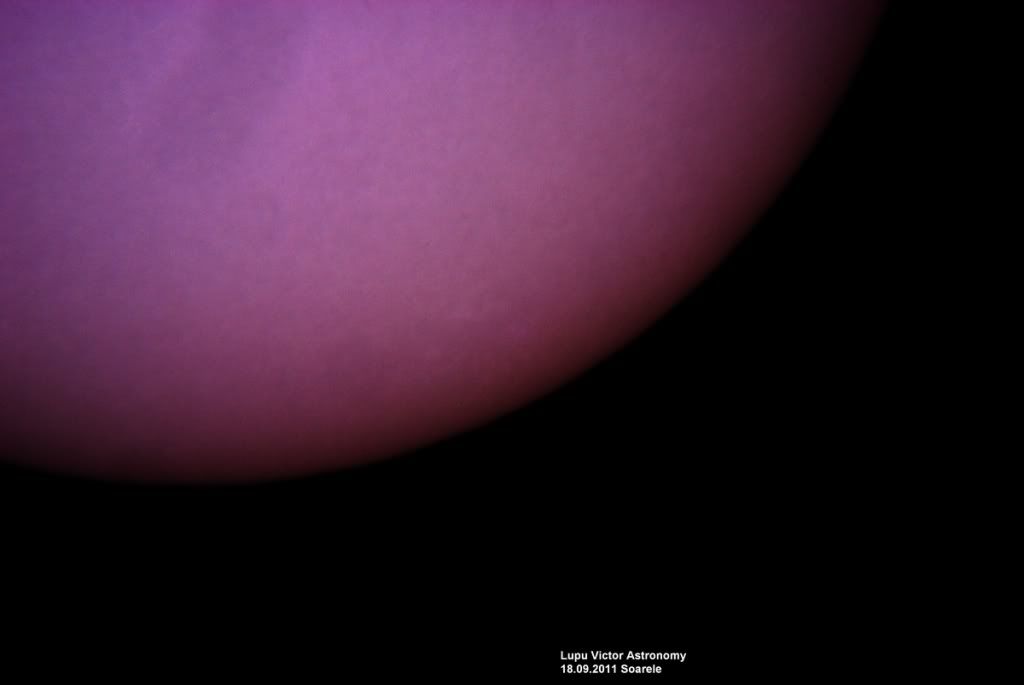
This is a video of spots on the Sun. I focused on the sunspot called 1302, This is how this huge X-class spot looks in my 8" newtonian telescope at 700x .

Sunspot 1302 has already produced two X explosions (X1.4 on 22 September and X1.9 on 24 September). This video is made four days before the eruption, on 18 September 2011.

Each of these black spots are larger than the Earth, and the entire active region covers more than 100,000 km from end to end. Sunspot magnetic field is present in sub X-class, but could grow in larger eruptions, and the danger is high, especially because the sunspots continue to turn to the Earth.

Note: Never watch the Sun with the naked eye, or any other optical aid! This can permanently damage your seeing! Sun should be viewed only using specialized equipment.


Video: Victor Lupu
Name: Sunspot 1302
Optics: Celestron C8 "-Newtonian telescope, plossl 20mm, 2x Barlow
Mount: CG5 (EQ5)
Device: Sony CX105 at 7x optical zoom
Total Magnification: 700x
Resolution: 1920x1080
Bitrate: 16000, FPS: 50
Filter: Solar filter
Date:18.09.2011
Location: Baia Mare, Romania
Edit: Video stabilized in Sony Vegas

Sunday, 16 October 2011

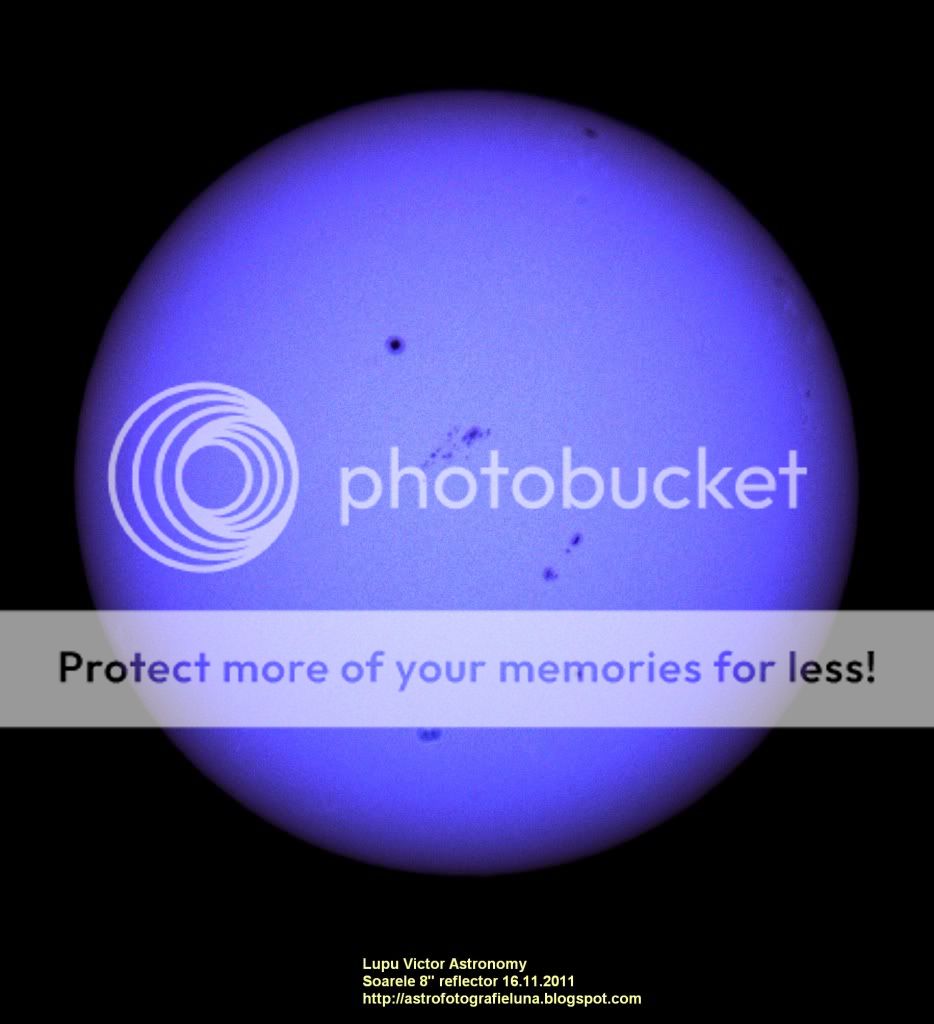
Spots on the Sun with DSLR Nikon D80 in October

I decided to take the telescope on the balcony in the morning to "hunt" the Sun. I've cleanned the Hyperion eyepiece, Nikon D80 lens and I set the telescope toward the Sun. I've also filmed the Sun with my Sony CX105 camcorder but I'll post later what I shot and captured. That requires more processing time.
The photos below were NEF format in original, but after editing I made them JPEG because where I upload photos on the Internet, ie Photobucket, I have limited storage per month, and even if it was unlimited storage, this site does not show pictures in original format anyway, but are reduced in resolution.
Naturally the first three photos are the most successful because it represents several photos into oneprocessed in Registax.


          I used several focus on the telescope and the Nikon DSLR, because as you look through DSLR's LCD, which is small, you can not appreciate if the picture is clear or not.So it's better to work on the focus on the telescope while shooting, and then you can see the results to your PC.
You can then delete the blurred photos, but if you always shoot at the same focus, you risk to have only photos of a kind: clear or unclear.
 I have to correct a mistake: I wrote in photos 16/11/2011. We are in November and then it had to be written: 16/10/2011.

In the pictures above: The Sun in Registax (9 files processed), and then edited in FastStone Image Viewer.      ISO: 100, Exposure 1 / 80
Up: The Sun: ISO 100, exposure 1 / 60                                                                                                        edited in FastStone
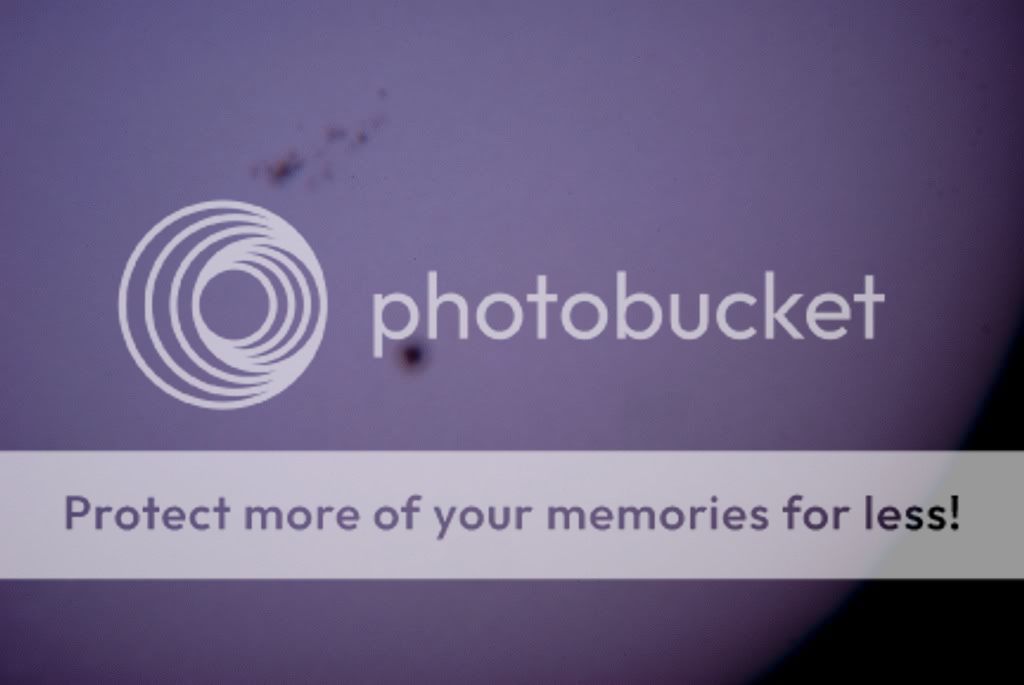
In the photo above I highlighted spots on the Sun.                                                                                  Edited in: FastStone
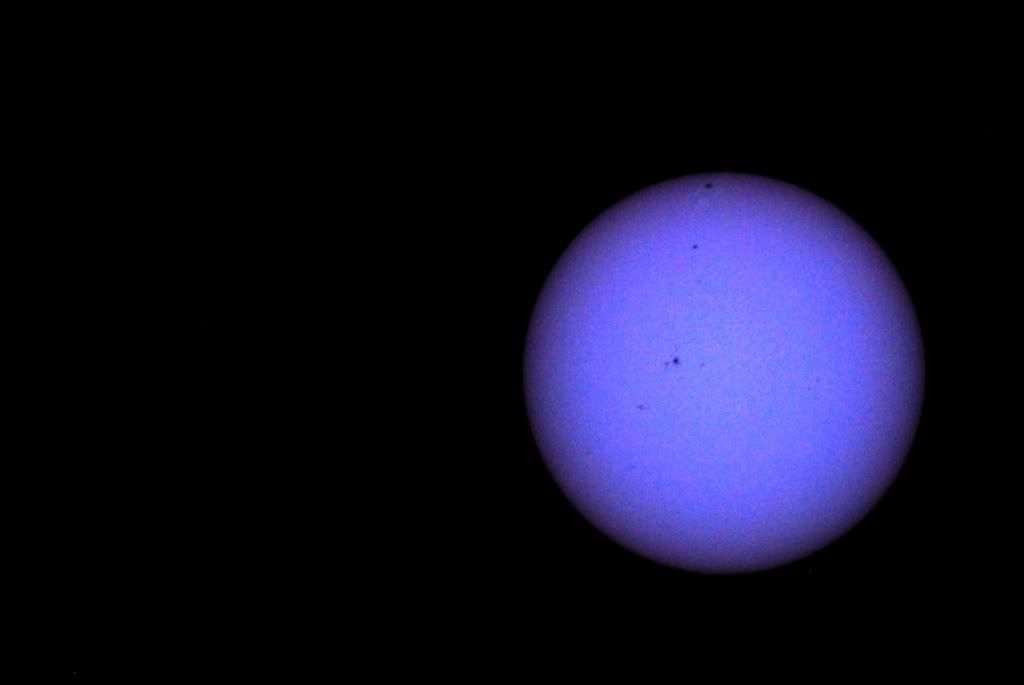
Up:The Sun: ISO 400, exposure 1 / 125,                                                                                                     Edited in FastStone
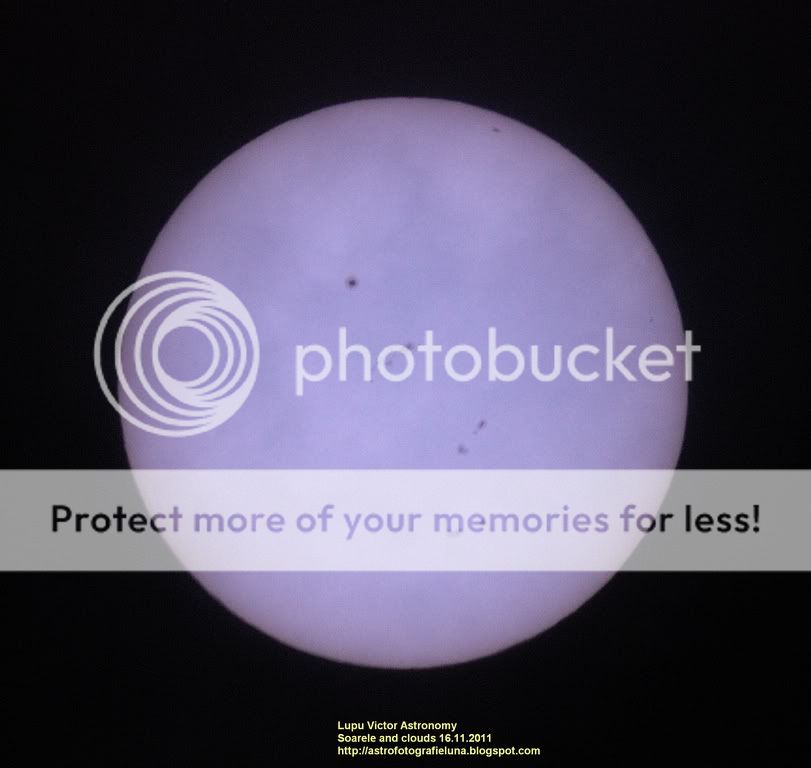
In the picture above thin clouds pass in front of the Sun, so stay calm as the Sun is not with measles.                                
In all the images above: NameSpots on the Sun
Location: Baia Mare, Romania
Date: 16/10/2011 Time: 10:04 to 10:34
Telescope: Celestron 8" Newtonian reflector
Camera: Nikon D80 DSLR
Ocular: no.
Filter: Baader solar filter AstroSolar
Camera: Nikon D80


Up: the Sun: ISO 400, exposure 1 / 20                                                                                                       edited in FastStone
Up: the Sun: ISO 400, exposure 1 / 15                                                                                                        edited in FastStone
Up: the Sun: ISO 400, exposure 1 / 13                                                                                                        edited in FastStone
Name: PeSpots on the Sun with Hyperion 10 mm
Location: Baia Mare, Romania
Date: 16/10/2011 Time: 10:40 to 10:57
Telescope: Celestron 8 " Newtonian reflector
Eyepiece: Hiperyon 10mm.
Camera: Nikon D80 DSLR
Filter: Baader solar filter AstroSolar
Eyepiece adapter: 1.25 "and T rings for Nikon and Hyperion
Edit: FastStone
Some images are croped, sharpness, contrast, gamma, levels adjusted.

Sunday, 18 September 2011

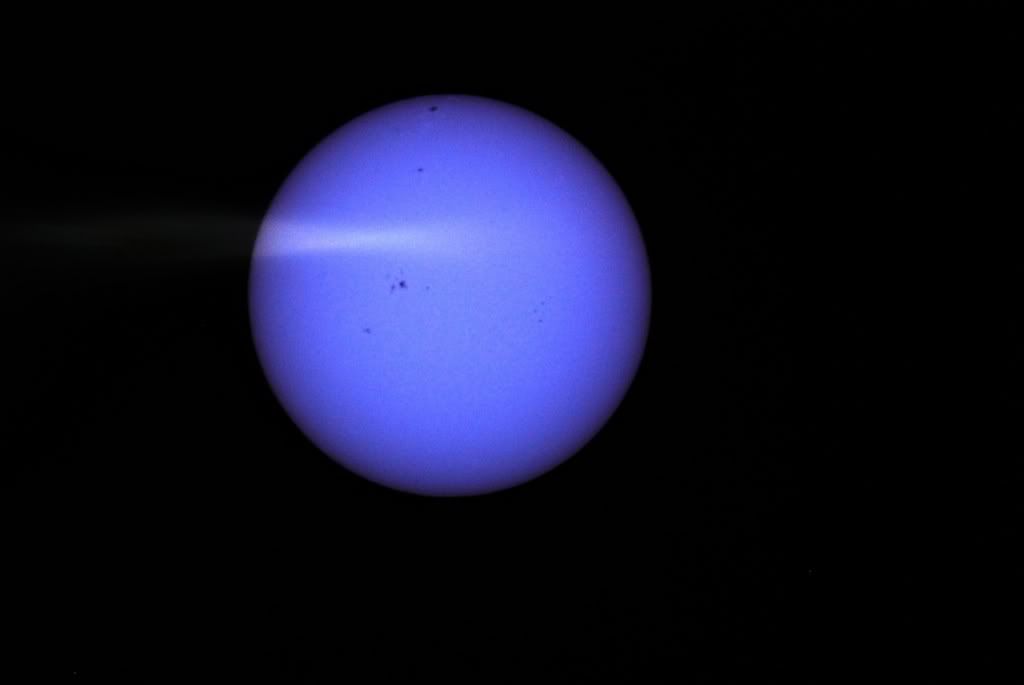
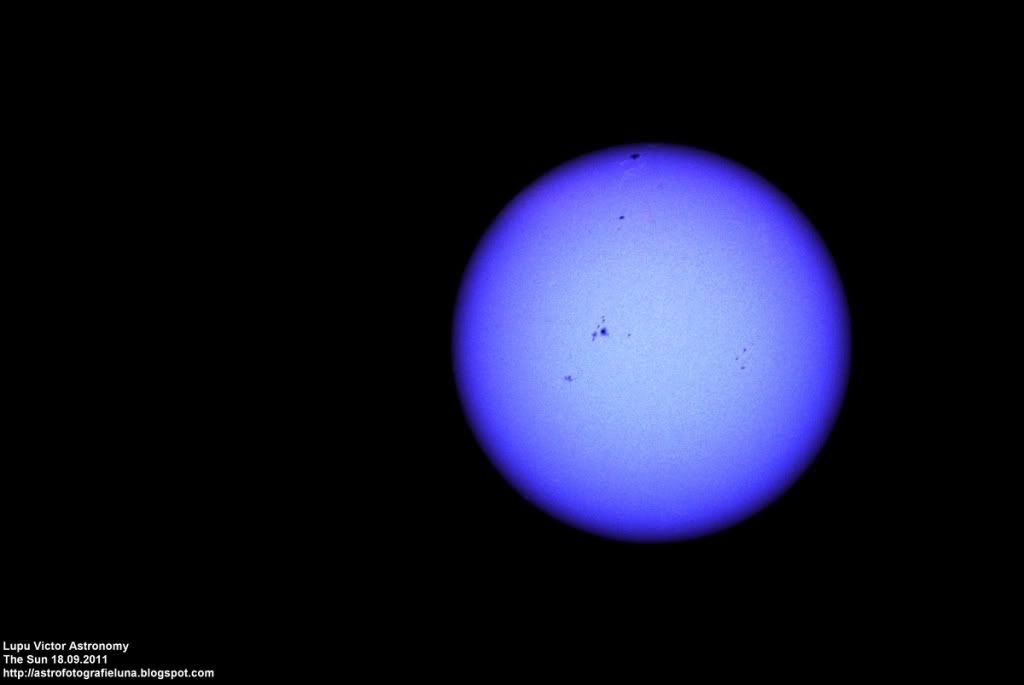
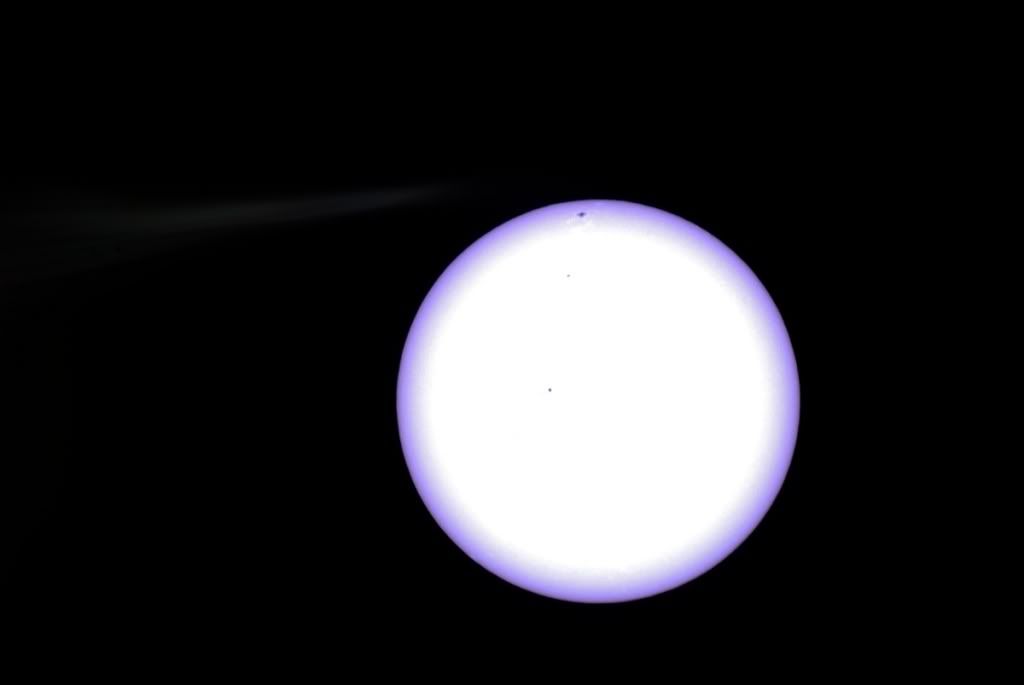
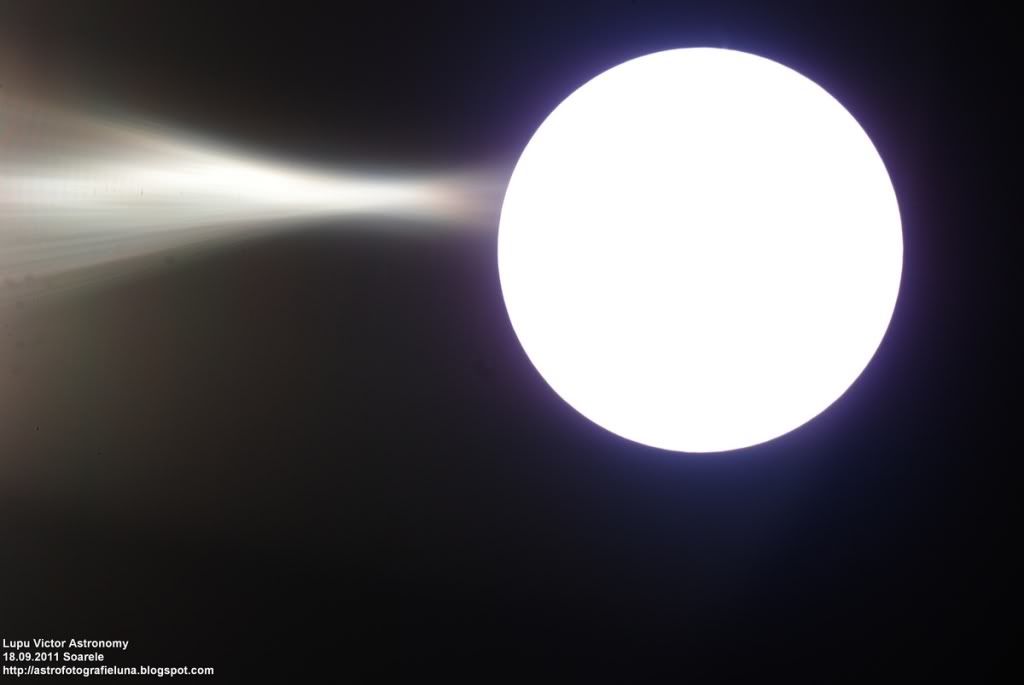
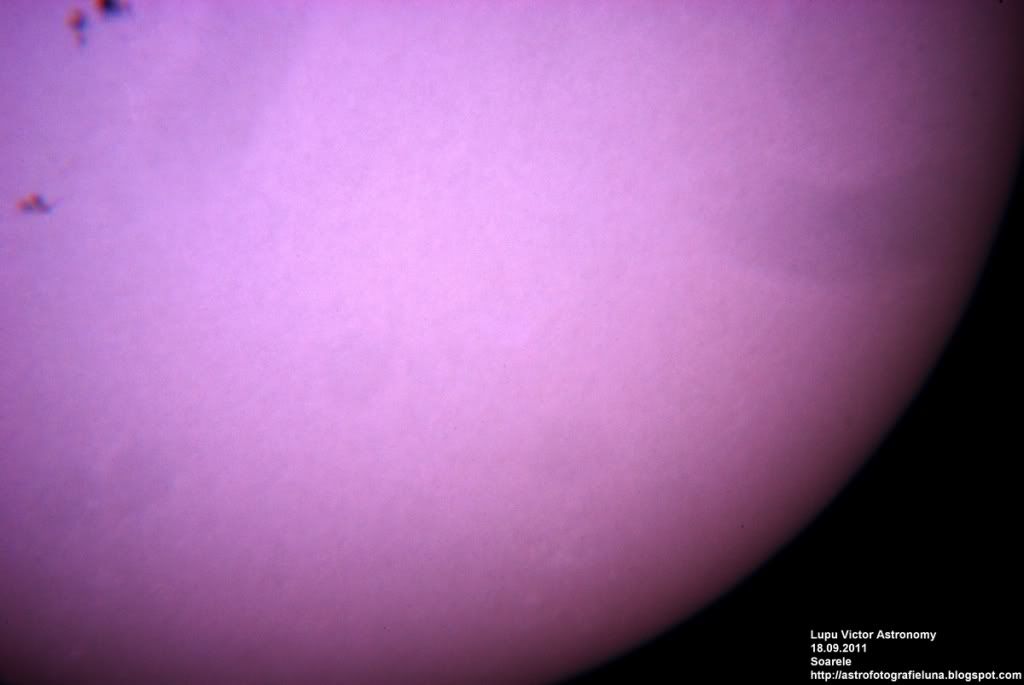
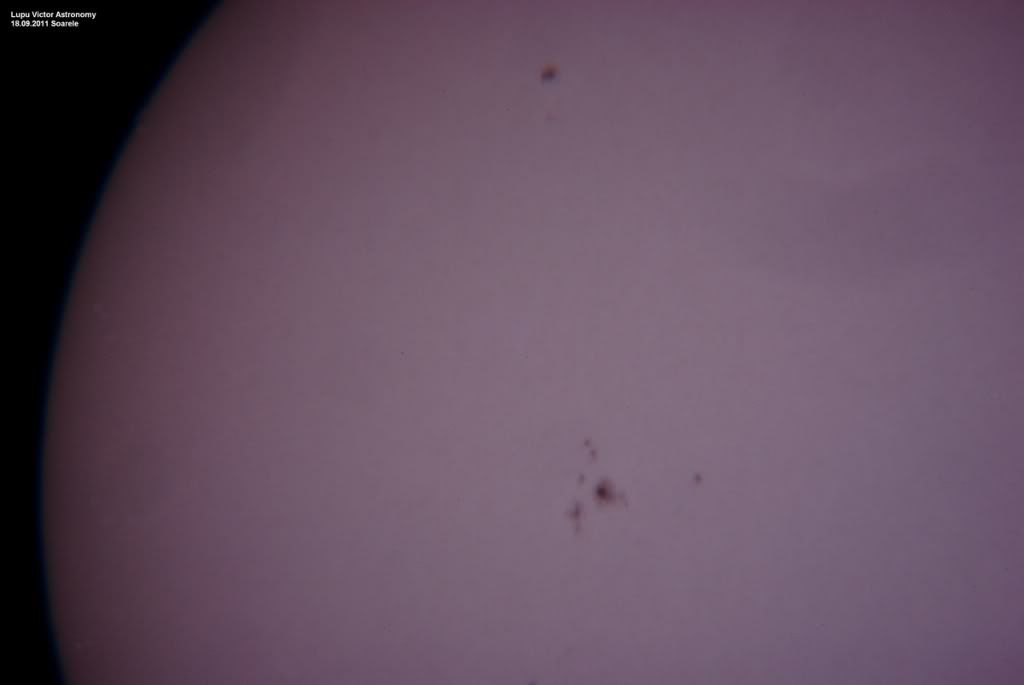
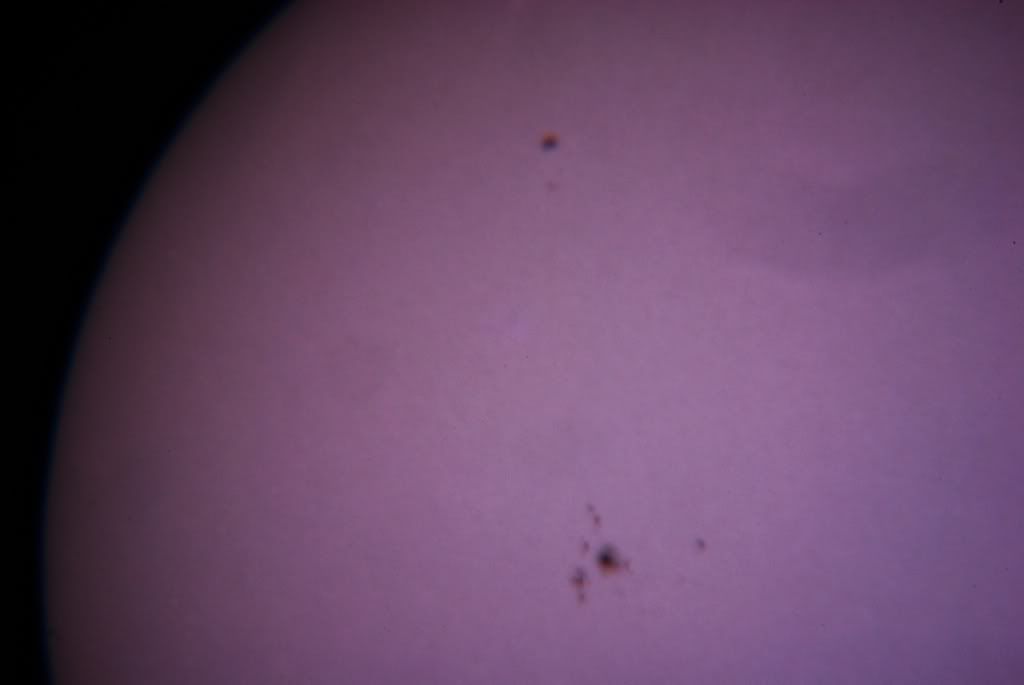
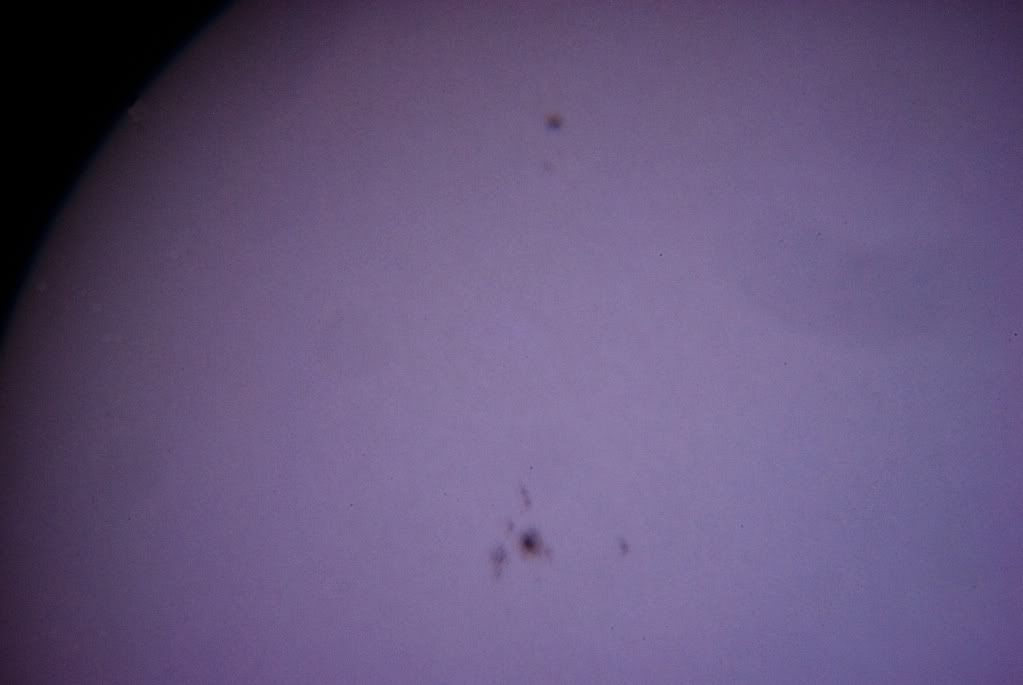
Spots on the Sun-telescope DSLR Nikon D80 images

File NameSunspots
Location: Baia Mare, Romania
Date: 18/09/2011 Time: 09:08:32
Telescope: Celestron 8" Newtonian reflector
Eyepiece: No eyepiece
Camera: Nikon D80
Exposure time: 1 / 2000 sec Manual
Max Aperture: F1
ISO: 1000
Edit: FastStone viewer
Date: 18/09/2011 Time: 09:07:32
Exposure time: 1 / 800 sec manual
ISO: 1000
Edit: FastStone viewer
The three photos above are edited differently, the latter being the original. At first photo I worked with the levels, curves and sharp (sharpness) and the on the second I dropped gamma and increased sharp.
Date: 18/09/2011 Time: 09:04:58
Exposure time: 1 / 250 sec manual
ISO: 400
Edit: FastStone viewer
Date: 18/09/2011 Time: 09:04:34
Exposure time: 1 / 50 sec manual
ISO: 400
Edit: FastStone image viewer
Date: 18/09/2011 Time: 09:04:04
Exposure time: 1 / 20 sec manual
ISO: 400
Edit: FastStone viewer


File Name: Sunspots
Location: Baia Mare, Romania
Date: 18/09/2011 Time: 09:02:32
Telescope: Celestron 8 "Newtonian reflector
Eyepiece: 10mm Hiperyon
Camera: Nikon D80
Exposure time: 1 / 20 sec manual
Max Aperture: F1
ISO: 400
Edit: FastStone viewer
Date: 18/09/2011 Time: 09:01:52
Exposure time: 1 / 20 sec manual
Max Aperture: F1
ISO: 400
Edit: FastStone image viewer
Date: 18/09/2011 Time: 09:00:16
Exposure time: 1 / 25 sec manual
Max Aperture: F1
ISO: 400
Edit: FastStone image viewer
Date: 18/09/2011 Time: 08:55:52
Exposure time: 1 / 60 second hand
Max Aperture: F1
ISO: 500
Edit: FastStone viewer
Date: 18/09/2011 Time: 09:02:16
Exposure time: 1 / 20 sec manual
Max Aperture: F1
ISO: 400
Edit: FastStone viewer


         Sunspots are a temporary phenomena on the Sun photosphere that appear as dark spots visible in comparison with the surrounding regions. They are caused by intense magnetic activity, which inhibits convection through an effect comparable to current brake, forming areas of reduced temperature. Like a magnet, they were also have the two poles. Although temperatures of about 3000-4500 K (2727-4227 ° C), in contrast with the surrounding material that is about 5780 K, there are clearly visible as dark spots. Sunspots expands and contracts while moving on the Sun and can have a diameter of 80,000 km, making it visible from Earth without a telescope. Sunspots can travel at speeds of several hundred m / s.

 
All images are © Copyright 2010-2015 Lupu Victor. All rights reserved.Images may not be reproduced, published, or copied in any form without written permission of the author. Thank you for respecting the intellectual property rights. ASTROFOTOGRAFIA | Lupu Victor Astronomy - Contact - About
Design by Free WordPress Themes | Bloggerized by Lasantha - Premium Blogger Themes | Online Project management