Visit Worldwide Topsites
Showing posts with label Mare Spumans. Show all posts

Thursday, 14 June 2012

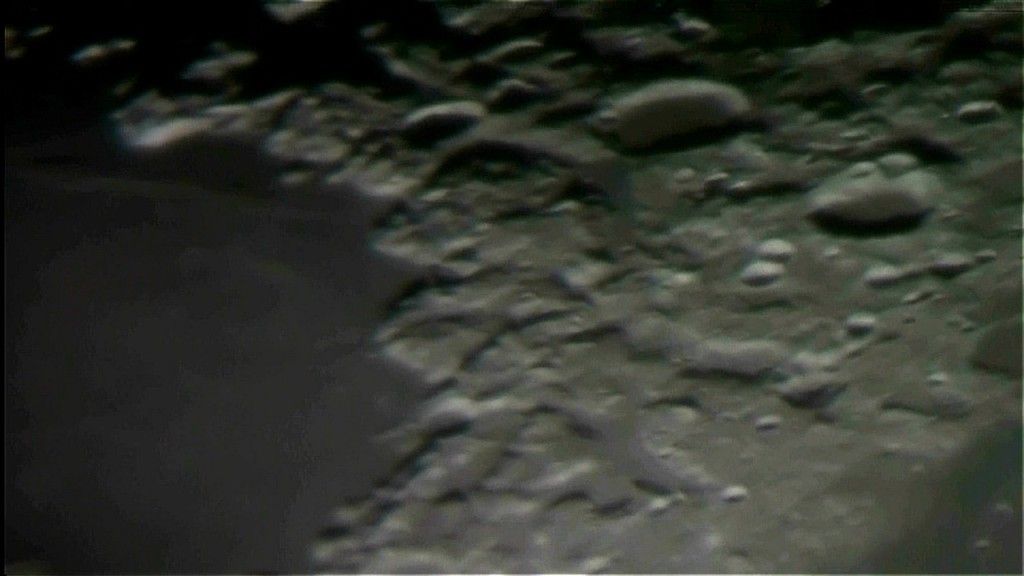
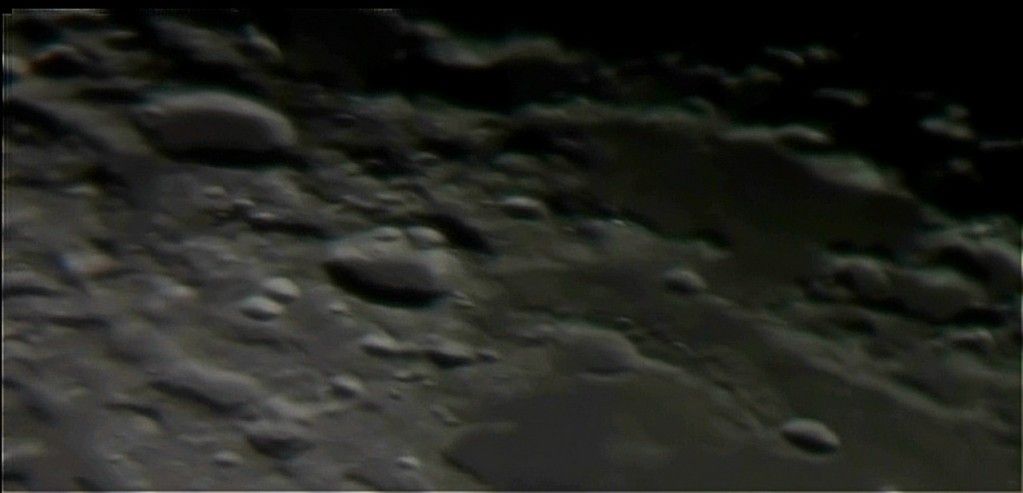
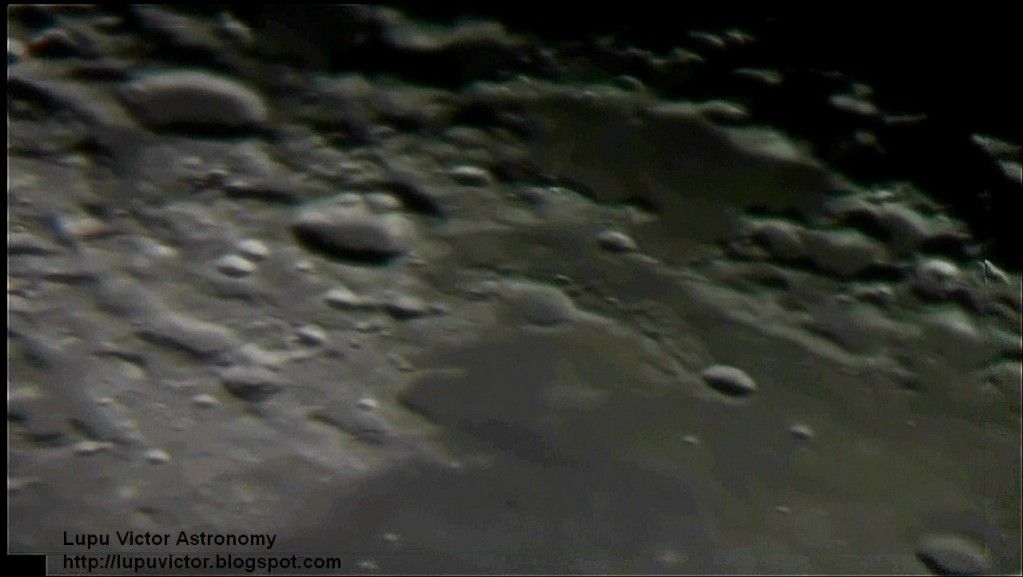
Pictures of Moon by telescope Mare Spumans Firmicus and Apollonius in Registax


The pictures above are processed in Registax, in wich are craters from the South of the Crisium Sea, as Firmicus and Apollonius. I presented in another article video captures of that night, and the video.  Further, south-east of the two craters is Mare Spumans, or the foaming sea. These are my best photos of this depression.

Mare Spumans and Mare Undarum also, that is neighbor to the north-east of Mare Spumans, are dark-colored surfaces, irregular, located on the east side of the Moon as we see it from Earth, south-east of Mare Crisium.


Photographer: Victor Lupu
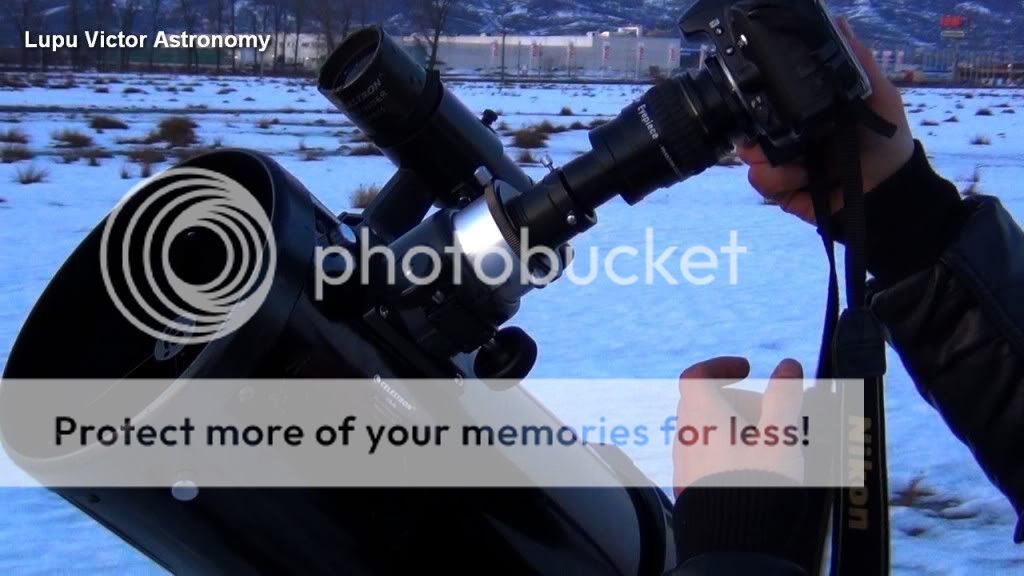
Optics: Celestron C8-Newtonian telescope, plossl 20mm, 2x Barlow
Mount: CG5 (EQ5) 
Device: Sony CX105
Filter: no 
Date: 08/16/2011
Location: Baia Mare, Romania
Processing: FastStone Image Viewer, Registax

Thursday, 31 May 2012

Astronomy Question What crater is this? Neper or Banachiewicz? Images in Registax


Registax
Image 1: 2 frames 100% lowest quality
Image 2: 15 frames 95% lowest quality
Image 3: 2 frames 100% lowest quality

This area of the Moon is the Far East. Images shows Mare Undarum and around it craters of different sizes. Towards the edge of the Moon, we find a depression like a crater of a big size. Through, I searched the area on the Internet and Google Moon, I found no crater in that place. Perhaps it was the Moon phase fault at this time at that moment, and made the shadows to create an illusion that would lead to a such look of the area.

If in he area of the picture below is the crater, then there are only two possibilities: either it is Banachiewicz crater (92 km), or is Neper (137 km). Im inclined to think it is Banachiewicz, because Neper is too far. But can also be Neper, because in the photos, seems to have a central peak, which Banachiewicz does not have. If it is someone who has studied more this area, I would like please to respond to me in a comment.


Photographer: Victor Lupu
Optics: Celestron C8-inch reflector telescope-Newtonian, plossl 20mm, 2x Barlow
Mount: CG5 (EQ5)
Camera: Sony HDR CX105
Filter: No
Date: 14/08/2011
Location: Baia Mare, Romania
Processing: Registax


Monday, 9 January 2012

Astro pictures through telescope: Craters Firmicus Apollonius and Mare Spumans. Lunar selenology.


These craters of the Moon are located on the west as seen from the Earth (which is always the same face toward us).

 In the photos below I put the name of each crater or sea, to be easier to locate, and craters with satellite craters named with letters, have their colors.
These astronomical pictures are from the video that can be found here: Video by astronomical telescope-near Western Mare Crisium.

    Firmicus (56 km), is a lunar crater that is located in the eastern part of the Moon, and appears oval due to its position near the edge. It is however almost circular.The crater is located west of the Mare Undarum, and northeast of the crater Apollonius (53 km), similar in size. North of Firmicus are craters van Albada (22 km) and Auzout (33 km). Annexed to the northwest edge, is Lacus Perseverantiae wich is a Moon sea in miniature.

Apollonius (53 km), is a lunar crater located west of the Mare Undarum, north-east of Sinus Successus wich lies on Mare Fecunditatis, and north of Condon crater (35 km).
Apollonius's outer rim is somewhat worn and is superimposed by a pair of small craters (including Apollonius E) on the west wall. The  interior is almost flat, the floor has a low albedo and has been covered by lava. It has no central peak or notble small craters on the floor.
Both craters, Firmicus and Apollonius have a depth of 1.5 km.

Mare Spumans (139 km), from Latin "foaming sea", is visible in these lunar images, and is located south of Mare Undarum. Apollonius W crater is located on the western edge of the sea, and south os the Mare is Maolaurin crater (50 km), and its sateklite craters T (35 km) and H (44 km).


Photographer: Victor Lupu
Optics: Celestron C8-Newtonian telescope, plossl 20mm, 2x Barlow
Mount: CG5 (EQ5)
Device: Sony CX105 to 8x optical zoom
Total Magnification: 800x
Filter: no
Date: 08/16/2011
Location: Baia Mare, Romania
Processing: video capture, FastStone Image Viewer

Wednesday, 4 January 2012

Video by astronomical telescope-near Western Mare Crisium

This stabilized video presents west of Crisium Sea. The clip starts with the large crater Cleomedes (126 km) in the north of the sea. Images goes along the west of the sea, to south, when Macrobius and Tisserand craters appear, then the bright ray crater Proclus (28 km).

  We go forward and climb the Mare Crisium plateau, where we see two isolated craters: the smaller left is Peirce (19 km), and the bigger on right is Picard (23 km).

In the bottom-right corner begins to see a bit of Mare Fecunditatis.
We visually keep on eye the Mare Crisium, and we reach its southern edge, where Firmicus (56 km) and Apollonius (53 km) craters takes shape, and then there are two large plates: Mare Spumans, on the top, and Sinus Succesus on the bottom of the screen.


Video: Victor Lupu
Optics: CelestronC8" -Newtonian telescope, plossl20mm, 2x Barlow
Mount: CG5 (EQ5)
Device: Sony CX105 at 7x optical zoom
Total Magnification: 700x
Filter: no
Date: 16/08/2011
Location: Baia Mare, Romania
Processing and editing: Sony Vegas 10

 
All images are © Copyright 2010-2015 Lupu Victor. All rights reserved.Images may not be reproduced, published, or copied in any form without written permission of the author. Thank you for respecting the intellectual property rights. ASTROFOTOGRAFIA | Lupu Victor Astronomy - Contact - About
Design by Free WordPress Themes | Bloggerized by Lasantha - Premium Blogger Themes | Online Project management