Visit Worldwide Topsites
Showing posts sorted by relevance for query Blancanus. Sort by date Show all posts

Monday, 10 February 2014

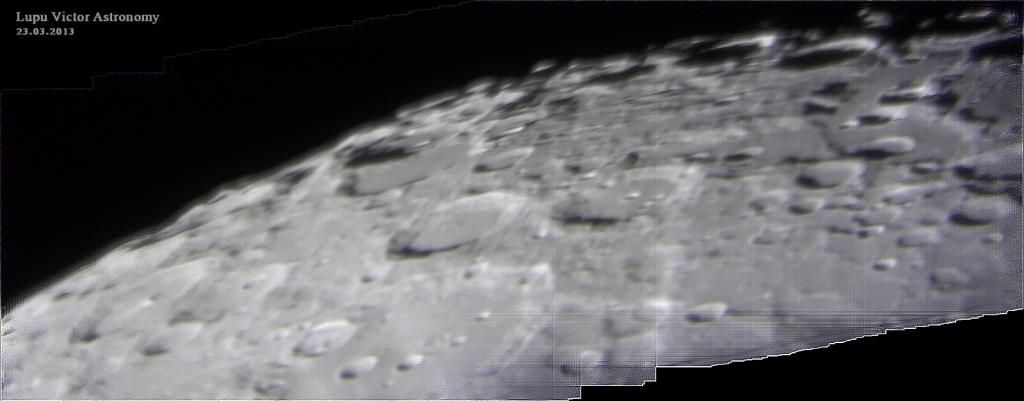
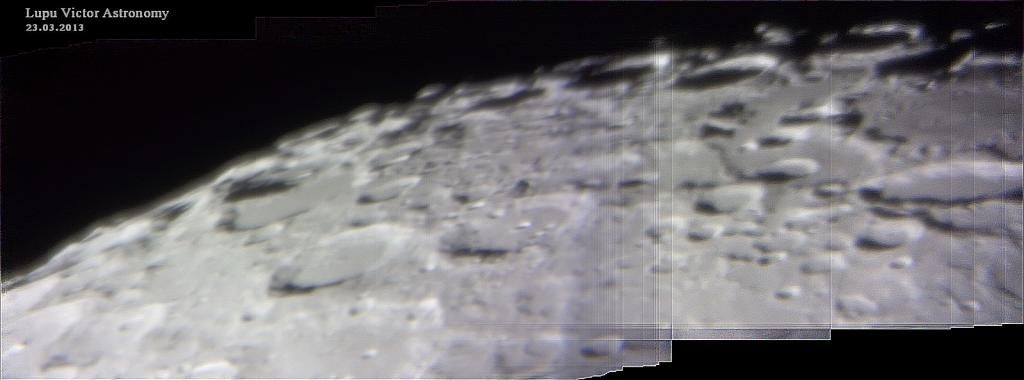
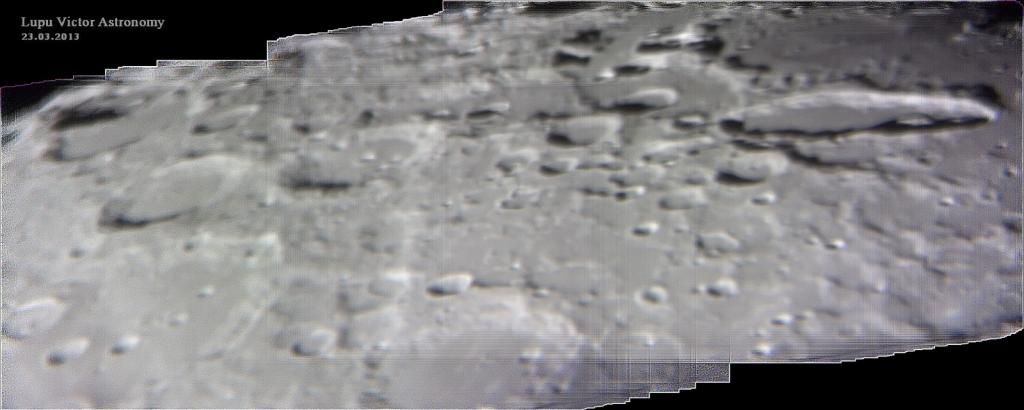
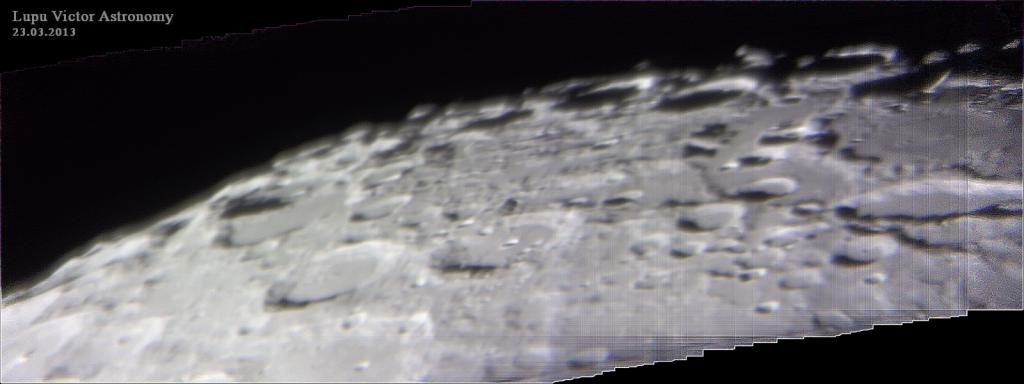
Imaging Fun with Moon craters: Blancanus and Scheiner.

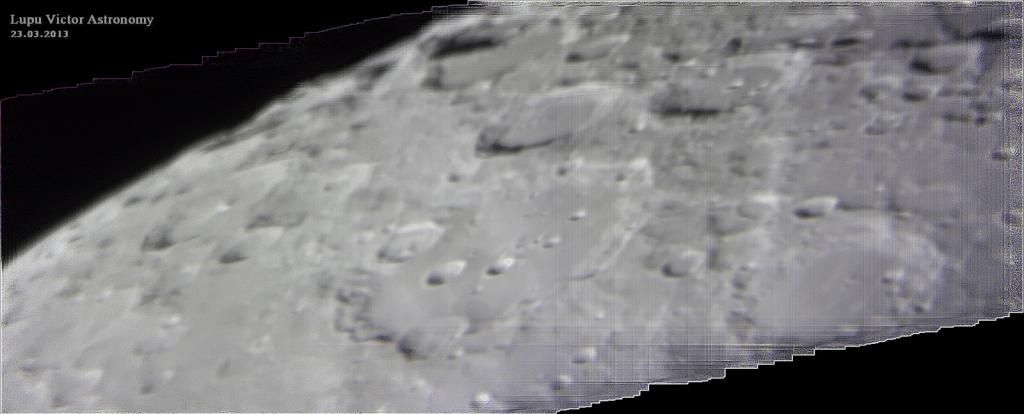
187 frames at 75% best quality in Registax.
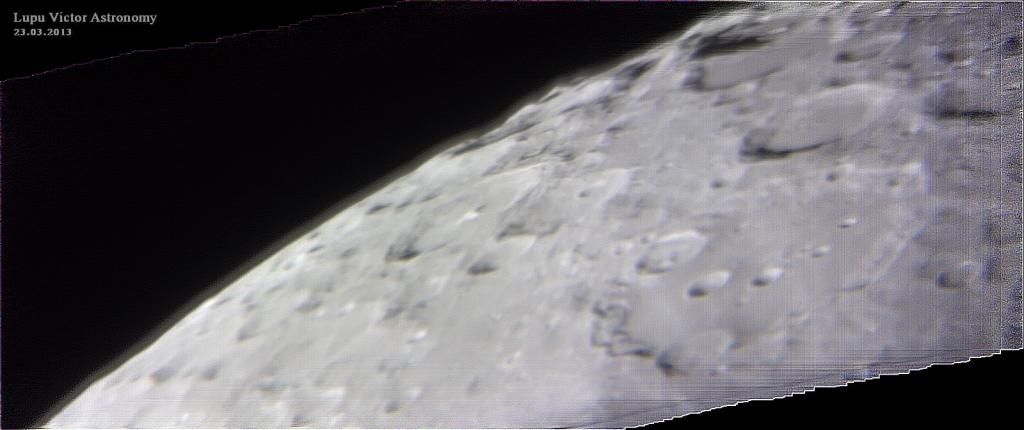
40 frames at 80% best quality in Registax.
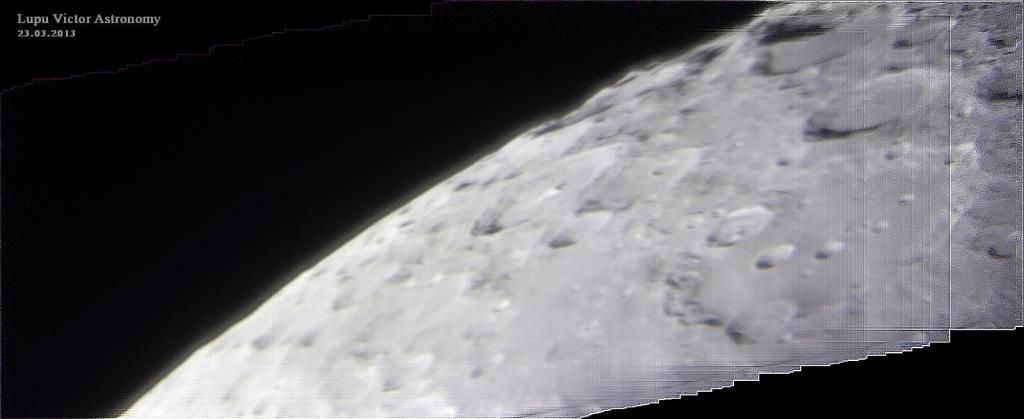
99 frames at 75% best quality in Registax.
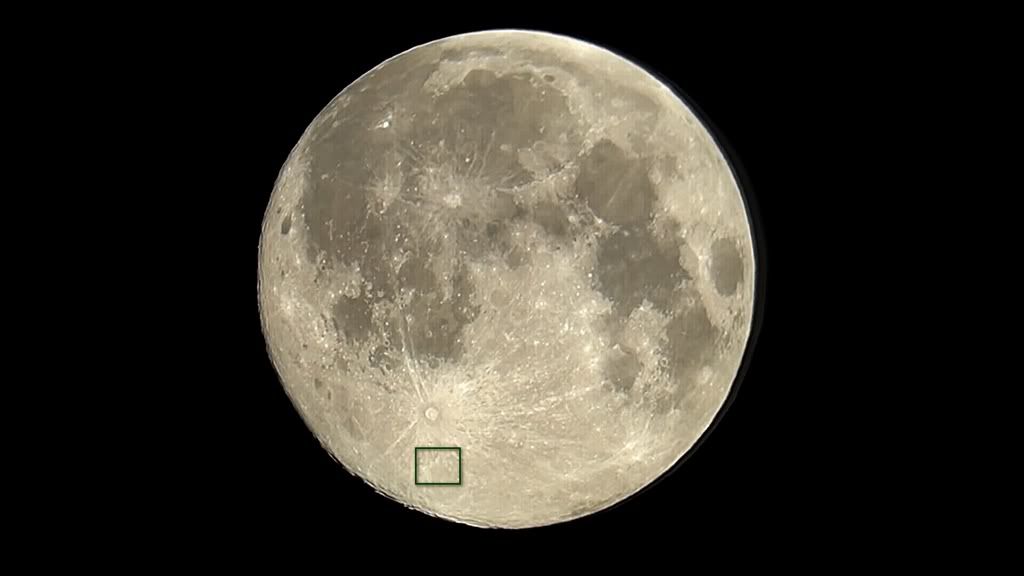
92 frames at 80% best quality in Registax.


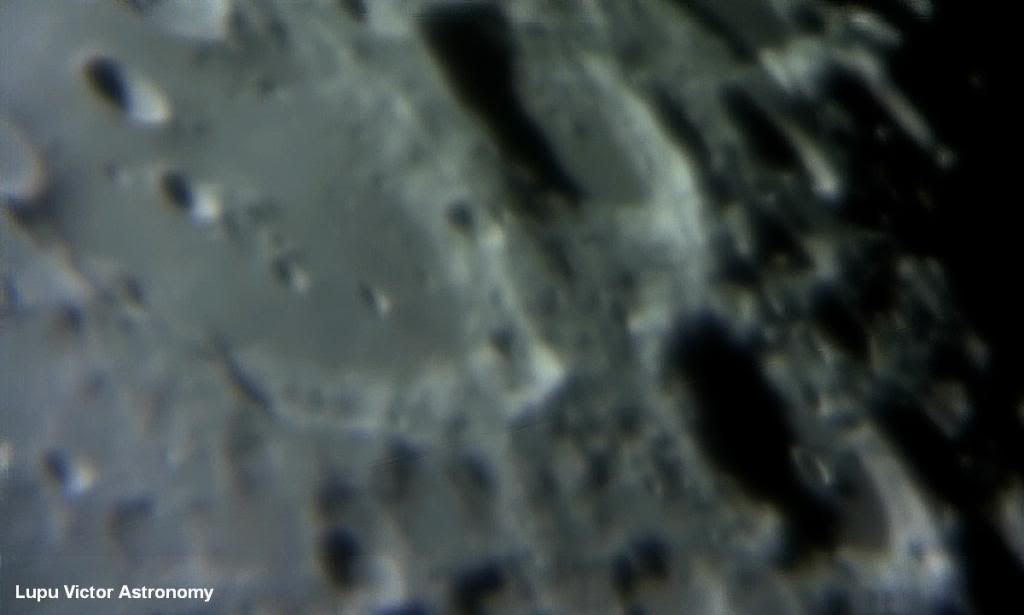
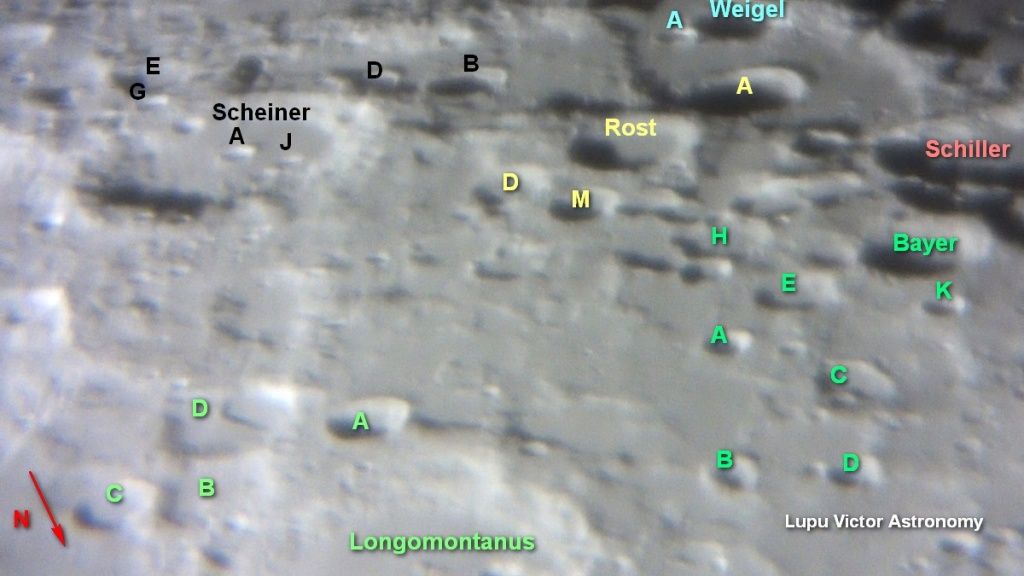
South pole of the Moon is beautifully materialized in these images at this phase. In this article we focus on two craters almost identical in size, and also neighbours, south-west of the great crater Clavius (225 km), Blancanus and Scheiner ​​.
Blancanus (105 km), unlike Scheiner (110 km), has contoured edges, less affected by other impacts, and on the center of the floor, there are some central peaks. Scheiner is "ugly", having the edge more "wrinkled", and on the floor we can distinguish several small craters, but larger than those on the floor of Blancanus.
Looking farther on horizon, at the edge of the Moon, notice Klaproth (119 km) and Casatus (111 km) craters.

Video: Great video of south craters of the Moon.
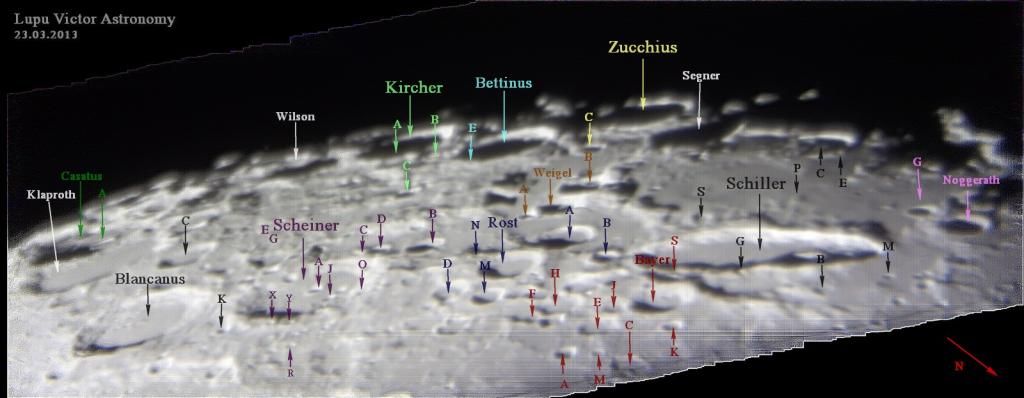


Age of the Moon: 11 days
Distance: 386 658
Phase: 85% (0% = New, 100% = complete)

Optical Telescope Celestron C8 "Newtonian, plossl 20mm, 2x Barlow
Mount: CG5 (EQ5)
Device: Sony CX-130
Video Mode: Full HD 1920x1080 progressive
Filter: no
Date: 23/03/2013
Location: Baia Mare, Romania
Processing and editing: Sony Vegas 10, Registax



Wednesday, 15 May 2013

Scheiner crater Telescope Images

12 frames to 95% best quality


12 frames to 95% best quality


In these pictures are captured two craters: Blancanus (105 km) and Scheiner (110 km), but a big part of Clavius ​​crater (225 km) too, located east of them. Scheiner crater is half shaded by the northeastern wall, and half of the southwest floor is fully illuminated by the sun.

  On the floor, notice a small crater, as a ring, on the border between light and darkness. This is called Scheiner A (12 km).

  On the southern edge, on the rim of the crater, there are two smaller craters, of which I have not found the names. A little farther away is Scheiner G (14 km) and on the western rim is located Scheiner C (13 km).

On the shaded area of the floor, are two craters about the same size of Scheiner A, one of which is called J (12 km).

  Scheiner, compared with Blancanus, has a generally rounded shape, but is more affected by the ulterior impacts.

Blancanus crater lies south-east of Scheiner. Note the central mountain which is on its floor, and the interior west walls in sunlight.


Age of the Moon: 9 days
Phase: 75% (0% = New, 100% = Full)
Distance: 392.049 km


Optics: Celestron C8-Newtonian telescope, 20mm Plossl, 2x Barlow
Mount: CG5 (EQ5)
Camera: Sony CX130
Filter: no
Date: 03/03/2012
Location: Baia Mare, Romania
Processing: Registax, FastStone Image Viewer


Image from 12 february 2011

Sunday, 15 September 2013

Astronomical observations through telescope. Video of Moretus and Clavius​​ craters.

In this video, we make a survey the southern Moon craters and see, from left to right, starting with Moretus (114 km), the large crater Clavius ​​(225 km), Blancanus (105 km) and Scheiner (110 km), and the last is Schiller (179x71 km). From Moretus to Schiller, the elongated crater, are 726 km from center to center.

At the moment the region was filmed, it was full of sunshine, which made all the craters to shine in the light.

As an interesting feature, observe the peaks on the edge of the Moon, which are embossed and which are not mountains, but  the edge of Newton crater (79 km), located south of Short crater (71 km), on the Moon, as it was seen in that moment from Earth.

Age of the Moon: 11 days
Distance: 386, 658
Phase: 85% (0% = New, 100% = full)


Video: Victor Lupu
Optical Telescope CelestronC8 "-Newtonian, 20 mm, Plossl, 2x Barlow
Mount: CG5 (EQ5)
Device: Sony CX-130
Video Mode: Full HD 1920x1080 progressive
Filter: no
Date: 23/03/2013
Location: Baia Mare, Romania
Processing and editing: Sony Vegas 10


Image of crater Scheiner from March 4, 2012.

Wednesday, 9 May 2012

Videos through telescope Clavius and Moretus craters march 2012


In these two clips are south craters of the lunar surface, like Scheiner and Blancanus in first video, and sensationally crater Moretus in the second one.

The atmosphere was not of exceptional quality. Most interesting feature visible in the first video, is Scheiner A (12 km), which is the small crater located on the floor of Scheiner (110 km), on the  edge of the shadow.

Video: Victor Lupu
Optics: CelestronC8 "-Newtonian telescope, plossl20mm, 2x Barlow
Mount: CG5 (EQ5)
Device: Sony CX-130
Video mode: progressive 1920x1080
Filter: no
Date: 03/03/2012
Location: Baia Mare, Romania
Processing and editing: Sony Vegas 10

Monday, 23 September 2013

Great video of south craters of the Moon.

Unlike Earth's surface which is constantly affected by erosion and plate tectonics, the Moon is old and full of scars, tried by some of the largest impact craters in the Solar System.

These lunar craters, tells the story of the latest bombing and chaos in the
Solar System shortly after the formation of the inner planets. In this period of intense bombardment, our Moon could probably hold a record of the history of life on Earth, or a lot of dangers in our galaxy, which represented a threat to us.

In this video through the telescope, the camera goes from left to right, starting from the crater Moretus (114 km), to Blancanus (105 km), Scheiner (110 km), then the 3 craters on limb of the Moon: Kircher (73 km), Bettinus (71 km), and Zucchius (64 km), continuing with Schiller (179x71 km).


Age of the Moon: 11 days
Distance: 386 658
Phase: 85% (0% = New, 100% = Full)


Optics: Celestron C8 "-Newtonian plossl20mm, 2x Barlow
Mount: CG5 (EQ5)
Device: Sony CX-130
Video Mode: Full HD 1920x1080 progressive
Filter: no
Date: 23/03/2013
Location: Baia Mare, Romania
Processing and editing: Sony Vegas 10


Tuesday, 23 July 2013

Images by telescope Clavius ​​(Registax)


Clavius ​​crater, 85 frames at 90% best quality in Registax


Clavius ​​crater, 17 frames at 85% best quality in Registax
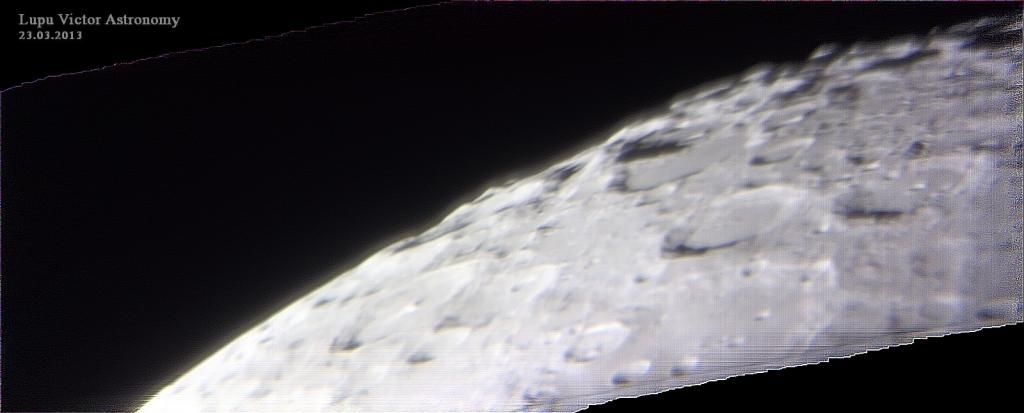
Clavius ​​crater, 2 frames at 100% best quality in Registax
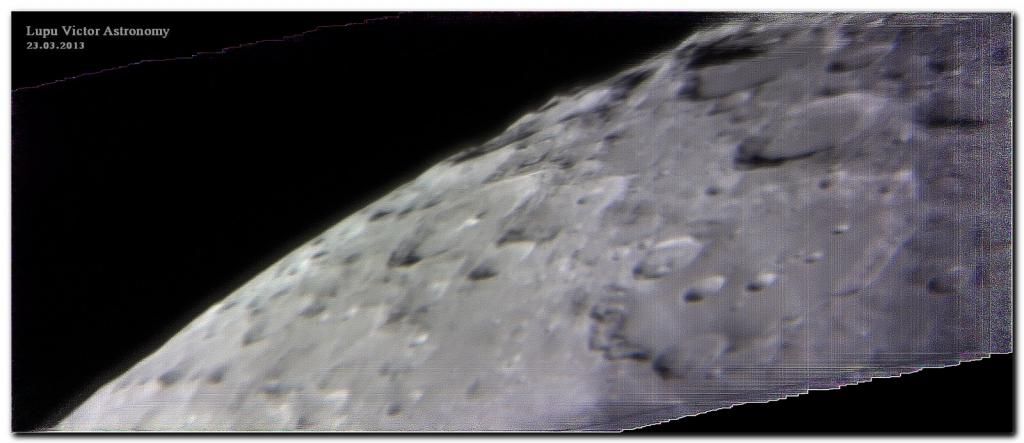


Earth's Moon is "changing", not geological, but through light and shadow. Due to the phases of the Moon, we enjoy a unique show every evening, moonscape always having another look for those who have an astronomical telescope of  any power, large or small.

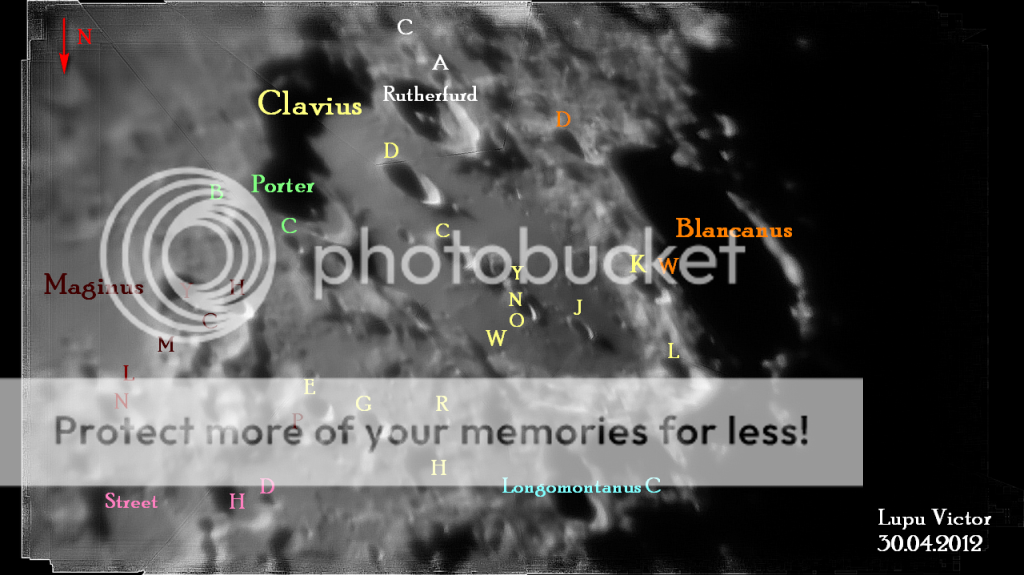
I have often filmed the south area of the Moon, but always different. I captured the moment when the large crater Clavius (in the center of images) was almost completely in shadow, times when it was in full sunlight, and times like now, when the sun shines from the east, and the Moon is 62% illuminated.

The black spot near Clavius, ​​is Blancanus crater (105 km), which was in darkness that night, of which we can see only the top of the inner wall of the south, making it a unique landscape picture for me. Note the descending arc of craters on the floor of Clavius​​. They are more seen from this phase of the Moon than other times.

Images are processings from Registax, of a video from which were taken a variety of shots, merged to form a single image. To also see the video of there pictures, see Video by astronomical telescope crater Clavius ​​2012.

Clavius ​​crater. Registax image from February 13, 2011.
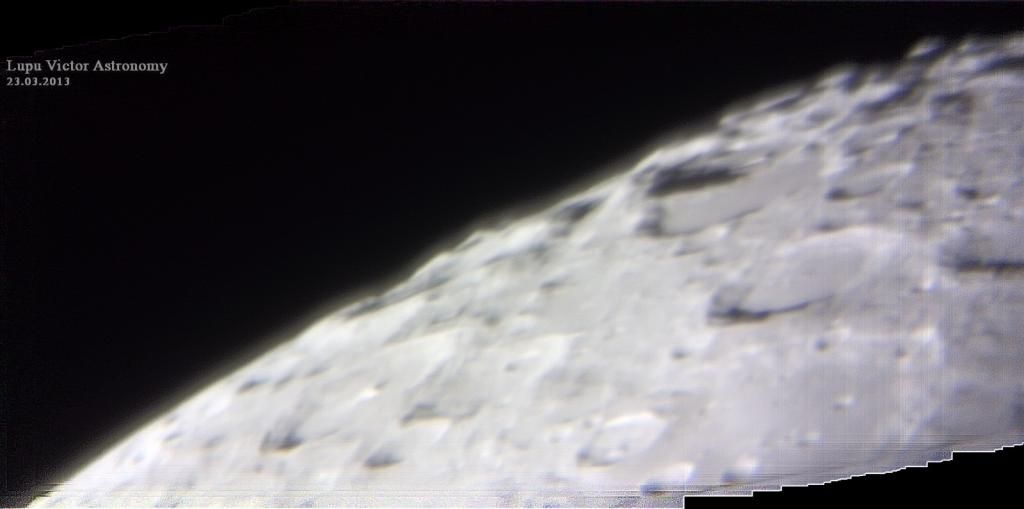

Age of the Moon8 days
Phase: 59% (0% = New, 100% = full)
Distance: 381,110 km


Optics: Celestron C8-Newtonian telescope, 20mm Plossl, 2x Barlow
Mount: CG5 (EQ5) motorized
Camera: Sony CX130
Filter: no
Date: 30/04/2012
Location: Baia Mare, Romania
Processing: Registax, FastStone Image Viewer


Friday, 7 March 2014

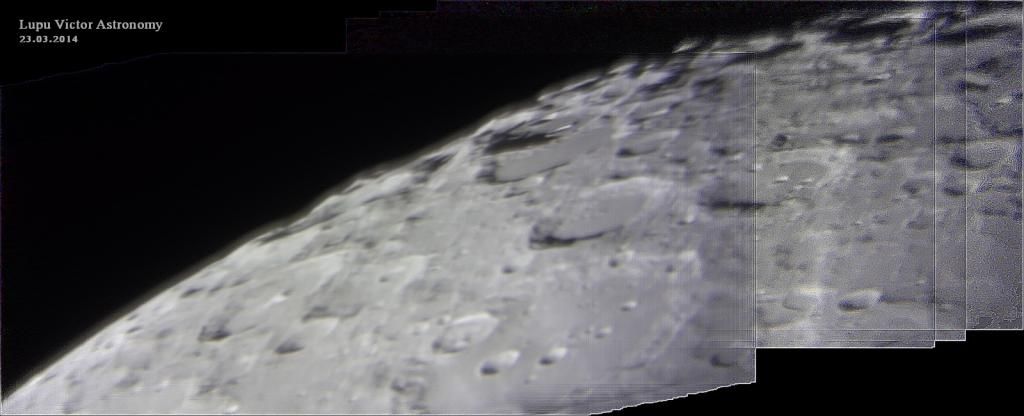
A new header image. Clavius crater on the Moon.

169 frames at 80% best quality in Regitax.
84 frames at 65% best quality in Regitax.
57 frames at 73% best quality in Regitax.
136 frames at 80% best quality in Regitax.
85 frames at 87% best quality in Regitax.


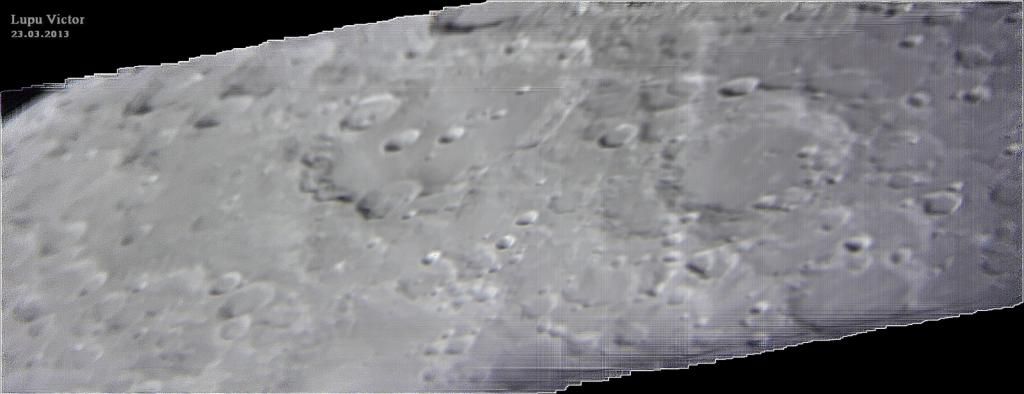
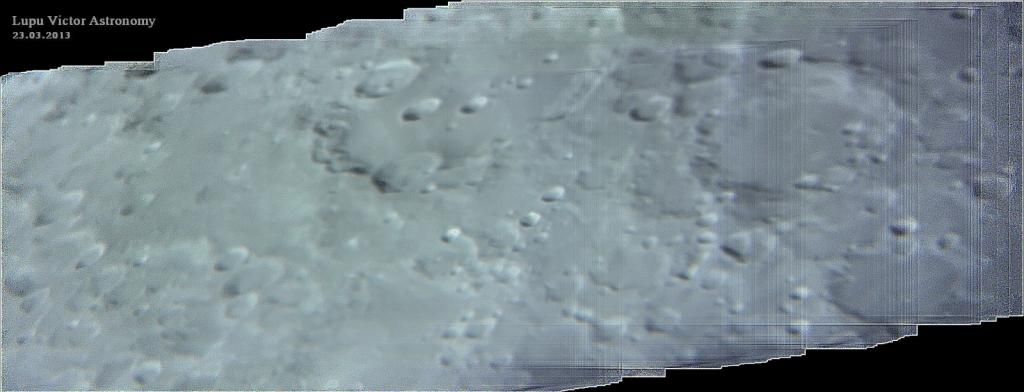
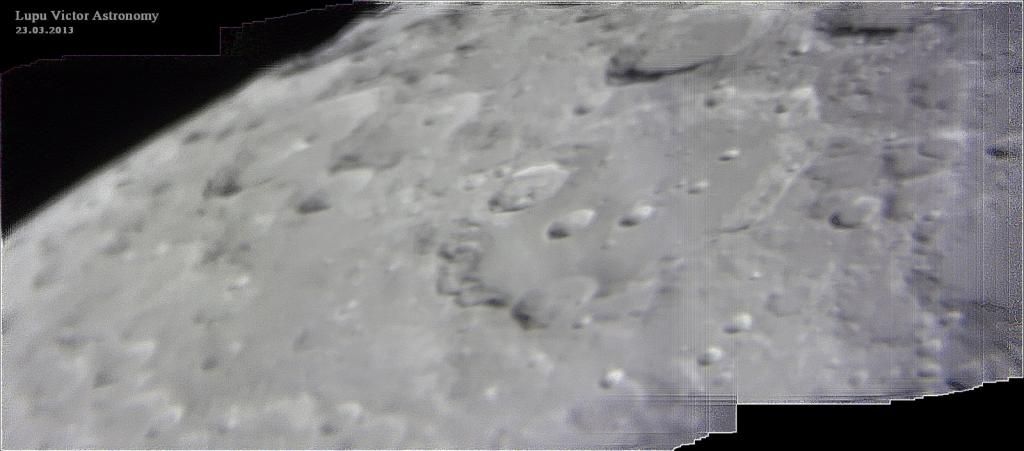
These images cover a wide area of southern Moon. The most pointed of all craters, Clavius (225 km), ​​is a laced one, that should be deeper, compared to its large diameter.

I do not repeat myself in describing the beautiful Clavius​​'s unique characteristics, especially in relation to interior walls and small craters on the floor in an arc shape.


The region looks "milky" due to the Moon phase at the time. Many other large craters, but smaller than Clavius​​, are seen in images. Among these we mention Moretus (114 km), closer to the edge of the Moon, Blancanus (105 km), Scheiner (110 km), and Longomontanus (145 km).

All of these crates listed above, have satellite craters scattered around the area.
Age of the Moon: 11 days
Distance: 386 658
Phase: 85% (0% = New, 100% = Full)


Optical Telescope CelestronC8 "Newtonian, plossl20mm, 2x Barlow
Mount: CG5 (EQ5)
Device: Sony CX-130
Video Mode: Full HD 1920x1080 progressive
Filter: no
Date: 23/03/2013
Location: Baia Mare, Romania
Processing and editing: Registax 5, Sony Vegas 10
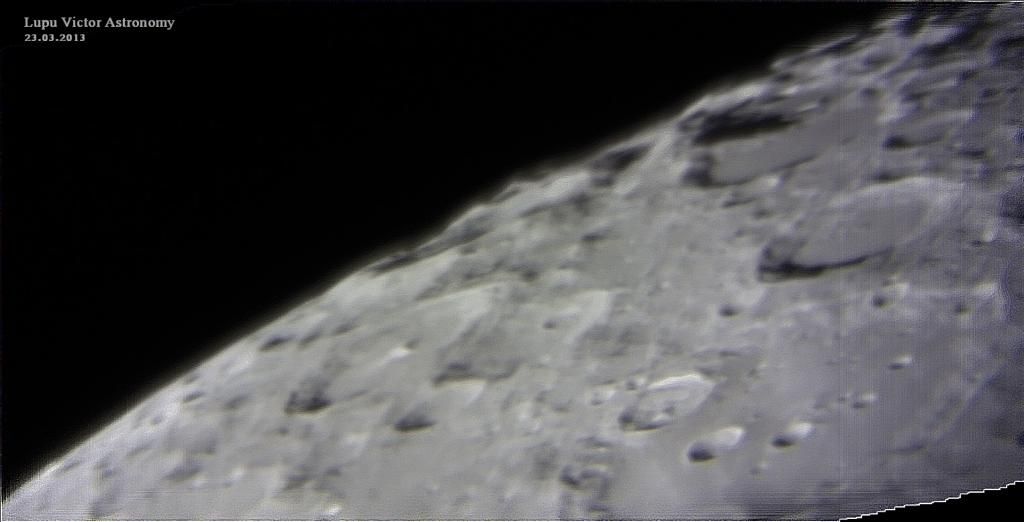

Image from April 301 2012.


Sunday, 22 May 2011

Segner Scheiner and Bayer craters-lunar images


Photographer: Victor Lupu
Optics: Celestron C8-Newtonian reflector telescope, plossl 20mm, 2x Barlow
Mount: CG5 (EQ5)
Device: Sony HDR CX105
Filter: No
Date: 15/02/2011
Location: Baia Mare, Romania
Processing: video capture


Crater Schiller (179x71 km), Zucchius (64 km.) Bettinus (71 km.) And Kircher (73 km.), are located in the south-west part of the Moon.
Other craters in these photos are Segner (67 km), Scheiner (110 km) and Bayer (47 km).

        Segner (67 km), is a lunar crater located northeast of the crater Bailly (303 km). Zucchius crater is a few kilometers south-west and north-east of the unusual crater Schiller. Weigel crater (36 km), less is located east of Segner.
Segner is has a low margin than Zucchius nearby. On the floor are distinguishable only a pair of small craters and has a slightly wavy surface. It shows no central peak.
The name comes from Johann Segner (09/10/1704-05/10/1777)  a hungarian scientist who was born with the original name János András Segner.

         Scheiner (110 km), is a crater which lies west of Clavius. In the southeast edge near Clavius ​​is Blancanus (105 km). Scheiner's rim is eroded, and marked by multiple impacts. It is most affected on the north walls, where a group of small craters cover the entrance to a small valley that leads north. The floor of the crater shows many small craters, including Scheiner A (12 km), that is in the middle. There is also a low ridge that crosses the eastern part of the floor.
The name is given from Christoph Scheiner (25 July 1573 (or 1575), born in Markt Wald near Mindelheim in Swabia, who was a jesuit priest, physicist and astronomer in Ingolstadt.

         Bayer (47 km) crater is located east of the crater Schiller. Bayer's edge is slightly eroded, but remains well defined.  The outer wall is affected by the impact. Bayer's floor is relatively flat and lacks a central peak. There is a small crater, but noticeable on the floor near the west wall. This crater has a breach in the northern edge.
Crater name comes from Johann Bayer (1572 - 7 March 1625) which was a German lawyer and uranographer (celestial cartographer). He was born in Bavaria in 1572.

Wednesday, 14 December 2011

Astronomy:Plus-South Moon Craters (Video)

The clip shown here was stabilized, amd in it we can see craters  like Longomontanus, Scheiner and Blancanus. At the top is the large crater Clavius​​. This is not one of the best clips of the south Moon cratersbut is an addition to the others, an addition to a collection of videos through a telescope.


Optics: CelestronC8 "-Newtonian telescope, plossl20mm, 2x Barlow
Mount: CG5 (EQ5)
Device: SonyCX105 at 7x optical zoom
Total Magnification: 700x

Video resolutiob: 1920x1080
 Filter: no
Date: 14/05/2011
Location: BaiaMare, Romania
Processing and editing: Registax 6, FastStone
Wednesday, 12 March 2014

Moretus crater seen from Earth

75% best quality, in Registax.
127 frames at 75% best quality, in Registax.
87 frames at 78% best quality, in Registax.
198 frames at 83% best quality, in Registax.
75% best quality, in Registax.
59 frames at 90% best quality, in Registax.
93 frames at 85% best quality, in Registax.
130 frames at 80% best quality, in Registax.


Four large craters can be seen on this corner of the Moon, which seems covered by snow: Clavius​​ (225 km) Blancanus (105 km), Scheiner  (110 km) and Moretus (114 km). Moretus is near the terminator, and close behind him is a crater called Short.

Edge of the Moon gives us a relief that rises on the horizon, and these images are more than eloquent, if we look at the heights that deforms somewhat roundness of the Moon as we know it, if we would not look through a telescope.


Notice the ridges that rise on lunar horizon. Those are not mountains, but the western edge of Newton crater, located between Moretus and Klaproth
(119 km) If you fly over the Moon, you would see at the horizon such hights everywhere, but we on Earth are limited to see only a few, because it is always stands facing towards us.

Video:  Great video of south craters of the Moon.

Age Moon: 11 days
Distance: 386 658
Phase: 85% (0% = New, 100% = Full)


Info Moretus.
Coordinates70.6°S 5.5°WCoordinates: 70.6°S 5.5°W
Diameter114 km
Depth5.0 km
Colongitude7° at sunrise
EponymThéodore Moretus


Optical Telescope CelestronC8 "Newtonian, plossl20mm, 2x Barlow
Mount: CG5 (EQ5)
Device: Sony CX-130
Video Mode: Full HD 1920x1080 progressive
Filter: no
Date: 23/03/2013
Location: Baia Mare, Romania
Processing and editing: Registax 5, Sony Vegas 10


Image from July 20, 2011.


All images are © Copyright 2010-2015 Lupu Victor. All rights reserved.Images may not be reproduced, published, or copied in any form without written permission of the author. Thank you for respecting the intellectual property rights. ASTROFOTOGRAFIA | Lupu Victor Astronomy - Contact - About
Design by Free WordPress Themes | Bloggerized by Lasantha - Premium Blogger Themes | Online Project management