Visit Worldwide Topsites
Showing posts sorted by relevance for query eratosthenes. Sort by date Show all posts

Monday, 4 July 2011

Eratosthenes crater and Sinus Aestuum

Photographer: Victor Lupu
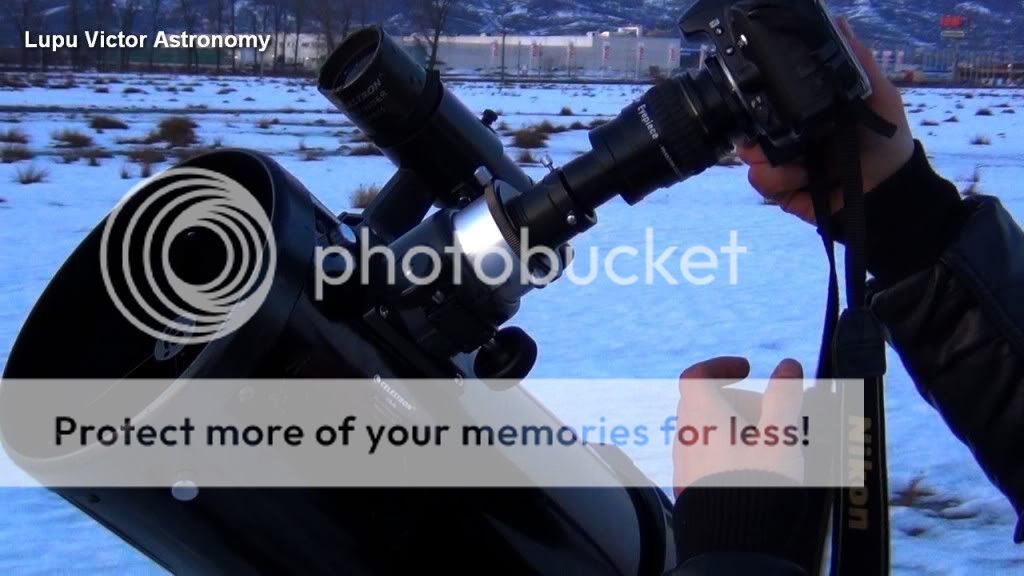
Optics: Celestron C8-Newtonian telescope, plossl 20mm, 2x Barlow
Mount: CG5 (EQ5)
Device: Sony CX105
Filter: No
Date: 11/05/2011
Location: Baia Mare, Romania
Processing: Sony Vegas 10 video captures


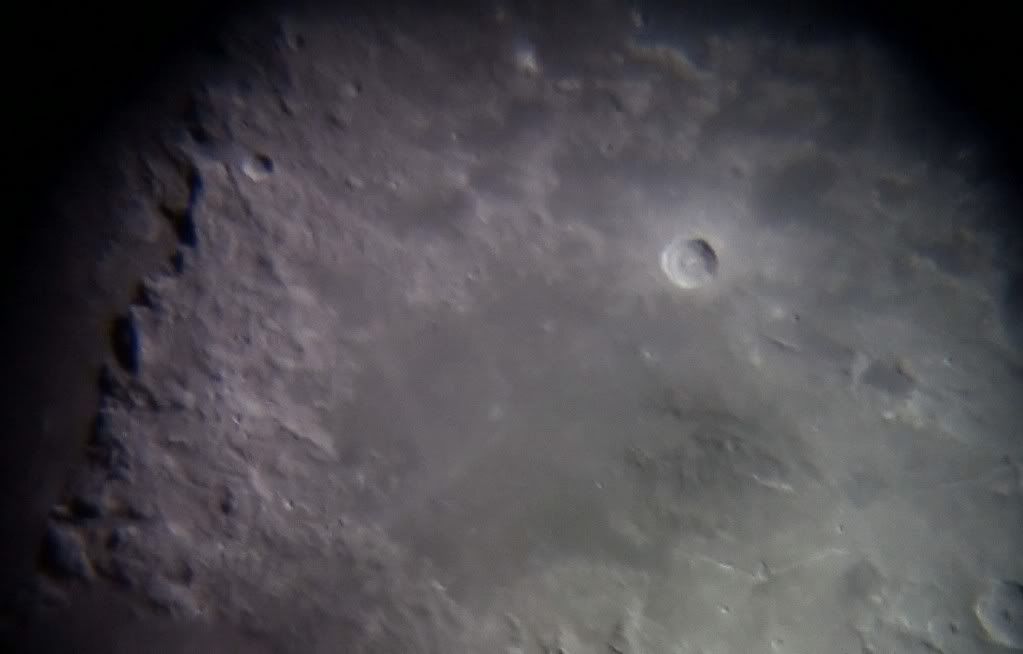
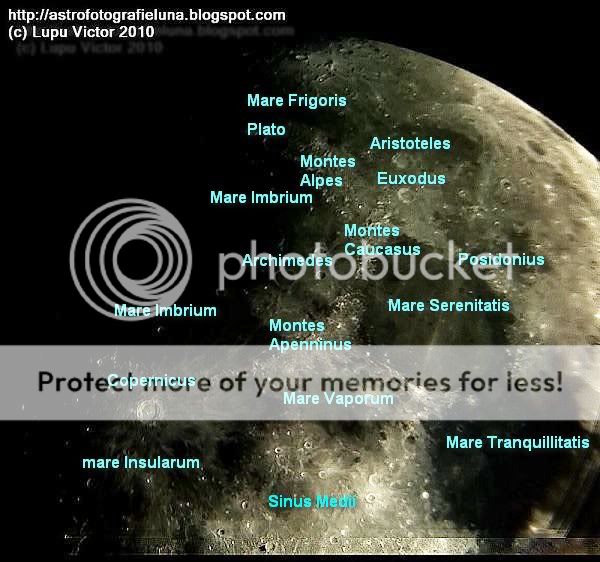
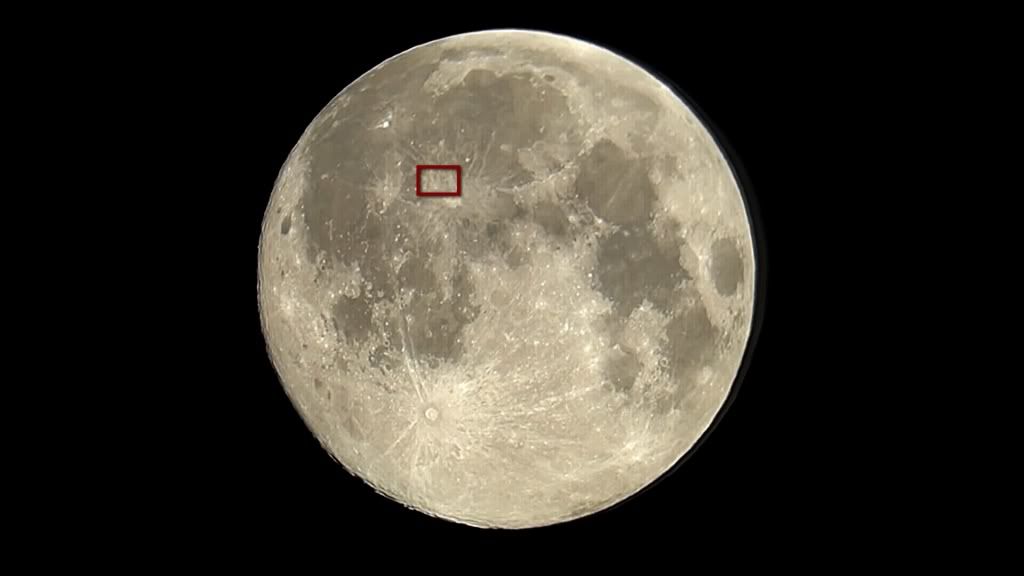
Eratosthenes (58 km), is a lunar crater 3.6 kilometers deep, which is at the limit of Mare Imbrium and Sinus Aestuum. This crater forms the western mountains of Montes Apenninus.Crater has well-defined circular rim, terraced inner walls, mountain peaks in the center , an irregular floor and an exterior wave caused by the impact. It does not have a ray system, but it is touched by the rays of Copernicus crater to the southwest.
Eratosthenian period in terms of lunar geological time, is named after this crater.Crater is believed to date about 3.2 billion years ago, at the beginning of this period of time.

 Eratosthenes of Cyrene bears the name of the crater (Greek: Ἐρατοσθένης, c. 276 BC - c. 195 BC), who was a greek mathematician, poet, athlet, geographer, astronomer, and a musical theorist.He was the first person who used the word "geography" and invented the discipline in geography as we understand it. He invented the system of latitude and longitude.
He was the first person who calculated the circumference of the Earth and the first calculate the tilt axis of the earth (with remarkable accuracy). Eratosthenes also calculated the precise distance from Earth to the Sun and created a geographical world map based on the available knowledge of his time.


Sinus Aestuum (Latin:"Bay of Billows") is an extension of the northeast to Mare Insularum and has a diameter of 290 km.
Sinus Aestuum is almost with no albedo on surface or basalt lava. It is marked by several small impacts, and some rilles.At the east border is an irregular area that divides the bay from Mare Vaporum at east. To the north are Montes Apenninus and the crater Eratosthenes. Along the west side is the flooded crater Stadius (69 km),and Mare Insularum at southwest.


Saturday, 17 August 2013

Photos by telescope Crater Eratosthenes


2 frames at 100% best quality in Registax.


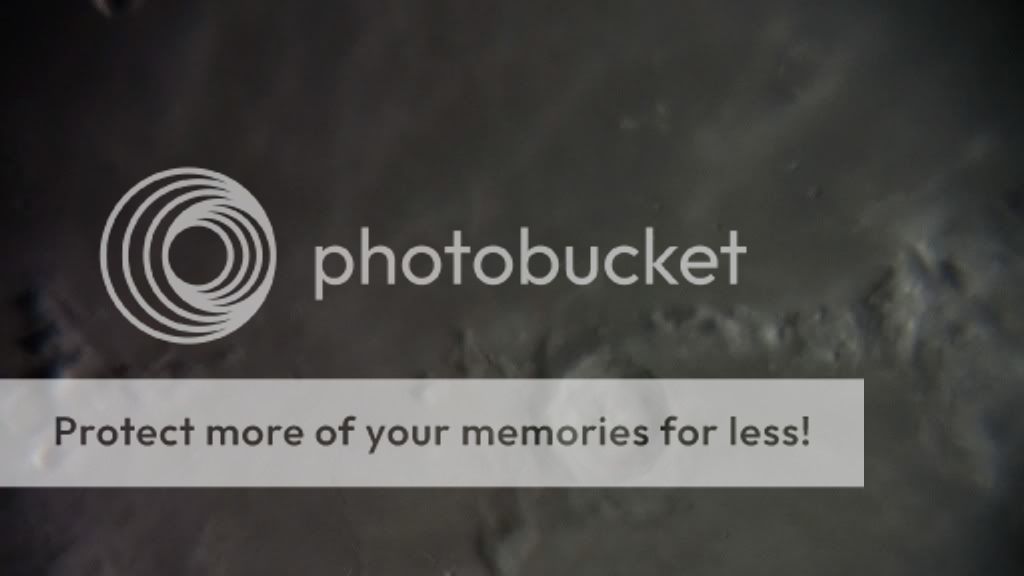
Eratosthenes (58 km), is a crater ending Apeninnus mountains, situated between Sinus Aestuum (bottom in photo) and Mare Imbrium (top in photo), on the central area of the Moon.


In this picture, we see the southern Montes Apeninnus that suddenly narrows more and more to their endand give the impression of "coiled" around Eratosthenes. Montes Apenninus appear to be interrupted by two parallel valleys, two grooves in the mountains. At their south, is a mountain called Mons Wolff.

At the bottom of the image, most small craters are satellite craters of Marco Polo (28x21 km).


Note the central mountains on the floor of Eratosthenes forming the illusion of a "V" letter, and beautiful terraced inner walls. This crater, even if smaller, resembles in features with Copernicus which is not far, to the southwest.
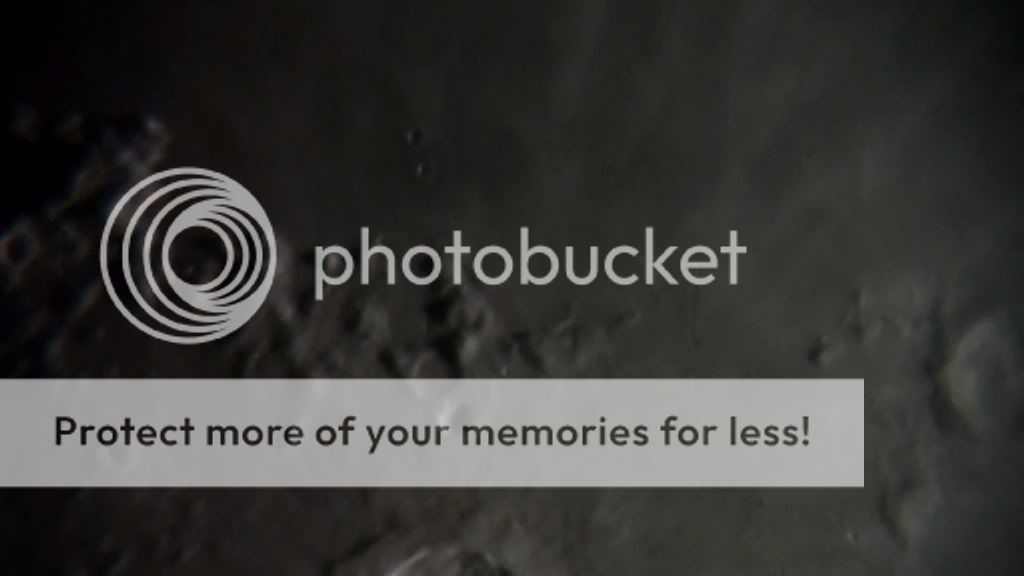
This is a video processing in Registax image from several frames, merged to form a single image.

Age of the Moon: 8 days
Phase: 62% (0% = New, 100% = full)
Distance: 379.486 km


Optics: Celestron C8-Newtonian telescope, 20mm Plossl, 2x Barlow
Mount: CG5 (EQ5)
Camera: Sony CX130
Filter: no
Date: 30/04/2012
Location: Baia Mare, Romania
Processing: Registax, FastStone Image Viewer


Thursday, 27 November 2014

Registax. Eratosthenes and Sinus Aestuum Center Moon craters seen through the telescope.

228 frames, in Registax.
175 frames, in Registax.
279 frames, in Registax.
1 frames, in Registax.
These images contain a larger area of the center region of the Moon. We observe the whole Sinus Aestuum plateau, crater Eratosthenes (58 km) at north, ghost crater Stadius (69 km) with its the row of satellite craters, and the southern part of Montes Apenninus with their southern extremity arched toward Eratosthenes crater.

Eratosthenes is beautifully lit here letting be seen the peaks on the center of its floor.
In some images, color shades and tones may be clearly identifiable on Mare Imbrium and Sinus Aestuum. These are materialized like white strips in contrast with the dark land of these basins.

Images in this article are the result of processing a video in Registax program which compressed multiple frames to give a single image.

228 frames, in Registax.

Moon Age: 9.05 days
Phase: 70.5% (0% = New, 100% = Full)
Distance: 399.221 km


Optics (telescope or lenses): Celestron C8-Newtonian telescope, eyepiece 20mm Plossl, 2x barlow
Mount: CG5 (EQ5)
Camera: Sony CX130
Filter: no
Date: 10/03/2014
Location: Baia Mare, Romania
Processing: Registax,  FastStone Image Viewer


Friday, 29 July 2011

Montes Apenninus-the monkey tail

Photographer: Victor Lupu
Optics: Celestron C8-Newtonian telescope, plossl 20mm, 2x Barlow
Mount: CG5 (EQ5)
Device: Sony CX105
Filter: No
Date: 11/05/2011
Location: Baia Mare, Romania
Processing: video captures

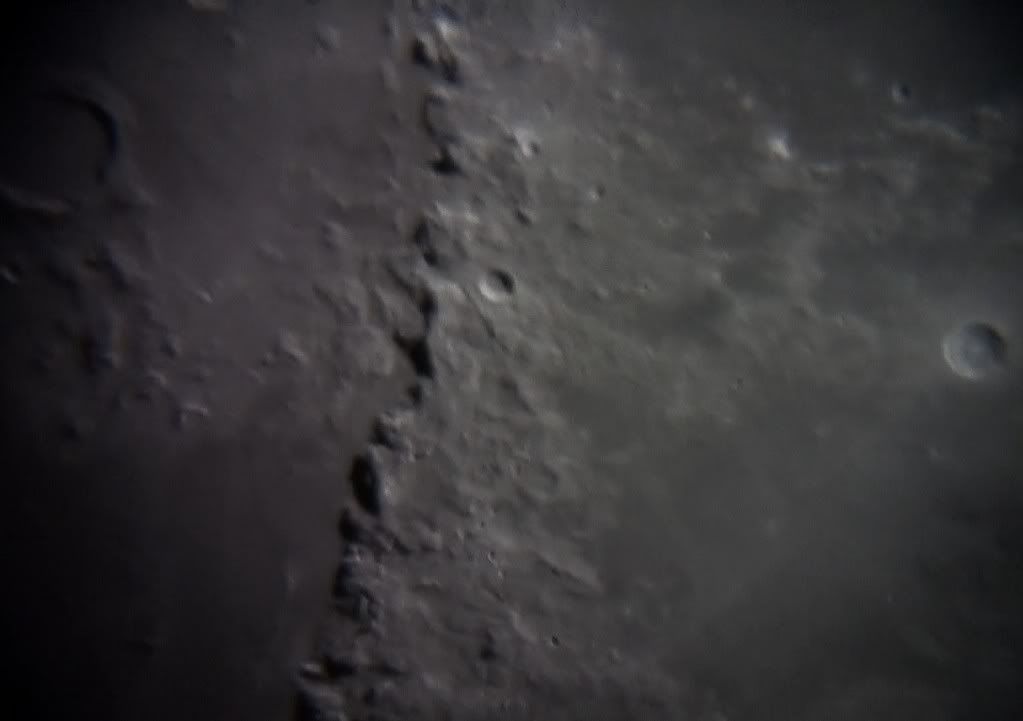
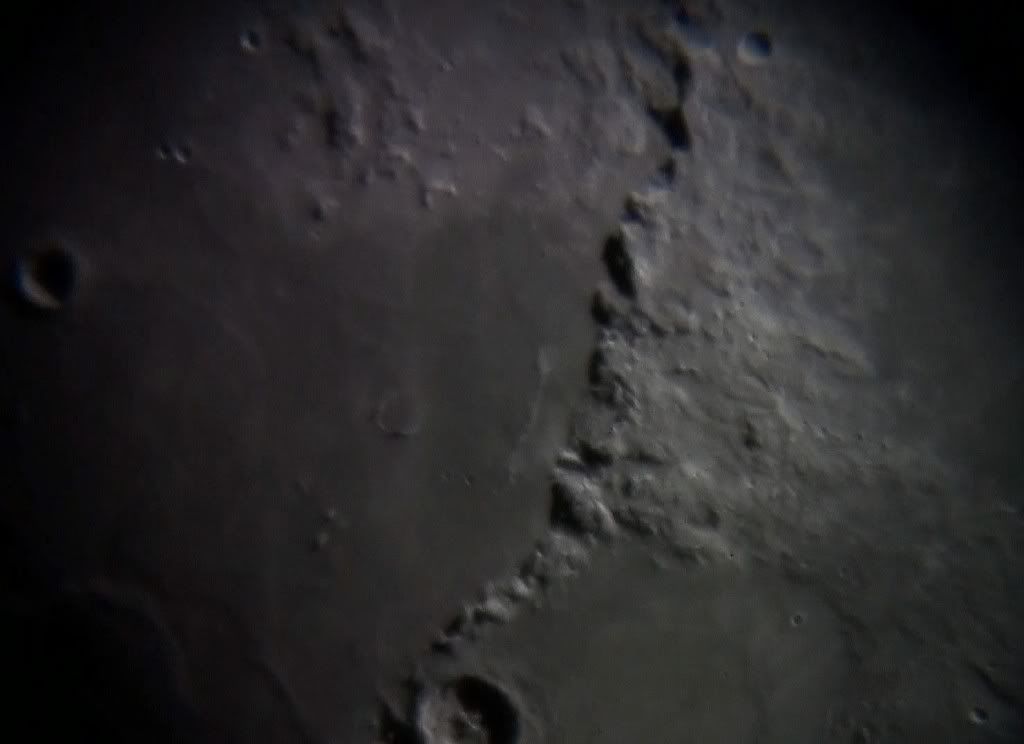
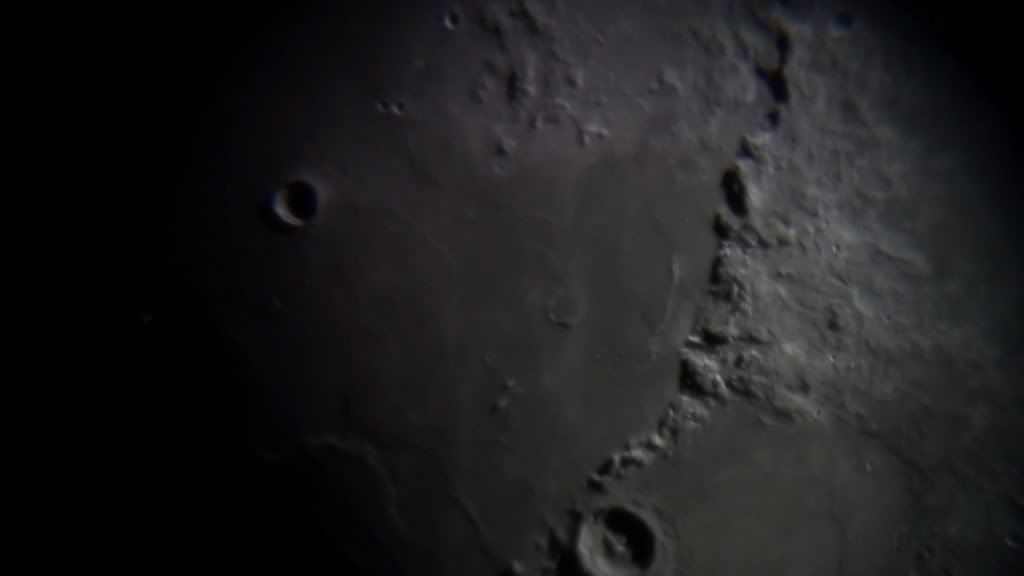
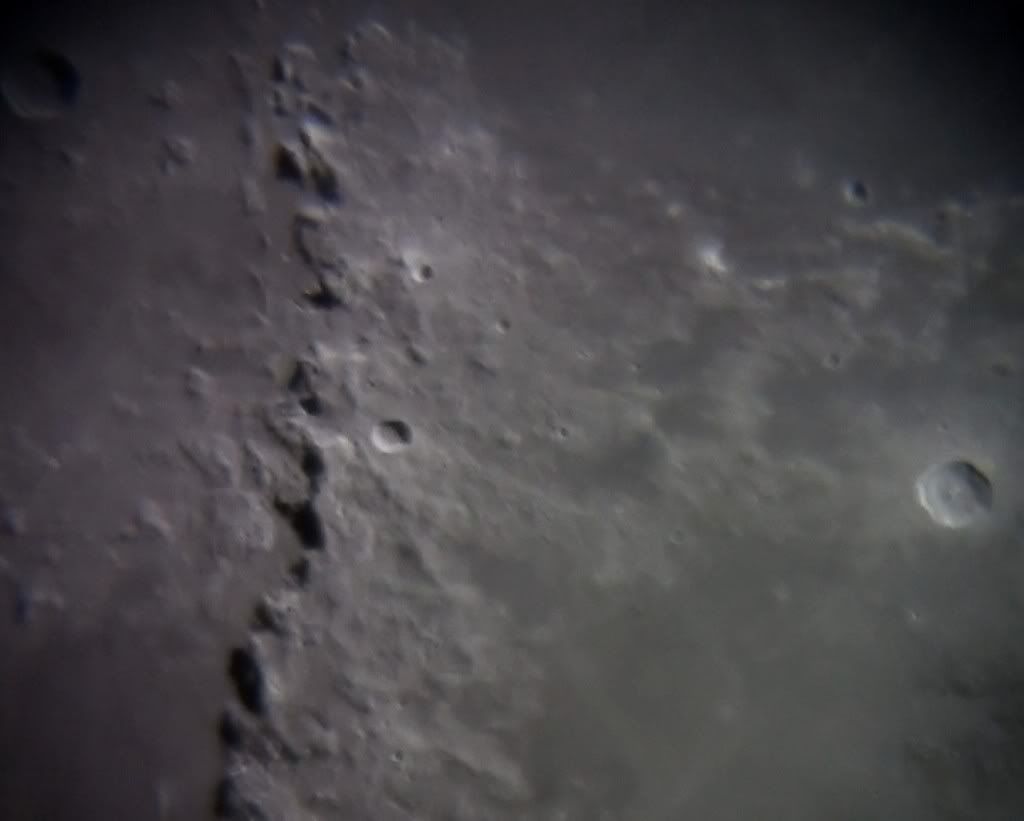
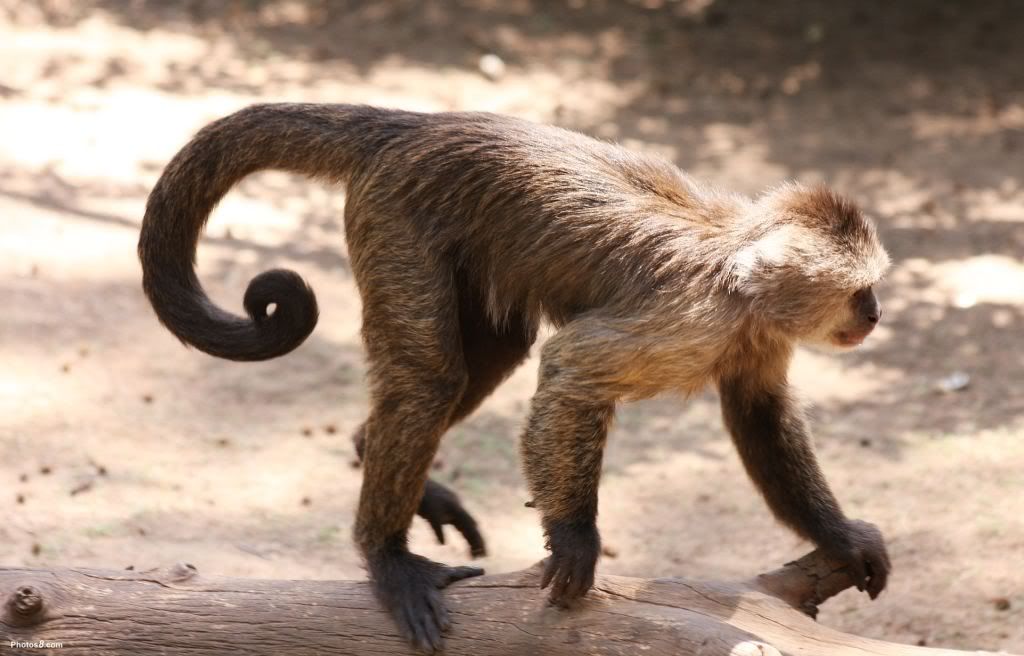
These images are some of my clearest pictures of Apenninus mountains on the Moon I managed to achieve until now.Apenninus mountains ends with Eratosthenes crater, the one from the "monkey tail" as I call it .
The monkey tail are Apenninus Mountains and the ending crooked of the tail, is the crater
Eratosthenes.

Videos of these captures have posted here. In the first of  the three videos Apenninus are visible on a larger area.

Wednesday, 17 April 2013

List of Moon's center features. Astronomy lecture

Craters at the center of the lunar disk, as seen from the Earth, are the most visible because their entire structure is facing us, revealing the floors and their perfect detail, even with a modest telescope. On the center, there are many features, such as mountains, seas (mare) and large craters. Apenninus Mountains are easily spotted, and craters as Eratosthenes, Copernicus, the great crater Ptolemaeus but others that can be found in the lists below.

The craters on the Moon are named after great personalities of the branch of science such as astronomers, mathematicians, inventors and not only.

The results of the links may not have as title the craters, mountains or other features you are looking for, but in the content of the articles, those features are presented.


Craters of the Moon's center area.


Abulfeda
Agrippa
Almanon
Andel
Aratus
Albategnius
Alpetragius
Alphonsus
Argelander
Arzachel
Airy
Blagg
Bode
Bonpland
Bowen
Bruce
Bumham
 
Cone
Conon
Copernicus
Davy
Delambre
Dembowsky
Dollond
Eratosthenes
Flammarion
Fra Mauro
Gambart
Gay Lussac
Godin
Gylden
Halley
Herschel
Hind
Hipparchus
Horrocks
Hyginus
Klein
Lade
Lalande
Lassell
Lindsay
Marco Polo
Mosting
Muller
Murchison
Oppilzer Pallas
Pallas
Palissa
Parrot
Pickering
Playfair
Ptolemaeus
Reamur
Reinhold
Rhaeticus
Ritchey
Saunder
Schroter
Seeliger
Sommering
Sporer
Stadius
Sulpicius Gallus
Taylor
Thebit
Triesnecker
Turner
Ukert
Vogel
Wallace


Seas of the Moon's center area.

Mare Vaporum
Mare Nubium
Mare Cognitum
Mare Insularum
Mare Imbrium


Mountains of the Moon's center area

Montes Apenninus
Montes Carpatus
Montes Riphaeus


Other forms of relief on the center area of the Moon.

Sinus Aestuum
Sinus Fidei
Sinus Medii
Lacus Felicitatis
Lacus Odii
Lacus Doloris
Promotorium Taenarium
Rupes Recta
Rimae Alphonsus
Rimae Ariadaeus
Rimae Bode
Rimae Vladimir
Rimae Bradley
Rimae Flammarion
Rimae Gay Lussac
Rimae Hadley
Rimae Hyginus
Rimae Oppolzer
Rimae Yangel
Rimae Parry
Rimae Reamur
Rimae Schroter
Rimae Sulpicius Gallus
Rimae Triesnecker


Space missions on the center area of the Moon.

Apollo 11
Apollo 12
Apollo 14
Apollo 15
Apollo 16
Apollo 17

Luna 5 (1965) USSR due to a malfunction, it crashed on the lunar surface.

Ranger 7 (1964) USA- intentionally crashed, and successfully sent 4308 images with a resolution of up to 0.5m.

Surveyor 3 (1967) USA has landed successfully transmitted images to Earth 6326.

Apollo 14 USA-Extravehicular Activity (EVA). On February 5, 1971, the crew of Apollo 14 landed on the lunar surface in the Fra Mauro formation near Cone crater.


To see the photographic map of the center area of the Moon, view: Photographic map of the Moon: Center Zone. Lunar Atlas.


For those who like my astro pictures or my articles, it woul be great if you could pay attention on advertising that appear in the blog by a click and maybe one day I could buya better telescope.

Thursday, 21 July 2011

Video-Eratosthenes crater and Sinus Aestuum


Video by: Victor Lupu
Optics: Celestron C8-Newtonian telescope, plossl 20mm, 2x Barlow
Mount: CG5 (EQ5)
Device: Sony CX105
Filter: No
Date: 11/05/2011
Location: Baia Mare, Romania

These clips are shot through my telescope at the date written above. I have delayed until now to post this crater, (photo and video), because I have not had clarity and I did not wanted to post something unsuccessful.And these videos are not much, but it is my best Eratosthenes up to this time. The secret, is the shadow as I said in other posts.In light there is clarity very rarely ,and only with a very good atmosphere.
Other features in these videos are Sinus Aestuum and a part of Montes Aprnninus.The video captures of this videis can be seen here.

Monday, 19 August 2013

Pictures and video by telescope. Copernicus crater

Copernicus, 19 frames to 90% best quality in Registax.
Copernicus, 2 frames to 100% best quality in Registax.
Copernicus, 32 frames to 85% best quality in Registax.

In these images of crater Copernicus (93 km), observe its smooth floor, being half in shadow. The central peaks are seen, strongly sunlit on the southeast side, so the west and south-west floor  and interior walls are bathed in sunshine.

  Notice the
pyramidal beautiful collar lace surrounding the crater, and the uneven "wires" starting from it on Mare Insularum being likened to a sun drawn by a child on a drawing sheet.
 

  To the south, craters Reinhold (48 km) and Reinhold B (26 km) are in the dark on this phase of the Moon besides their upper edges. Moon's terminal begins west of the craters we talked about above, where begins a total darkness.

This is a video processing in Registax image from several frames, merged to form a single image.


Age of the Moon: 8 days
Phase: 62% (0% = New, 100% = full)
Distance: 379.486 km


Optics: Celestron C8-Newtonian telescope, 20mm Plossl, 2x Barlow
Mount: CG5 (EQ5)
Camera: Sony CX130
Filter: no
Date: 30/04/2012
Location: Baia Mare, Romania
Processing: Registax, FastStone Image Viewer


This is a video processing in Registax image from several frames, merged to form a single image. - See more at: http://lupuvictor.blogspot.ro/2013/08/photos-by-telescope-crater-eratosthenes.html#sthash.QLWBSuDj.dpuf
Below is the video from which I made these photos.

Tuesday, 16 August 2011

Eratosthenes crater and Sinus Aestuum one day after

Photographer: Victor Lupu
Optics: Celestron C8-Newtonian telescope, plossl 20mm, 2x Barlow
Mount: CG5 (EQ5)
Device: Sony CX105 at 10x optical zoom
Total magnification: 500x
Filter: No
Date: 12/05/2011
Location: Baia Mare, Romania
Processing: video captures, FastStone Image Viewer

Eratosthenes (58 km), is a crater more difficult to catch in picture or video, because it is located on the center of the Moon's and the edge is difficult to focus when in light. It's a pretty short period of time to catch it in the shadow.For example, a day before I captured it in photo and video and was half in darkness, and after a day, it was in light (ie in the photos of this post ), and it was the most successful capture of this crater that I have ever achieved.
Copernicus (93 km), crater nearby, is the same difficult, but it is larger and the camera focuses even when the Sun shines it more.
In the third photo in the article are Montes Carpatus or Carpathian Mountains, and Sinus Aestuum (plateau to the left).

 
All images are © Copyright 2010-2015 Lupu Victor. All rights reserved.Images may not be reproduced, published, or copied in any form without written permission of the author. Thank you for respecting the intellectual property rights. ASTROFOTOGRAFIA | Lupu Victor Astronomy - Contact - About
Design by Free WordPress Themes | Bloggerized by Lasantha - Premium Blogger Themes | Online Project management