Sunday, July 29, 2012
 Unknown

For a long time, people had many questions about the Moon, and some of them are about the luminance of it's surface. It was believed that the Moon is a mirror and the black spots reflects Earth's oceans. This of course is not true, but apparently I am not the only one to wonder if the Moon is made of glass or something else.
I think that the Moon has a strange soil, and the sunlight is reflecting stronger than if it were made of common stone. I felt that since I shot the Full Moon, but did not know why it looks so different from what I know, after I dropped gamma of the video.
Among the substances that compose the lunar soil, it contains silica, which is the primary component of sand, glass, and concrete.
The lunar material have bizarre properties because it contains glass bubbles filled with nanoparticles. Nanoparticles are released when micrometeors are crushing the glass.
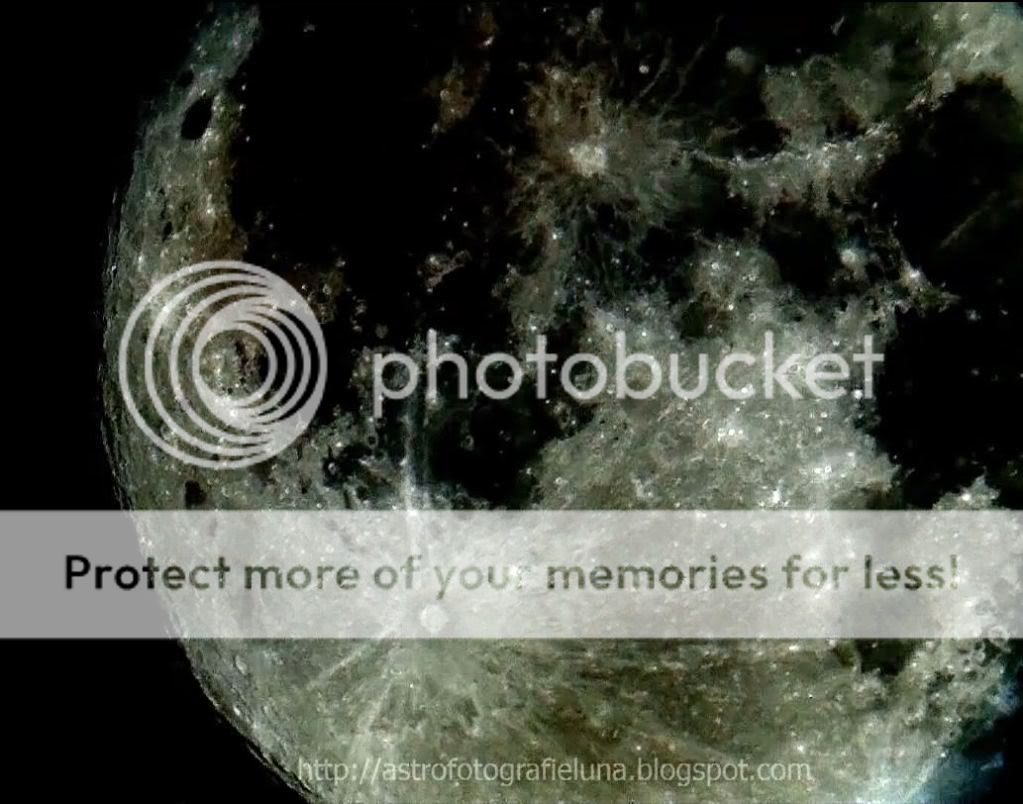
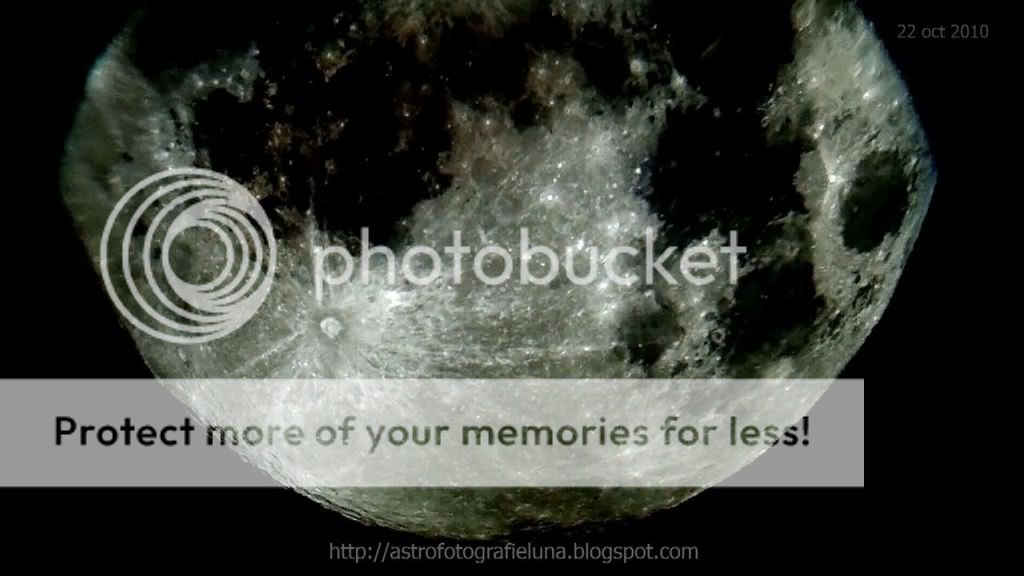
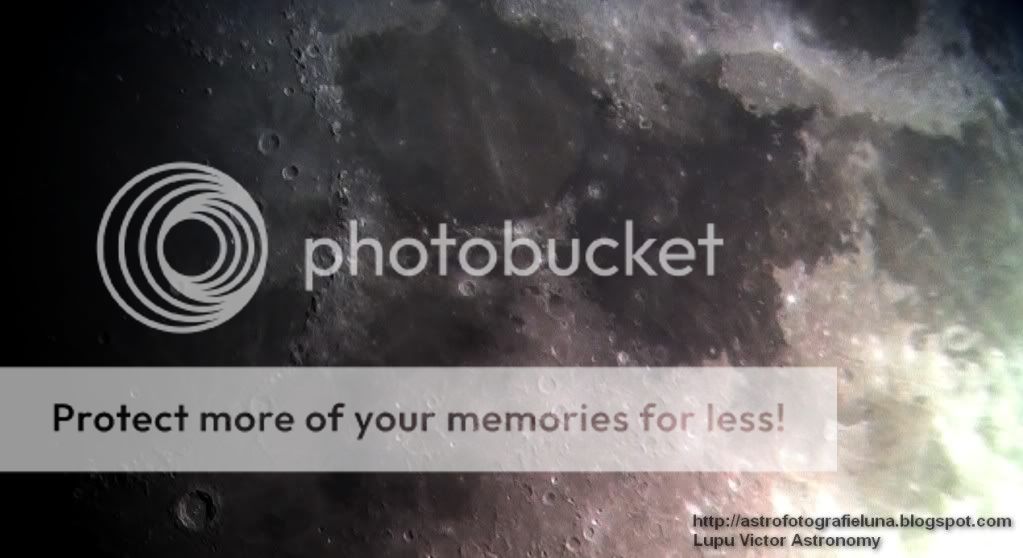
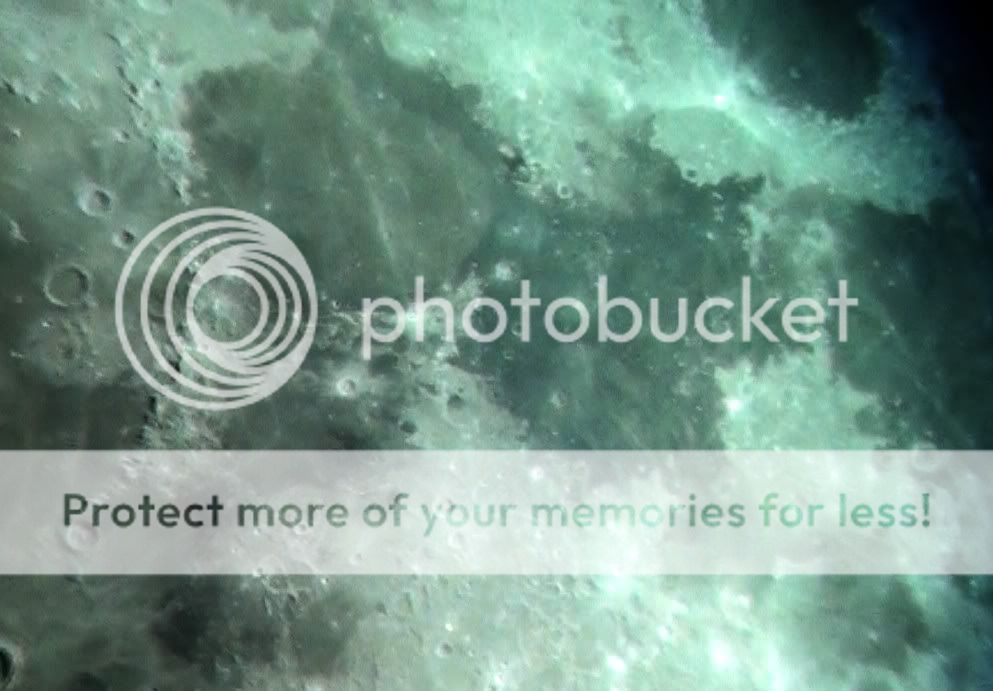
A few articles ago, I was wondering if somehow the Moon is not made of glass. To my astonishment, I found an article from QUT, that the lunar soil really contains a layer of glass and nanoparticles on it's surface, which makes me understand why in my videos through the telescope of the Moon in full light of the Sun in 2010, the Moon soil seem transparent as glass, translucent, as you would see through it, and with colours (captures of the video are below).
Marek Zbik, a scientist from Queensland University of Technology, found nanoparticles in glass bubbles of the lunar soil, which could solve the mystery of why the soil of the surface has many strange properties. Scientists have long noticed strange behavior of the lunar material, but have not realized the nano and submicron particles found in it, and their source was unknown.
Zbik said:
"Instead of gas or vapour inside the bubbles, which we would expect to find in such bubbles on Earth, the lunar glass bubbles were filled with a highly porous network of alien-looking glassy particles that span the bubbles' interior."
"It appears that the nano particles are formed inside bubbles of molten rocks when meteorites hit the lunar surface. Then they are released when the glass bubbles are pulverised by the consequent bombardment of meteorites on the moon's surface.
"This continuous pulverising of rocks on the lunar surface and constant mixing develop a type of soil which is unknown on Earth."
Zbik studied the glass bubbles without breaking them, using a new technique to study nano materials, called synchrotron-based nano tomography, to look at the particles. This technology through the microscope (Transmission X-ray Microscope (TXM), allows 3D images of nanoparticles. Example is the video below.
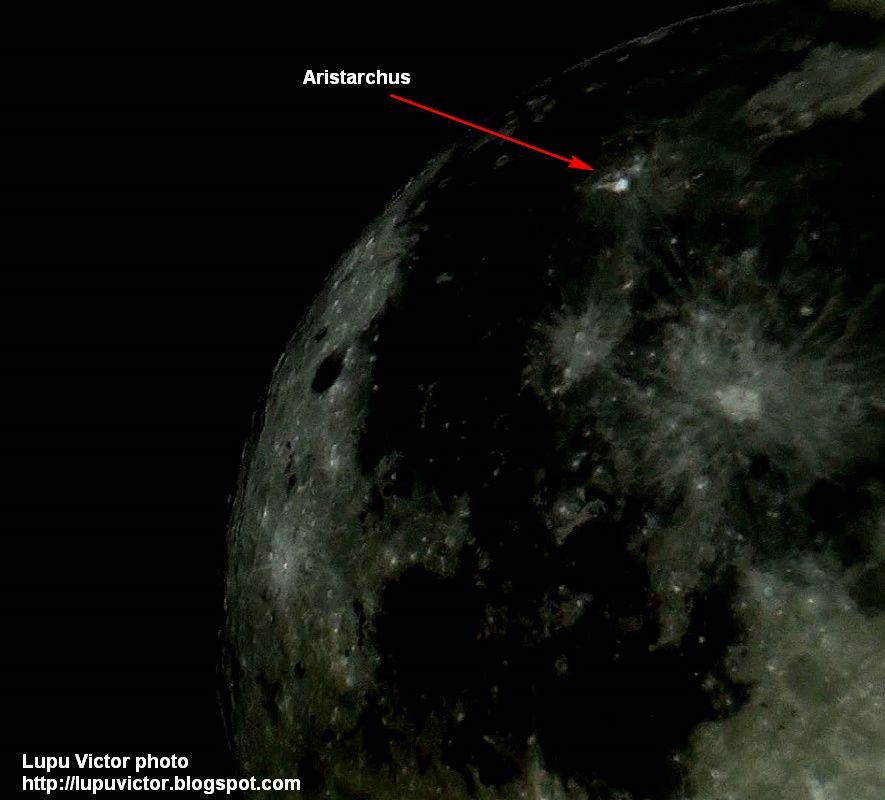
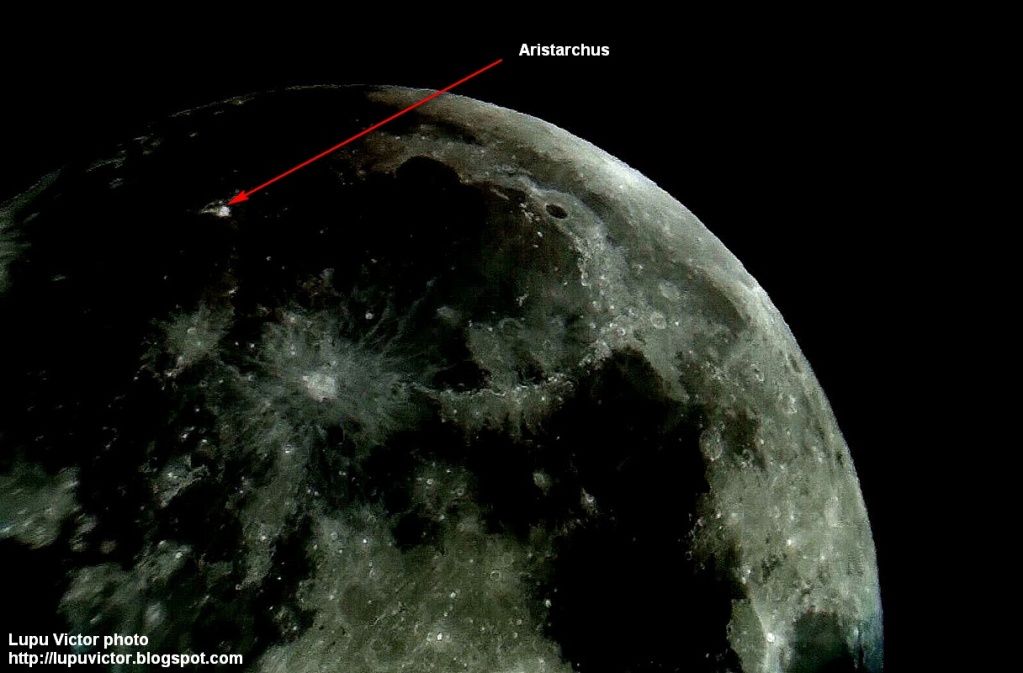
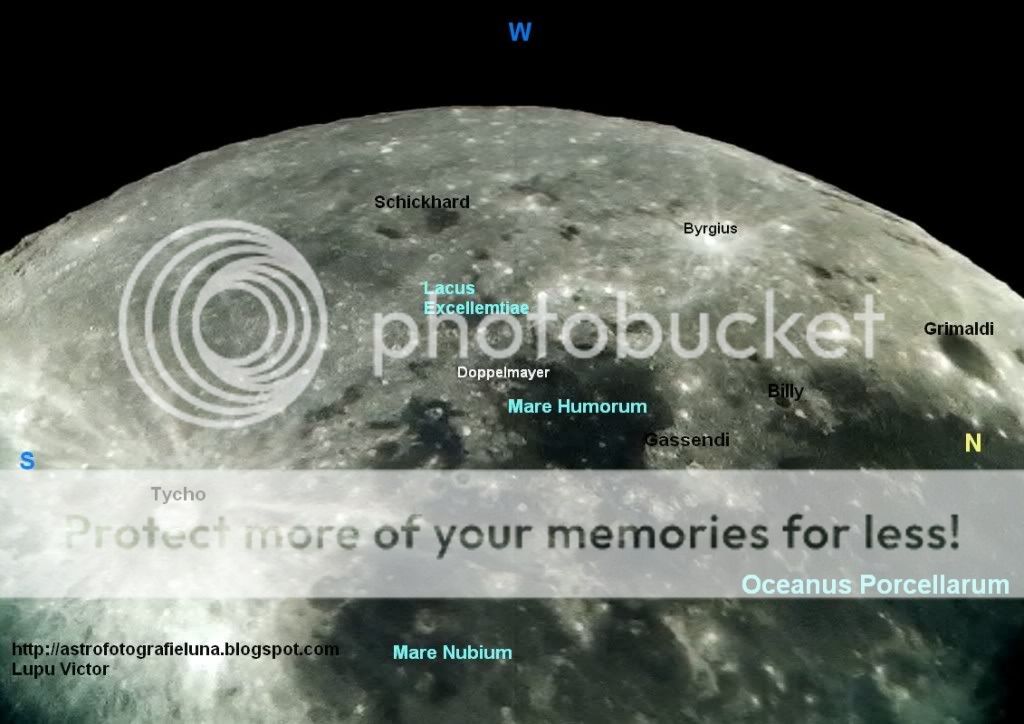
About the images below: The bright white regions in the images below, are the mountains, the Moon's highlands. I think the material of lunar soil in mountainous areas, is different than the dark areas, which are seas of lava. It is clear that the dark parts are molten lava seas that rose from within the Moon, just as water increases in a pot where you put a hose at the bottom. The highlands could not be flooded and remained on the surface.
Scientists who analyzed the Moon materials brought to Earth by astronauts, found that 50 percent of the soil is made of glass.
I wonder if the seas (mare) on the Moon would melt again, how deep would they be? And I also wonder: if those seas were not filled with lava, would the Moon have been round?
The images below are taken from the video I made in 2010. They are unique in my DVDs 'library'.


Photographer: Victor Lupu
Optics: Celestron C8-inch reflector telescope-Newtonian, plossl 20mm, 2x Barlow
Mount: CG5 (EQ5)
Camera: Sony HDR CX105
Total Magnification: 50x-100x
Filter: No
Date: 22/10/2010
Location: Baia Mare, Romania
Processing: Video Captures
Above, is the video from which I took the photos.
I think that the Moon has a strange soil, and the sunlight is reflecting stronger than if it were made of common stone. I felt that since I shot the Full Moon, but did not know why it looks so different from what I know, after I dropped gamma of the video.
Among the substances that compose the lunar soil, it contains silica, which is the primary component of sand, glass, and concrete.
The lunar material have bizarre properties because it contains glass bubbles filled with nanoparticles. Nanoparticles are released when micrometeors are crushing the glass.
A few articles ago, I was wondering if somehow the Moon is not made of glass. To my astonishment, I found an article from QUT, that the lunar soil really contains a layer of glass and nanoparticles on it's surface, which makes me understand why in my videos through the telescope of the Moon in full light of the Sun in 2010, the Moon soil seem transparent as glass, translucent, as you would see through it, and with colours (captures of the video are below).
Marek Zbik, a scientist from Queensland University of Technology, found nanoparticles in glass bubbles of the lunar soil, which could solve the mystery of why the soil of the surface has many strange properties. Scientists have long noticed strange behavior of the lunar material, but have not realized the nano and submicron particles found in it, and their source was unknown.
Zbik said:
"Instead of gas or vapour inside the bubbles, which we would expect to find in such bubbles on Earth, the lunar glass bubbles were filled with a highly porous network of alien-looking glassy particles that span the bubbles' interior."
"It appears that the nano particles are formed inside bubbles of molten rocks when meteorites hit the lunar surface. Then they are released when the glass bubbles are pulverised by the consequent bombardment of meteorites on the moon's surface.
"This continuous pulverising of rocks on the lunar surface and constant mixing develop a type of soil which is unknown on Earth."
Zbik studied the glass bubbles without breaking them, using a new technique to study nano materials, called synchrotron-based nano tomography, to look at the particles. This technology through the microscope (Transmission X-ray Microscope (TXM), allows 3D images of nanoparticles. Example is the video below.
About the images below: The bright white regions in the images below, are the mountains, the Moon's highlands. I think the material of lunar soil in mountainous areas, is different than the dark areas, which are seas of lava. It is clear that the dark parts are molten lava seas that rose from within the Moon, just as water increases in a pot where you put a hose at the bottom. The highlands could not be flooded and remained on the surface.
Scientists who analyzed the Moon materials brought to Earth by astronauts, found that 50 percent of the soil is made of glass.
I wonder if the seas (mare) on the Moon would melt again, how deep would they be? And I also wonder: if those seas were not filled with lava, would the Moon have been round?
The images below are taken from the video I made in 2010. They are unique in my DVDs 'library'.


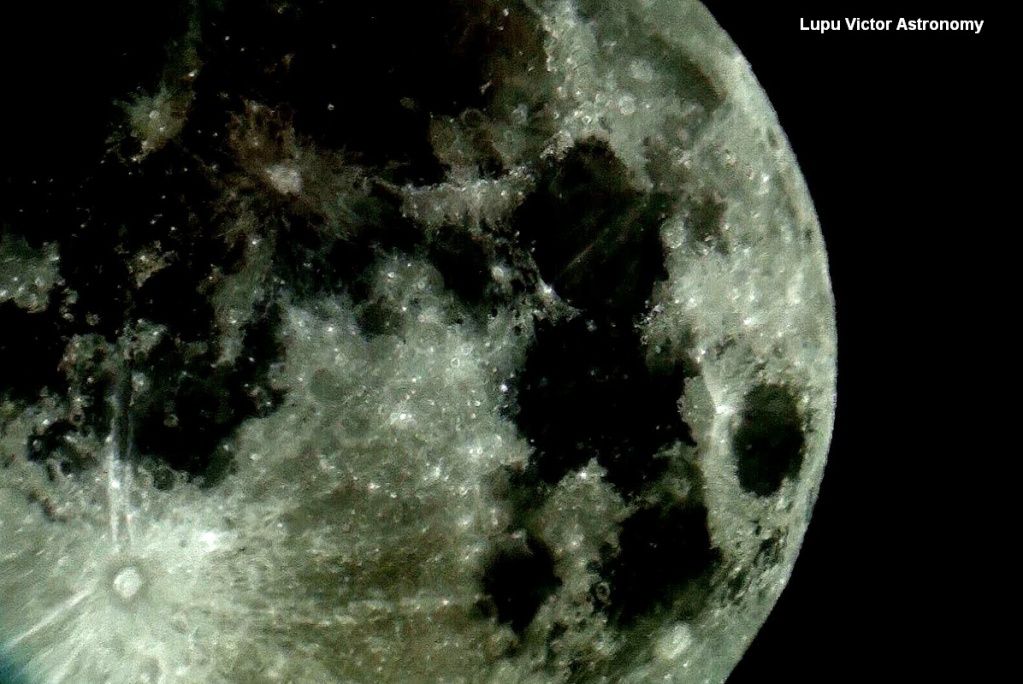


Photographer: Victor Lupu
Optics: Celestron C8-inch reflector telescope-Newtonian, plossl 20mm, 2x Barlow
Mount: CG5 (EQ5)
Camera: Sony HDR CX105
Total Magnification: 50x-100x
Filter: No
Date: 22/10/2010
Location: Baia Mare, Romania
Processing: Video Captures
Above, is the video from which I took the photos.