Visit Worldwide Topsites
Showing posts with label Craters-Theaetatus and Calippus. Show all posts

Saturday, 30 April 2016

Lunar mountains through astronomical telescope. Montes Caucasus.

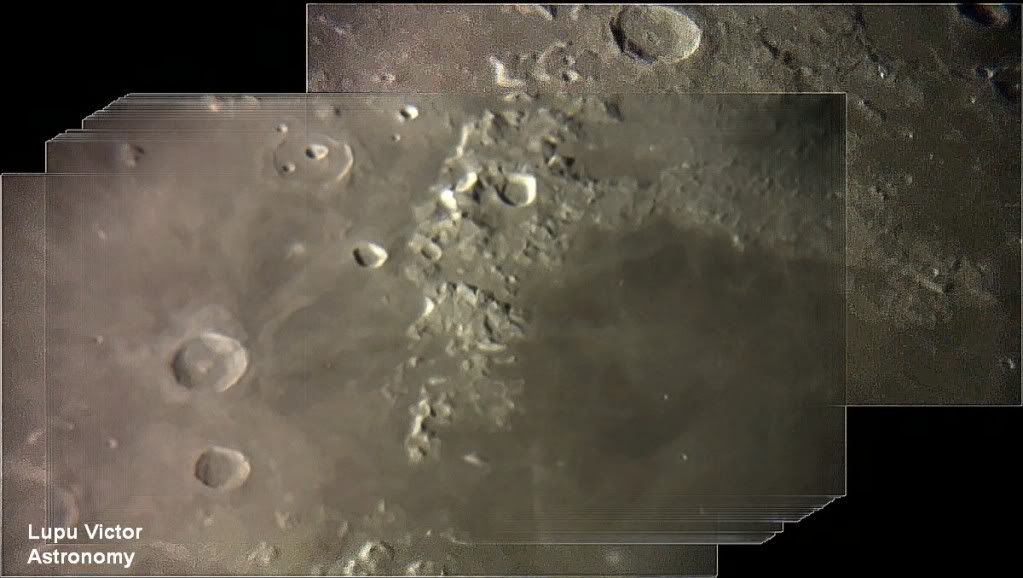
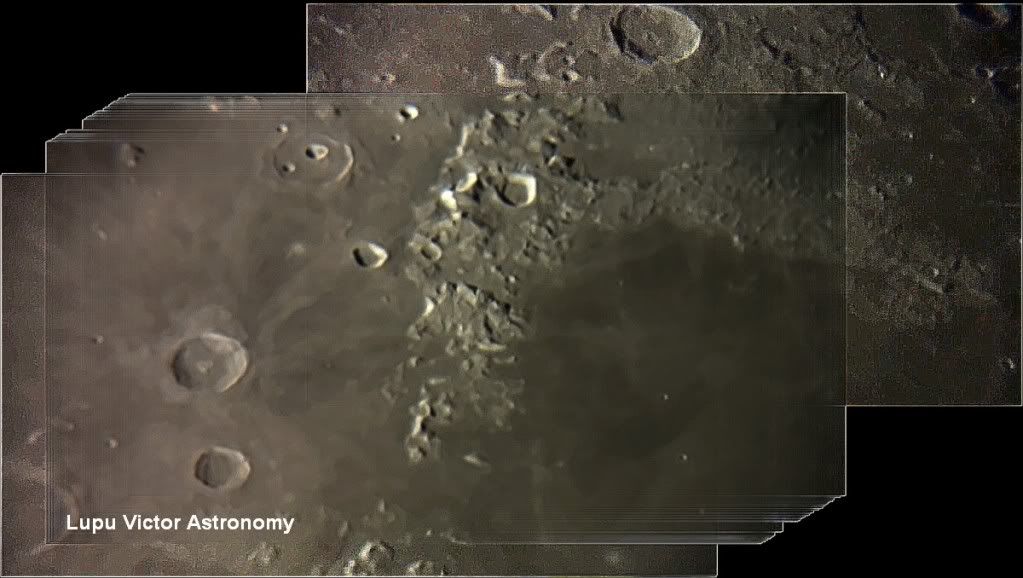
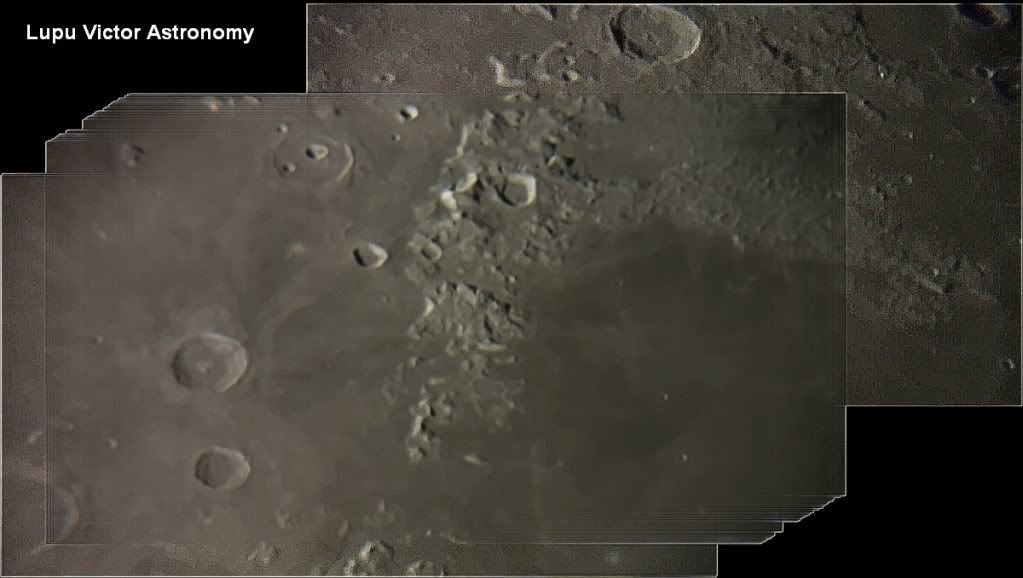
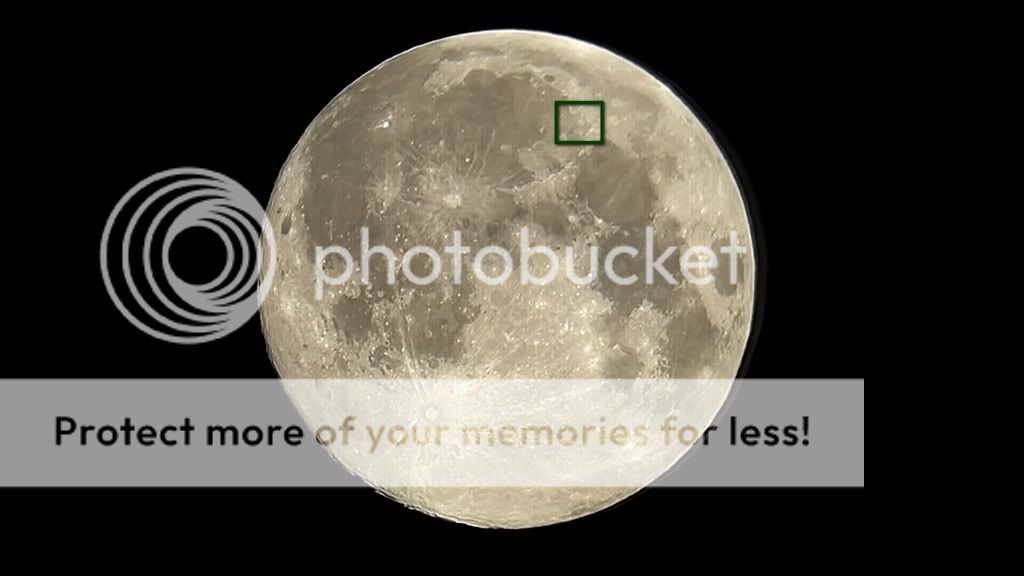
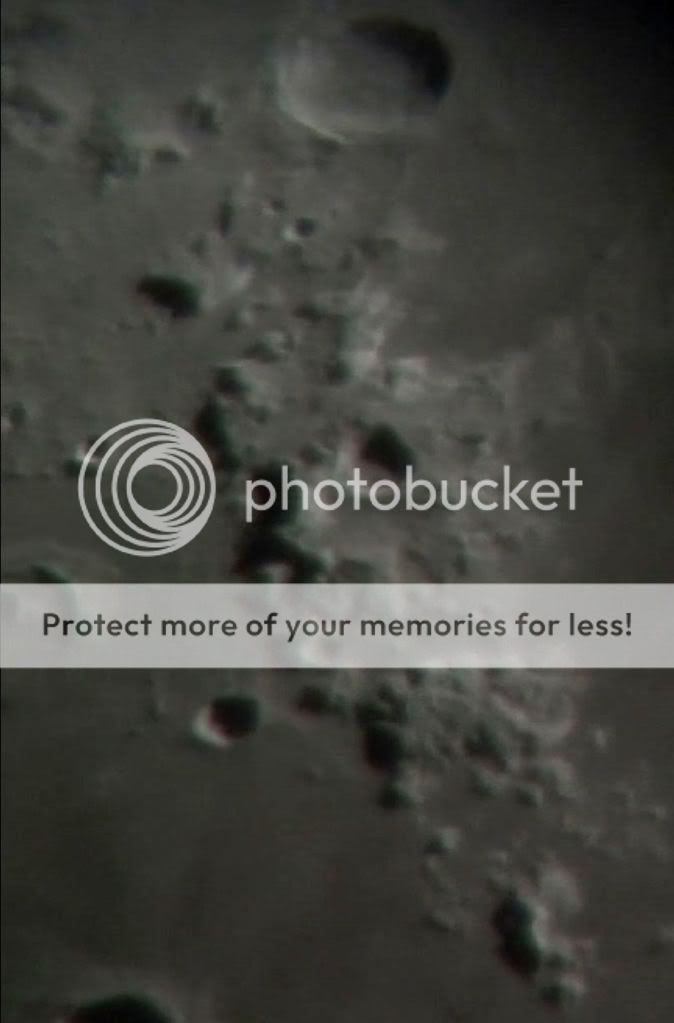
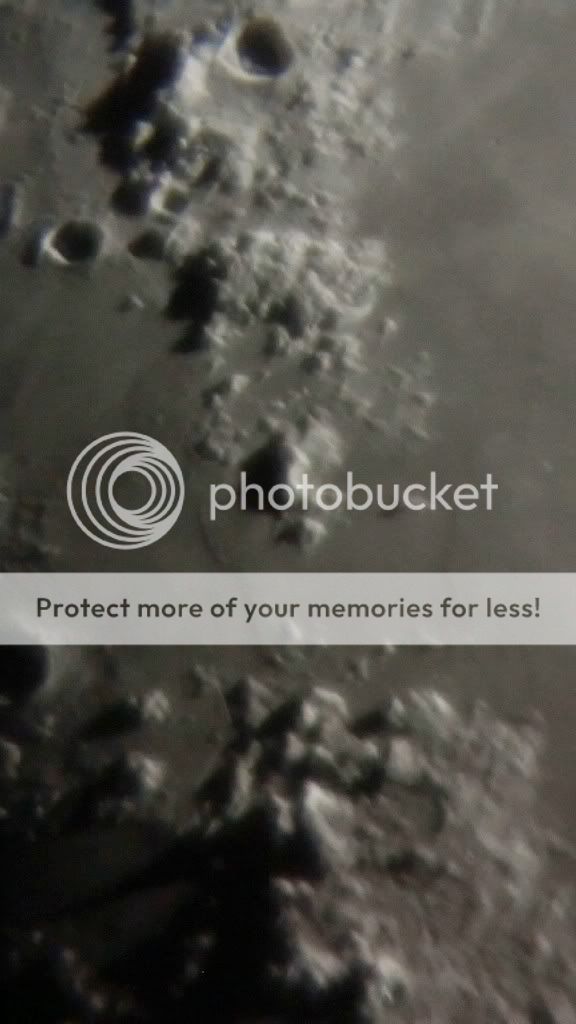
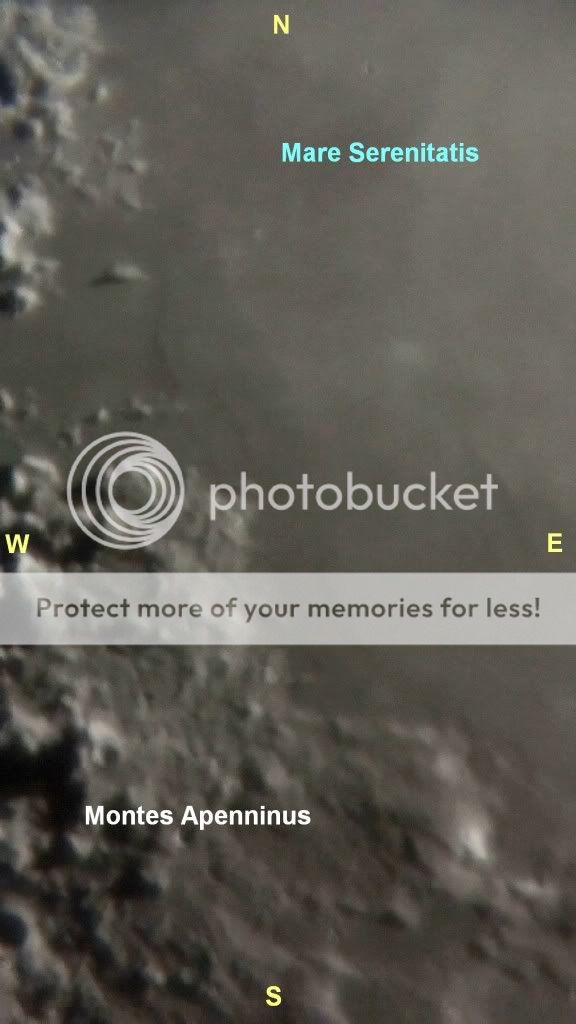
In these images we see a few mountains on the Moon, namely Montes Caucasus and northern Montes Apenninus. Since the terminator is close to this area, peaks and the shadows they produce are best seen.

Montes Caucasus start north west of the crater Eudoxus, and ends at the south, where Montes Apeninnus begin. Montes Caucasus, as Apenninus, are surrounded by two large basins, Mare Imbrium and Mare Serenitatis.

Between the Caucasus mountains, we distinguish a crater called Calippus (33 km), which at this stage we find it immersed in darkness.

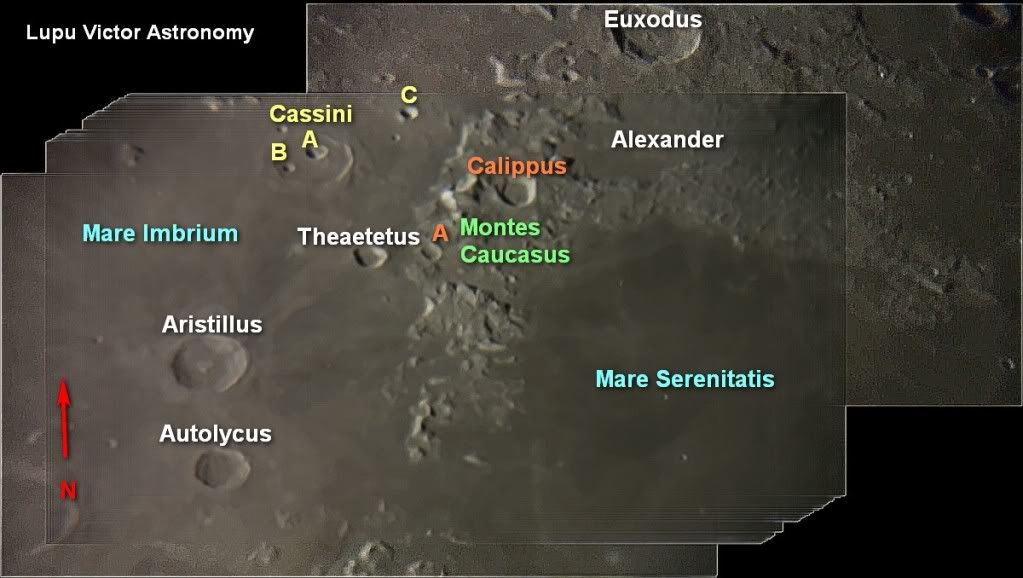
Other craters seen here are: Lamech (13 km), Egede (37 km), Cassini (57 km), Theaetetus (25 km), Alexander (82 km).


Magnitude: -10.82
Phase: 0.46
Distance: 399.283 km
Illuminated: 45.6% (0% = New, 100% = Full)


Astronomical instrument: Celestron C8-Newtonian telescope,
Eyepiece: Plossl 20mm, 2x Barlow
Mount: CG5 (EQ5)
Camera: Sony CX130
Filter: no
Date: 30.01.2012
Location: Baia Mare, Romania
Processing: FastStone Image Viewer


In the picture below are labeled craters and other lunar features in the region. To better understand this photo, you should note that the label with the name or the letter of larger craters could be found at their center, and on the small craters, you should find them around them, usually above.


Image from 10 February 2011.


Tuesday, 13 March 2012

Registax: Alexander Crater and Montes Caucasus Images through the telescope.


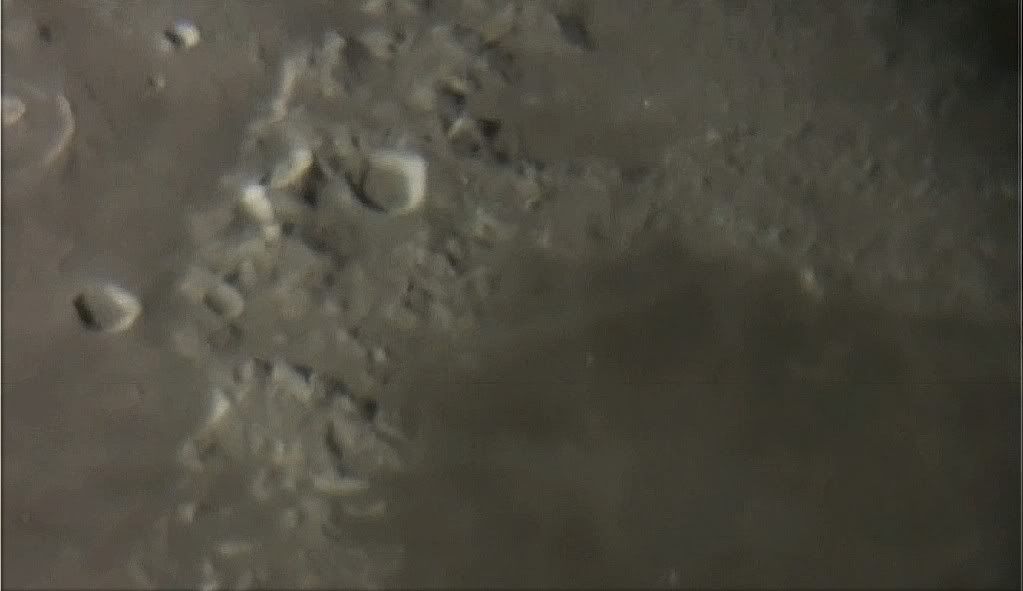
Figure 1-4: 139 frames, 90% Lowest quality
Figure 5: 2 frames, 100% Lowest quality

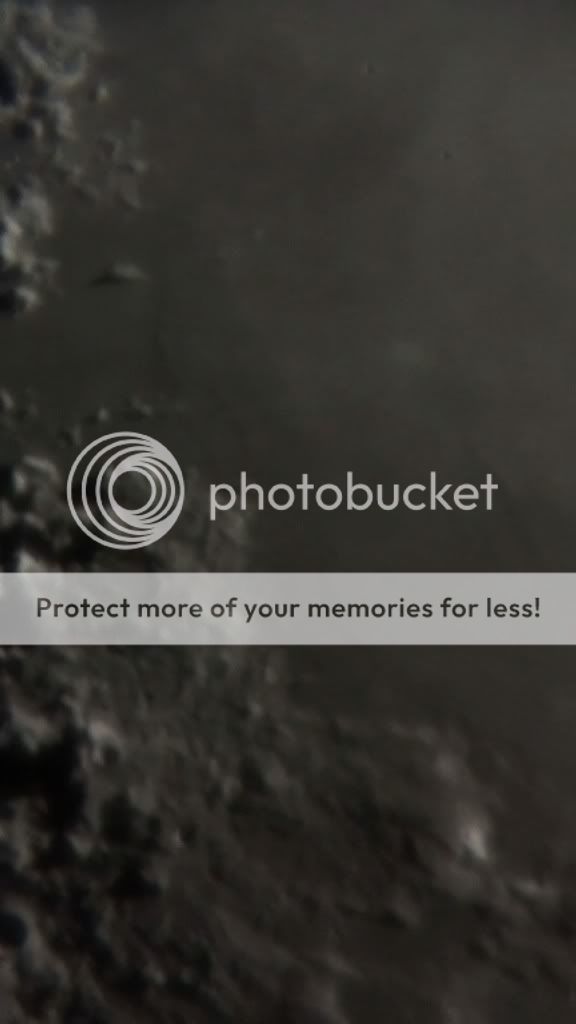
This photo shows Caucasus Mountains and nearby features. The first four are a single image, but with different processing on contrasts and sharp.

Crater I never about before, is Alexander (81 km), which actually has a shape similar to a crater, located north of Mare Serenitatis. It lies southwest of the crater Eudoxus, and north-east of Calippus.


Alexander was so badly damaged and distorted by other impacts over time, that now looks more like a region of plains, hilly land with bounded intervals. Rim segments are along the north-west, west, south, while the east is open. The walls that have survived, are almost rectangular in shape with the major mountain peaks to the northwest.
Crater floor has a darker albedo in the west, and gradually grows brighter to the east.


Photographer: Victor Lupu
Optics: Celestron C8-inch reflector telescope-Newtonian, plossl 20mm, 2x Barlow
Mount: CG5 (EQ5)
Camera: Sony HDR CX105 to 8x optical zoom
Total Magnification: 800x
Filter: No
Date: 20/07/2011
Location: Baia Mare, Romania
Processing: Registax


Wednesday, 8 June 2011

Cassini Montes Alpes and Caucasus

.
In the photos above, Vallis Alpes ,the crack in the center photo, similar to a canyon.
The first pictures above are the Montes Alpes (the Alps) with Vallis Alpes, then in the next pictures are Cassini crater and Aristillus with Autolycus.
Montes Caucasus (Caucasus Mountains), among whom is Calippus crater, and Theaetetus which is in the west of these mountains.

Photographer: Victor Lupu
Optics: Celestron C8-Newtonian reflector telescope, plossl 20mm, 2x Barlow
Mount: CG5 (EQ5)
Device: Sony HDR CX105
Filter: No
Date: 12/03/2011
Location: Baia Mare, Romania
Processing: video capture

Monday, 6 June 2011

Montes Caucasus and Theaetetus and Calippus craters

In the photos above are Montes Apenninus east side. These mountains have not escaped the impacts with other bodies from space.Between the peaks can be observed some craters.
Photographer: Victor Lupu
Optics: Celestron C8-Newtonian telescope, plossl 20mm, 2x Barlow
Mount: CG5 (EQ5)
Device: Sony CX105
Filter: No
Date: 10/02/2011
Location: Baia Mare, Romania
Processing: 10 Sony Vegas, video captures
         Montes Caucasus (Caucasus Mountains) (445 km), is a rugged mountain range located in the north-east of the Moon. It starts with a lack of surface level, in wich Mare Imbrium joins the west with Mare Serenitatis at east and extending as an irregular band to the west of the prominent crater Eudoxus. South of Montes Montes Caucasus are Montes Apenninus. The highest peaks of these mountains reach heights of 6 km, providing undoubtedly a wonderful panorama of the surrounding. Montes Caucasus were named by the German selenographer Johann H. Mädler after Earth's Caucasus mountains.

         Calippus (32 km), is a small lunar crater that is located on the eastern edge of Montes Caucasus, on the north region of the Moon. It is located southwest of the remnant crater Alexander, and north-west of Mare Serenitatis.Calippus has a depth of 2.7 km and has an irregular outer rim  with the outside edges toward the northeast and in particular west where there is an interior floor.

Theaetetus (25 km), is a Moon impact crater, located southeast of the crater Cassini and near the eastern edge of Mare Imbrium. It is also located west of the Montes Caucasus. In the southwest is the prominent crater Aristillus. Theaetetus has a depth of 2.8 km. The rim is polygonal shaped. There is a ripple outside and a slight increase in hight on the floor. The interior is relatively with no features.The name is given from Theaetetus, Theaitētos (about 417 BC - 369 BC) of Athens, son of Euphronius, which was a classic greek mathematician.

 
All images are © Copyright 2010-2015 Lupu Victor. All rights reserved.Images may not be reproduced, published, or copied in any form without written permission of the author. Thank you for respecting the intellectual property rights. ASTROFOTOGRAFIA | Lupu Victor Astronomy - Contact - About
Design by Free WordPress Themes | Bloggerized by Lasantha - Premium Blogger Themes | Online Project management