Visit Worldwide Topsites
Showing posts with label Palus Somni. Show all posts

Tuesday, 10 April 2012

Lunar images through the telescope Proclus and Macrobius craters


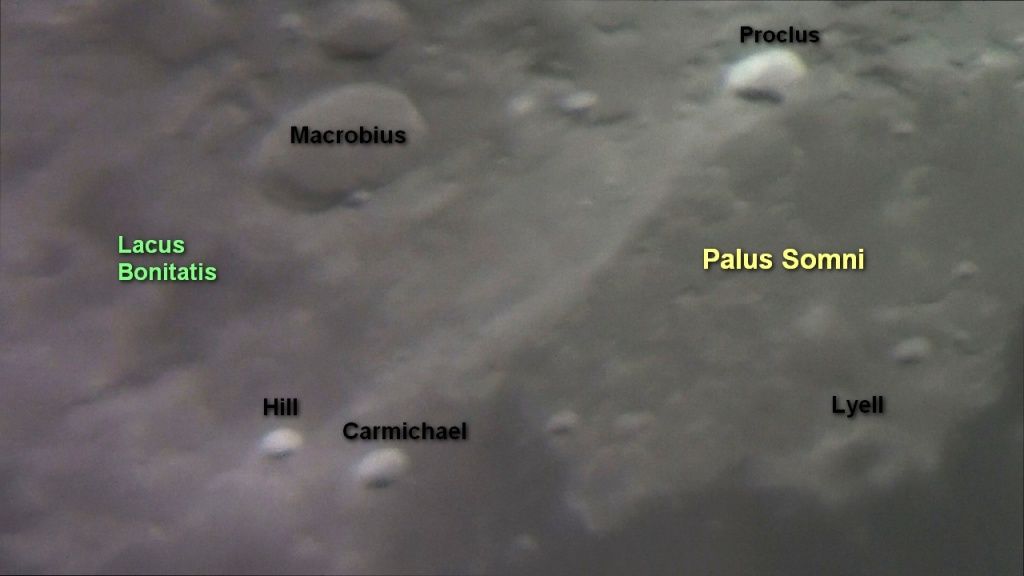
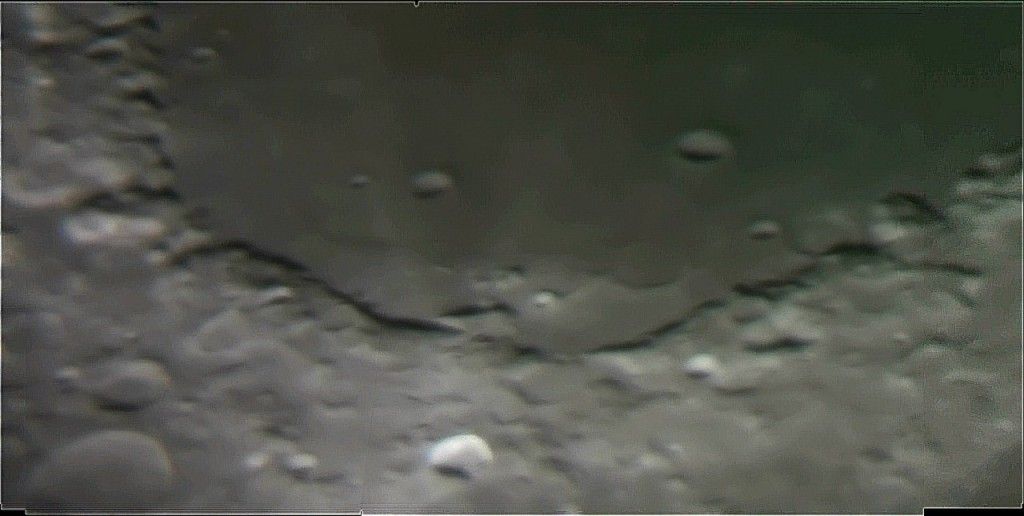
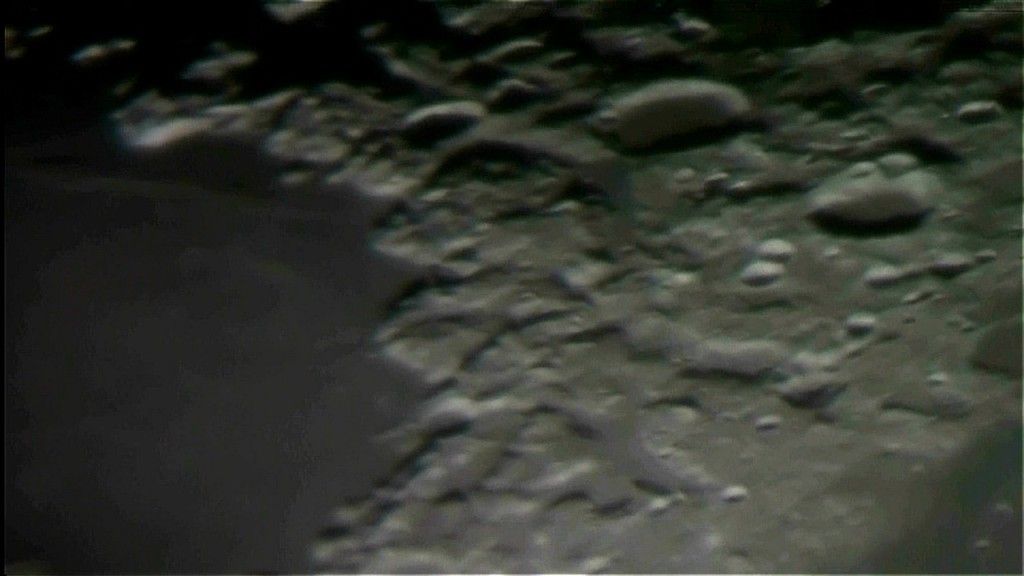
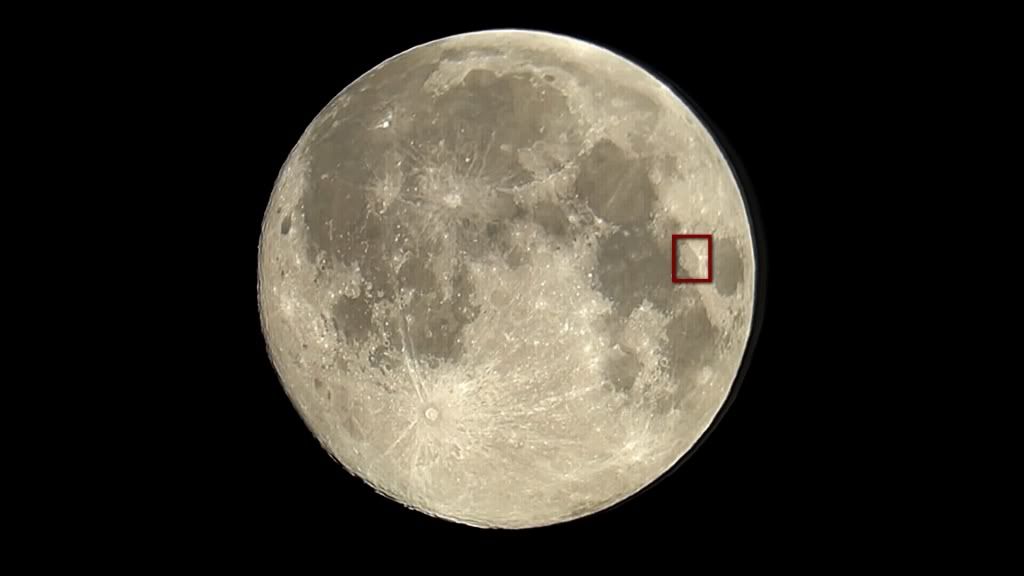
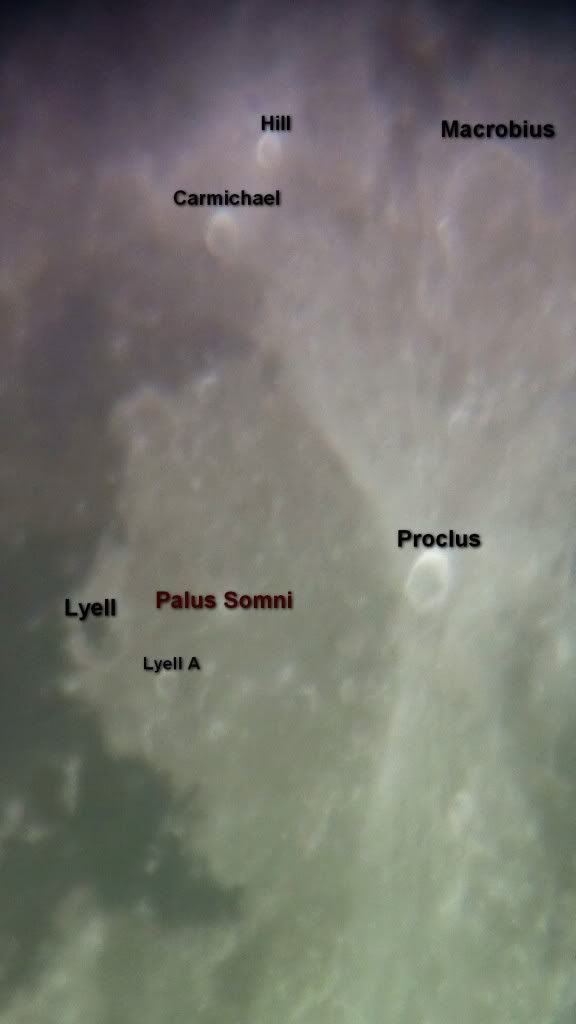
The images through the telescope in this article, are craters located to the east of the Moon. In the first picture is seen almost entirely, Palus Somni, wich is the open stretch of land that is located west of Mare Crisium. Over Palus Somni, is visible in this photo a stripe whiter than the surrounding land, and is actually the ejection that remained after the impact that formed the crater Proclus.
Other craters in these pictures are: Macrobius, Carmichael, Hill and Lyell.


Photographer: Victor Lupu
Optics: Celestron C8-Newtonian telescope, plossl 20mm, 2x Barlow
Mount: CG5 (EQ5)
Device: Sony CX105 to 8x optical zoom
Total Magnification: 800x
Filter: no
Date: 08/16/2011
Location: Baia Mare, Romania
Processing: video captures, FastStone Image Viewer


Friday, 6 January 2012

Astronomy lecture.Western Mare Crisium.Pictures by telescope


These captures of western Crisium sea through the telescope, are presented in another article: Video by astronomical telescope-near Western Mare Crisium.
There are many present craters on this large area, and I will only talk about features that were not discussed before.

We start with Burkhardt crater (57 km), which is located between craters Geminus (86 km), on north, and Cleomedes on south.
Burckhardt is located on two slightly smaller-sized craters on the opposite sides, producing a triple crater formation. Burckhardt E (39 km), is covered by the southwest quadrant of Burckhardt's, while Burckhardt F (43 km), is covered by the northwest quadrant. Crater rim is circular, but somewhat irregular in shape. There is a central peak near the midpoint of the crater floor.

Stucked in the western edge of the crater Cleomedes, is Tralles, and to the east of Cleomedes is the crater Delmotte (32 km), a small crater, whose characteristics are difficult to see because of its position.

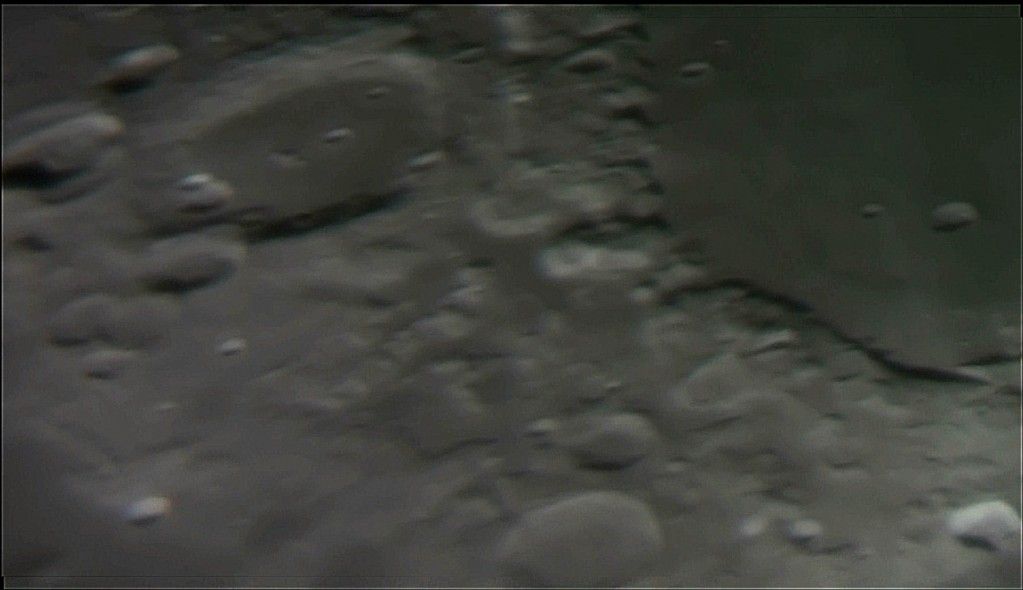
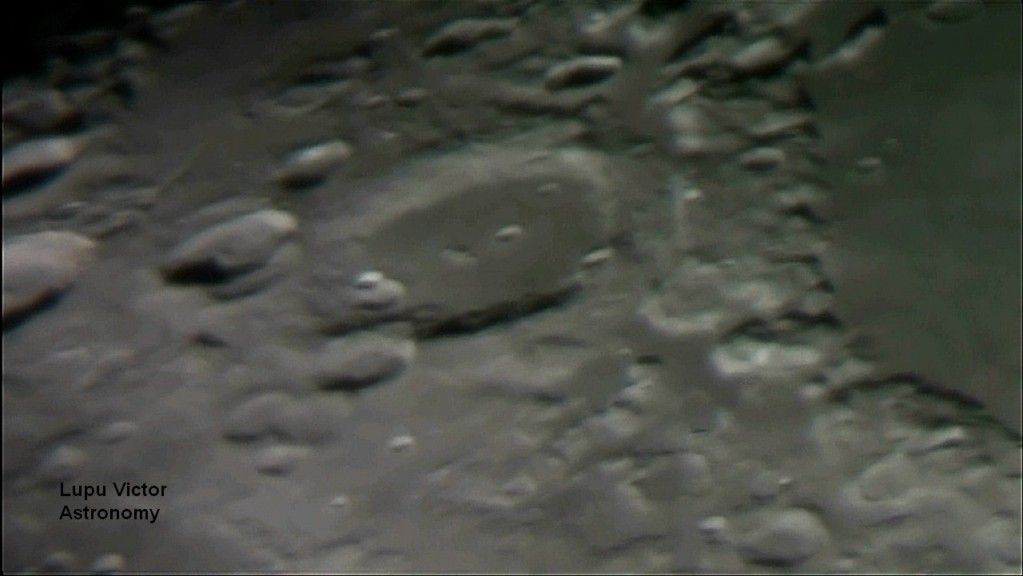
Continue to the next photo description below, are craters Macrobius and Tisserand, 64 and 37 km, crater ray Proclus (28 km), and west of Proclus is Palus Somni , an area of 143 km,.

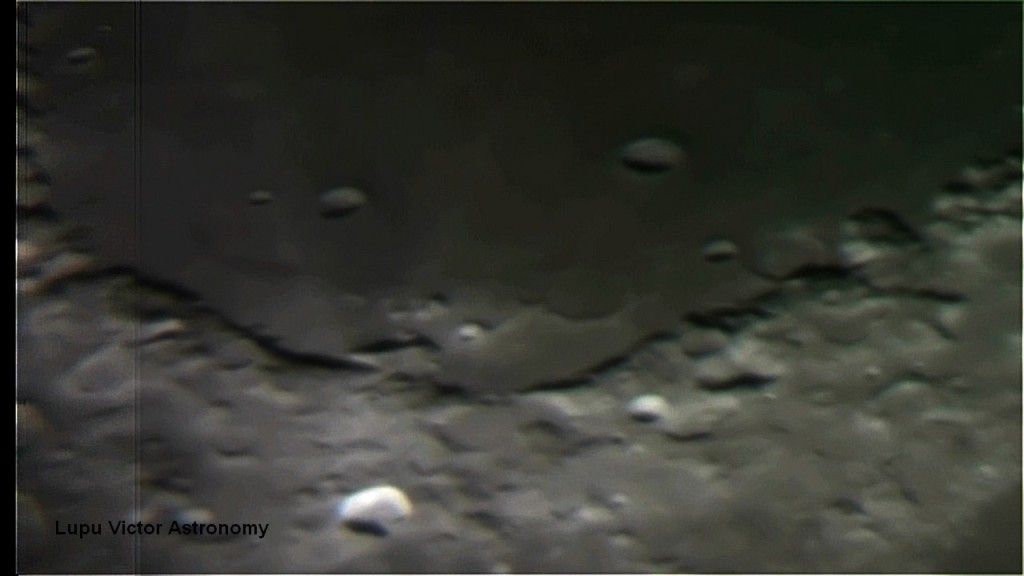
In the third picture below, there are many small craters on the surface of the sea, but also on its edge.
Peirce crater (19 km) with Picard (23 km), are those who are most "into the sea" of Crisium.
Picard's interior has a series of terraces, which seismologists have attributed to a collapse of the crater floor. The lowest point of the crater floor is about 2000 meters below its rim, and has a small hill in the center.

Other craters located further to the edge of the sea are Yerkes (36 km), Lick (31 km), Greaves (14 km), and Glaisher crater (16 km).

Yerkes crater (36 km), it seems interesting, because its inside was almost completely flooded by lava, leaving only a shallow remnant edge above the seaand the edge is the most visible in west. The floor has a similar albedo with the large Crisium sea, so Yerkes's features are not distinct by surroundings.

About craters Firmicus (56 km) and Apollonius (53 km), I will speak in another article dedicated to them.


Photographer: Victor Lupu
Optics: Celestron C8-Newtonian telescope, plossl 20mm, 2x Barlow
Mount: CG5 (EQ5)
Device: Sony CX105 to 8x optical zoom
Total Magnification: 800x
Filter: no
Date: 08/16/2011
Location: Baia Mare, Romania

Processing: video capture, FastStone Image Viewer


Above are images processed in Registax.

Wednesday, 5 October 2011

Crater Proclus and Palus Somni in light-telescope images

Photographer: Victor Lupu
Optics: Celestron C8-Newtonian telescope, plossl 20mm, 2x Barlow
Mount: CG5 (EQ5)
Device: Sony CX105
Filter: No
Date: 12/05/2011
Location: Baia Mare, Romania
Processing: FastStone, video captures

         Proclus (28 km), is a young impact crater located to the west of Mare Crisium, on the eastern shore of the Palus Somni (143 km). It lies south of Macrobius crater, 64 km, and northwest of the flooded crater by lava, Yerkes. Between Proclus and Yerkes, on the sea, are Lavinium and Olivium.


Proclus's edge is distinct polygonal shaped, the shape of a pentagon, and is not very high compared to surrounding terrain. This crater has a high albedo, the second after Aristarchus. The floor is uneven, with some small elevation.

The crater has a ray system that extends over a distance of 600 kilometers, and has an asymmetrical shape, with the largest rays in the northwest and northeast. Southwest is an arc caused by the impact. These features suggest an oblique impact.

Palus Somni, is an area of land which is unevenly along the northeastern edge of Mare Tranquillitatis and Sinus Concordiae.

 
All images are © Copyright 2010-2015 Lupu Victor. All rights reserved.Images may not be reproduced, published, or copied in any form without written permission of the author. Thank you for respecting the intellectual property rights. ASTROFOTOGRAFIA | Lupu Victor Astronomy - Contact - About
Design by Free WordPress Themes | Bloggerized by Lasantha - Premium Blogger Themes | Online Project management