Visit Worldwide Topsites
Showing posts sorted by relevance for query Aestatis. Sort by date Show all posts

Saturday, 28 January 2012

Lakes on the Moon: Lacus Palus Sinus Geology of the Moon. Astronomy lecture


           Sinus Iridum of the moon. Photo: Victor Lupu, January 17, 2011.

Latin word "lacus" means "opening hole, pool, lake," and was also the word for a public water supply point of distribution in ancient Rome.

This is a list of Lakes (singular sea) from the Moon. This includes also lacus, palus and sinus. The modern system of nomenclature was introduced in 1651 by Riccioli. Riccioli's map of the Moon was made by Francesco Maria Grimaldi, who has a crater named after him.


Moon lakes (lacus):

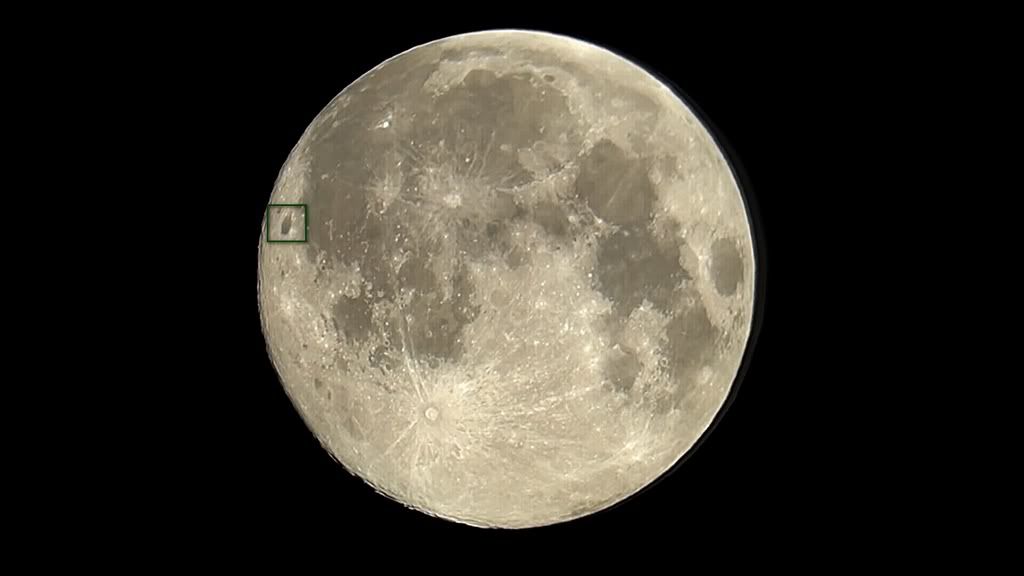
Lacus Aestatis - or "Summer Lake", 90 km in diameter located near the western edge of the Moon.
Lacus Autumn - "Autumn Lake", 183 km, is located near the western edge of the Moon.
Lacus Bonitatis - "Good Lake" 92 km, is located northwest of the crater Macrobius.
Lacus Doloris - "Lake of Sorrow", 110 km, is situated in the Terra Nivium region.
Lacus Excellentiae - "Lake of Excellence" 184 km, is an irregular Moon lake south of the Moon.
Lacus Felicitatis "Lake of happiness" 90 km, is a small lake that was flooded by lava flows.
Lacus Gaudii - "Lake of delight" 113 km, located in Terra Nivium region.
Lacus Hiemalis - "Winter Lake" 50 km, located in Terra Nivium region.
Lacus Lenitatis - "Lake of sensitivity", 80 km, located in Terra Nivium region.
Lacus Mortis - "Lake of Death", 151 km, is a basalt lava lake on the north-east of the Moon.
Lacus Odii - "Lake of hatred" 70 km, located in Terra Nivium region.
Lacus Perseverantiae - "Lake perseverance" 70 km north-west crater Firmicus.
Lacus Solitudinis - "Lake of loneliness" 139 km, is located on the far side of the Moon.
Lacus Somniorum - "Lake of Dreams" 384 km, located in the north-east of the Moon.
Lacus Spei - "Lake of Hope" 80 km, located in the north-east of the Moon, to south-west of Schumacher.
Lacus Temporis "Lake of time" 117 km, is located in the northeast quadrant of the Moon.
Lacus Timoris "Lake of fear" 117 km, is a lake of the moon discovered in 1976.


Bays (Sinus) and swamps, marshes (Palus) on the Moon:

Palus Epidemiarum "Marsh of epidemic" of 286 km
Palus Putredinis "Marsh of decay" of 161 km
Palus Somni "Marsh of  sleep" of 143 km
Sinus Aestuum "Bay of Waves",  290 km
Sinus Amoris "Bay of Love", 130 km
Sinus Asperitatis "Bay of harshness" of 206 km
Sinus Concordiae "Bay of harmony", 142 km
Sinus Fidei "Bay of faith", 70 km
Sinus Honoris "Bay of honor" of 109 km
Sinus Iridium (Iridum) "Bay of Rainbows", 236 km
Sinus Lunicus "Bay of lunaik", the 126 km
Sinus Medii "Bay of center" by 335 km
Sinus Roris "Bay of Dew" of 202 km
Sinus Successus "Bay of success" of 132 km.


For those who like my astro pictures or my articles, it woul be great if you could pay attention on advertising that appear in the blog by a click and maybe one day I could buy a better telescope.

Friday, 13 January 2012

Astronomical telescope images. Grimaldi crater area in light.


In these astronomical photos by telescope is Grimaldi crater. It is the largest dark stain. These captured images from the wastern part of the Moon to terminal, are in sunlight, so it's all about dark spots and bright spots, not shadows.

According to the arrangement of pictures from top to bottom, Grimaldi gradually makes its appearance in the foreground. This crater has the appearance of a sea rather then a crater.

All features seen in this area have an oval shape because their positions on the Moon, but most are circular.

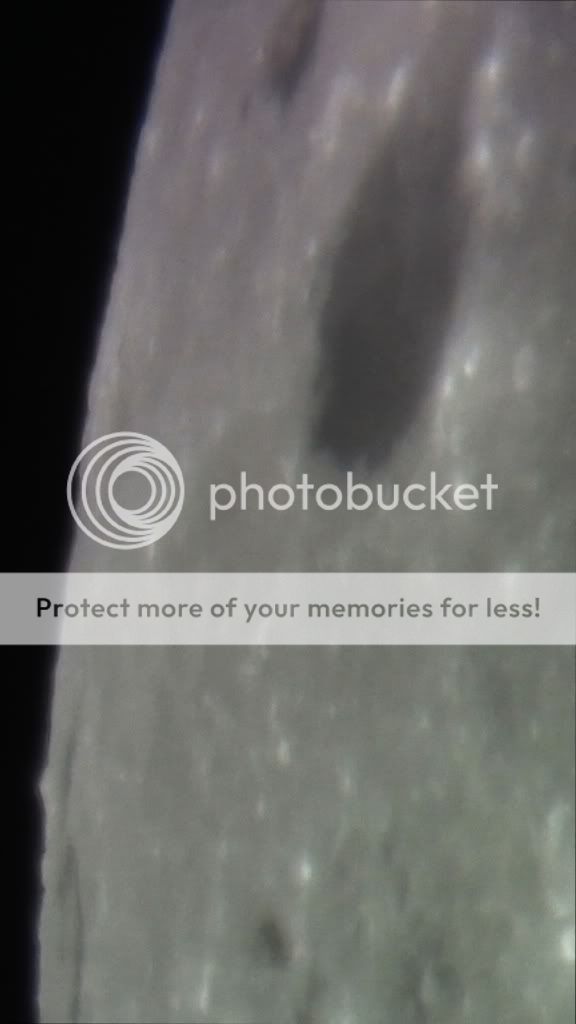
The other dark spot on the northwest of Grimaldi, is Riccioli Rima. A few miles south of Grimaldi, is Crüger crater (45 km). The most distinctive feature of this crater is the very dark floor, which is a crater with the lowest albedo features on the Moon. Lacus Aestatis (90 km) or "Lake of summer", is located northwest of Crüger.


Photographer: Victor Lupu
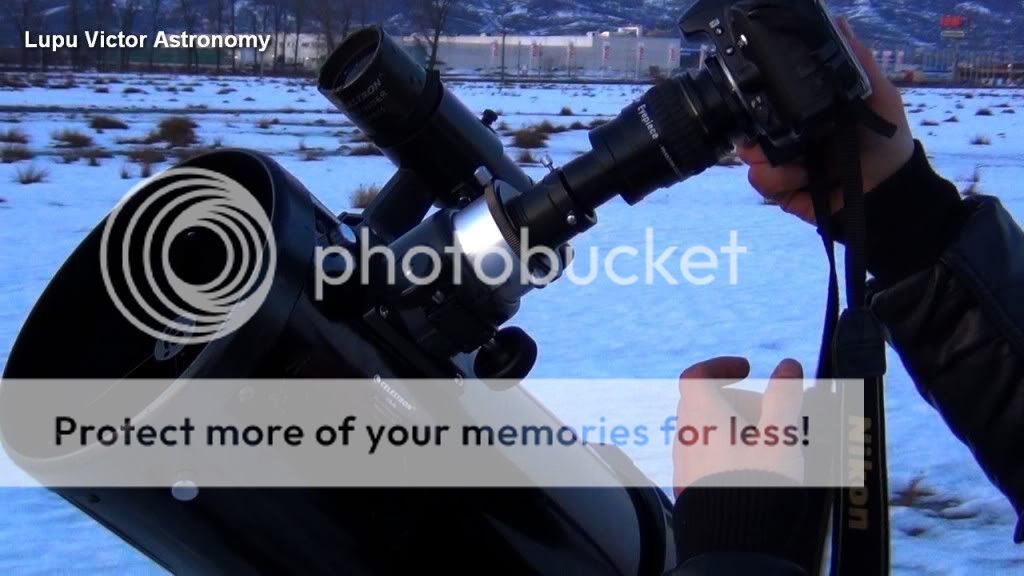
Optics: Celestron C8-Newtonian telescope, plossl 20mm, 2x Barlow
Mount: CG5 (EQ5)
Device: Sony CX105 to 6x optical zoom
Total Magnification: 600x
Filter: no
Date: 08/16/2011
Location: Baia Mare, Romania
Processing: video capture, FastStone Image Viewer


Sunday, 19 February 2012

List of west features of the Moon. astronomy lecture

                 Photo made ​​in November 2010


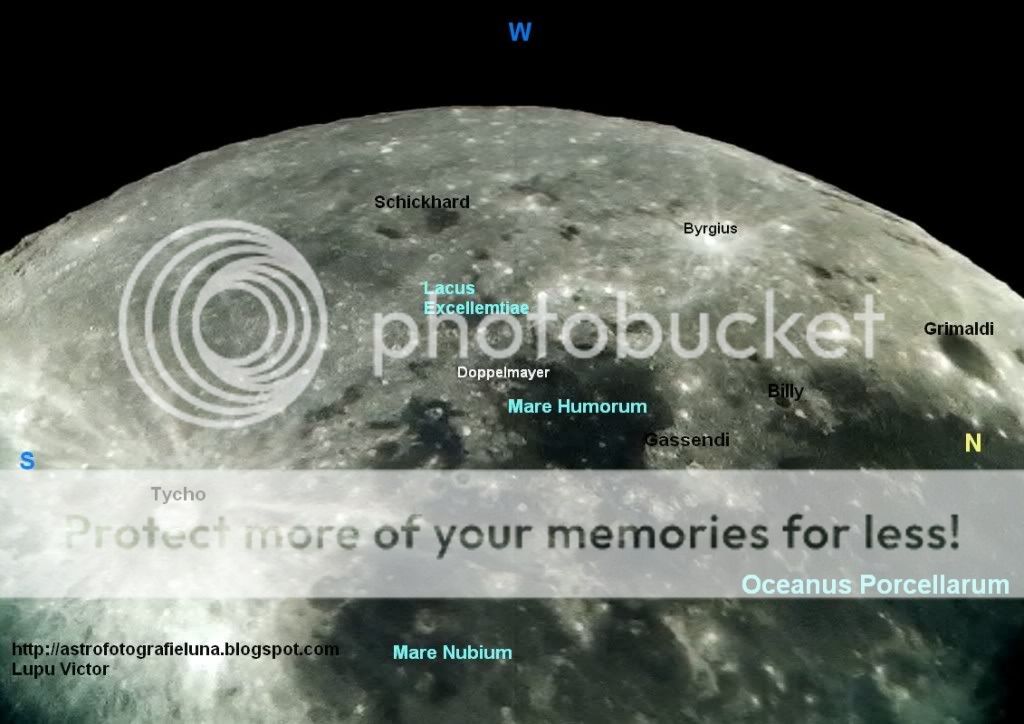
     West of the Moon seen from Earth, we see always the same for the Moon always keeps the same face toward us and never turns his back. It is a large area occupied by Oceanus Procellarum. To the west of the mare, distinct craters are: Grimaldi, who is seen as a dark spot in comparison with the surrounding land, when it is full Moon, Schickard, Gassendi, located on the Mare Humorum, and Byrgius that despite being a relatively small crater, 87 km, shows white rays starting at it, for distances over 400 km.

Oceanus Procellarum is the most extensive and interesting feature of the western part of the Moon. This large area covers almost all the West. On the west, mountains of the Moon are not large.

Results of the links may not have the title features you are looking for, but in the content of those articles, those features are presented.

Craters of the Moon's western area.

Agatharchides
Angstrom
Aristarchus

Aston
Bailly

Bessarion
Bettinus

Billy
Brayley
Briggs
Bullialdus

Byrgius
Campanus
Capuanus

Cardanus
Cavelerius
Cavendish

Cichus
Clausius
Cruger
Damoiseau
Damey
Darwin
De Vico
Diophantus
Doppelmayer
Drebbel
Dunthome
Eddington
Encke
Euclides

Euler
Flamsteed

Fontana
Fourier

Fra Mauro
Freres
Galilaei
Gasparis
Gassendi

Grimaldi
Hainzel
Hansteen
Herigonius
Henry
Hermann
Herodotus

Hevelius
Hippalus
Inghirami
Kepler
Kies
Kircher

Konig
Krafft
Krieger
Kuiper
Kunowsky

Lacroix
Lagrange
Lamarck

Lansberg

Lavoisier
Lee

Lepaute
Letrone
Liebig
Lohrmann
Lubiniezky
Maestlin
Marius
Mee
Mercator

Mersenius
Milichius
Noggerath

Nasmyth
Nielsen
Palmieri
Phocylides
Piazzi
Prinz
Ramsden
Reiner Gamma
Reinhold
Riccioli
Rocca
Russell
Schiaparelli
Schickard
Seleucus
Sirsalis
Struve

T. Mayer
Ulugbek
Vaisala
Vieta
Vitello
Wargentin
Wichmann
Withrop
Wollaston
Zucchius

Zupus

Seas of the Moon's western area.

Mare Cognitum
Mare Humorum
Mare Imbrium
Mare Insularum
Oceanus Procellarum


Mountains of the Moon's western area.

Montes Agricola
Montes Harbinger
Montes Riphaeus

Mons Delisle
Mons Vinogradov


Other forms of relief in the west area of the Moon.

Palus Epidemiarum
Lacus Aestatis
Lacus Excellentiae
Vallis Inghirami
Vallis Schroteri


Space missions on the east side of the Moon.

Luna 7 (1965) Soviet Union- because of loss of control of altitude, crashed on the moon with a high velocity.
Luna 8 (1965) Soviet Union- collapsed on the lunar surface due to a faulty parachute.
Luna 9 (1966) Soviet Union- successfully sent nine images of the lunar surface, including five panoramas.
Luna 13 (1966) Soviet Union- Soviet spacecraft was the second that has successfully reached the lunar surface.

Surveyor 1 (1966) USA- was the first U.S. spacecraft that managed to land safely on the Moon.

Surveyor 2 (1966) USA- during stability maneuver, an engine has not ignited, and crashed on the Moon.

Apollo 12 USA- (EVA). On November 19, 1969, Apollo 12 crew performed a landing on the lunar surface landing a few hundred meters from the crater Surveyor. The main purpose of the mission was to collect pieces of the Surveyor III ship that landed in the crater, 31 months earlier.

SMART-1 (2006) - Europe. After exhaustion of fuel, SMART-1 was deliberately crashed into the lunar surface near the Lacus Excelentiae. The impact was visible from Earth, in North and South America.


Video: Victor Lupu
Optics: CelestronC8 "-Newtonian telescope, plossl20mm, 2x Barlow
Mount: CG5 (EQ5)
Device: SonyCX105 at 7x optical zoom
Total Magnification: 700x
Filter: no
Date: 20/07/2011
Location: Baia Mare, Romania
Processing and editing: Sony Vegas 10


To see the photographic map of the west area of the moon, view: Photographic map of the Moon: West Zone. Lunar Atlas.


All images are © Copyright 2010-2015 Lupu Victor. All rights reserved.Images may not be reproduced, published, or copied in any form without written permission of the author. Thank you for respecting the intellectual property rights. ASTROFOTOGRAFIA | Lupu Victor Astronomy - Contact - About
Design by Free WordPress Themes | Bloggerized by Lasantha - Premium Blogger Themes | Online Project management